

Patron Saint of Musicians and Music
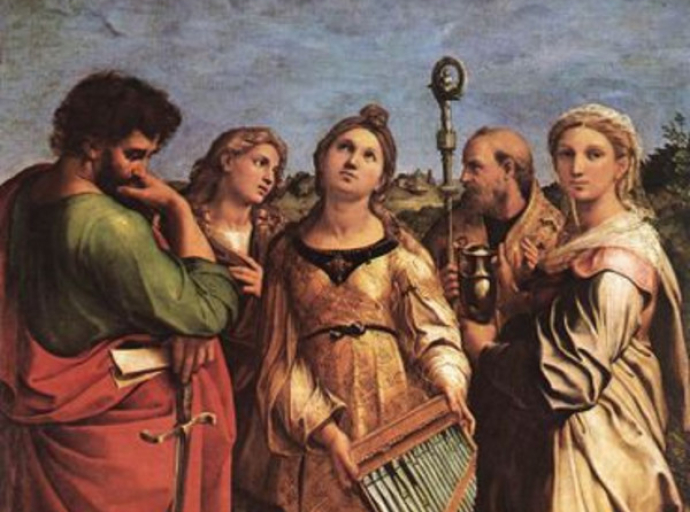
Saint Cecilia, Patron Saint of music and musicians, luthiers and other musical instrument makers, was born to a noble Roman family at the beginning of the third century.
Patron Saint of Musicians and Music
Saint Cecilia, Patron Saint of music and musicians, luthiers and other musical instrument makers, was born to a noble Roman family at the beginning of the third century.
The new Temple, more glorious than the one of stone
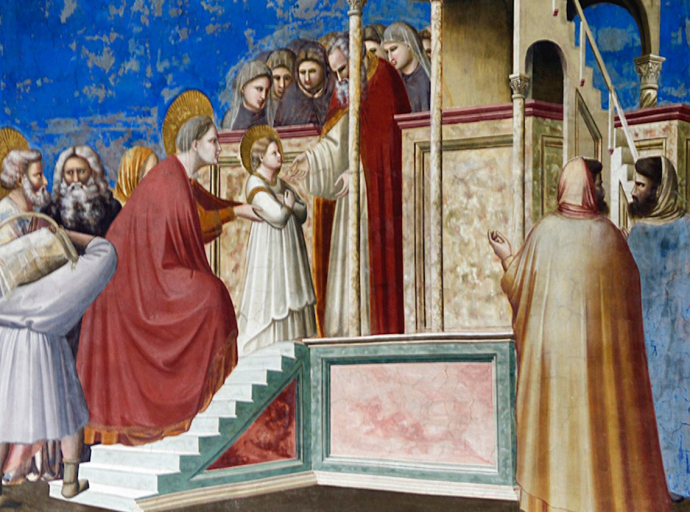
The liturgical memorial of 21 November, dedicated to the Presentation of the Blessed Virgin Mary, has its roots not in the canonical texts but in ancient Christian traditions preserved in the apocryphal Gospels. In those pages, the early communities looked to Mary, contemplating her as she grew in familiarity with God, so that the Church too might learn from her how to prepare for the coming of the Lord.
A model of a just and faithful ruler
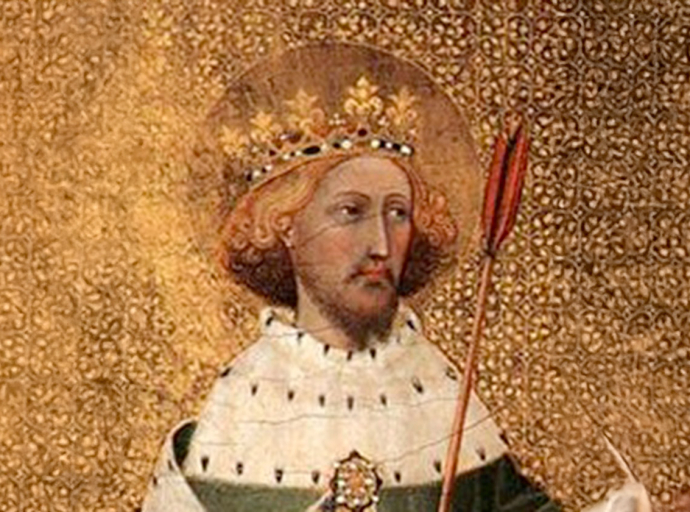
Saint Edmund holds a special place in Christian memory as a courageous sovereign and an unshakeable witness to the faith. His story unfolds in the 9th century, when still very young, he became ruler over East Anglia, an English region shaken by the tensions and violence brought by Norse incursions.
The Nightingale of God
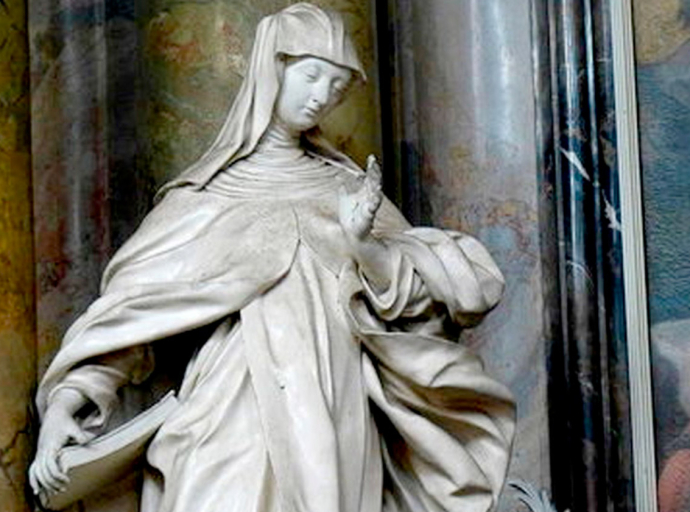
Among the brightest figures of the monastery of Helfta in the 13th century stands Mechthild of Hackeborn, a woman of extraordinary spirituality and a distinctive voice in medieval mysticism. Her fellow nun, Gertrude the Great, in the sixth book of the Liber specialis gratiae—a work collecting the divine revelations received by Mechthild—acknowledges that what was written represents only a small portion of what the Saint actually experienced.
In the Footsteps of Saint Martin of Tours
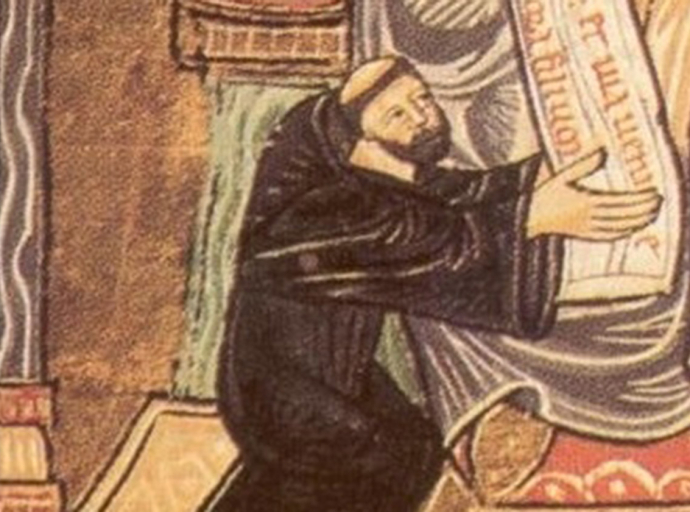
The figure of Saint Odo stands within the vast panorama of medieval monasticism, that era in which the Benedictine ideal spread to such an extent that it gave rise, throughout Europe, to a dense constellation of monasteries. These centers of prayer and culture contributed to shaping the spiritual identity of the continent.
Following in the footsteps of Saint Francis of Assisi
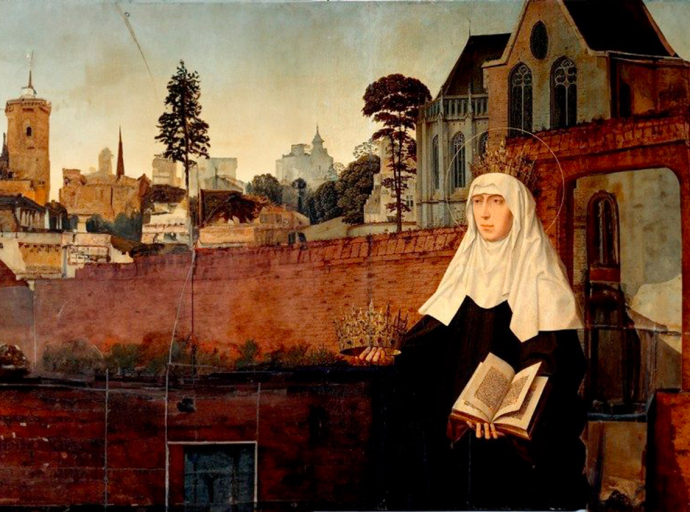
Elizabeth, born in 1207 in Hungary into a royal family and destined for marriage to the ruler of Thuringia, lived in the same years as Francis of Assisi. From a young age, she showed a natural inclination toward those who suffered and were in need—an inclination further strengthened through her contact with the Friars Minor, especially Brother Rüdiger, her first spiritual advisor, and later Brother Conrad. They merely helped direct, in an evangelical sense, a heart already inclined toward the most vulnerable.
A point of reference for religious vocations
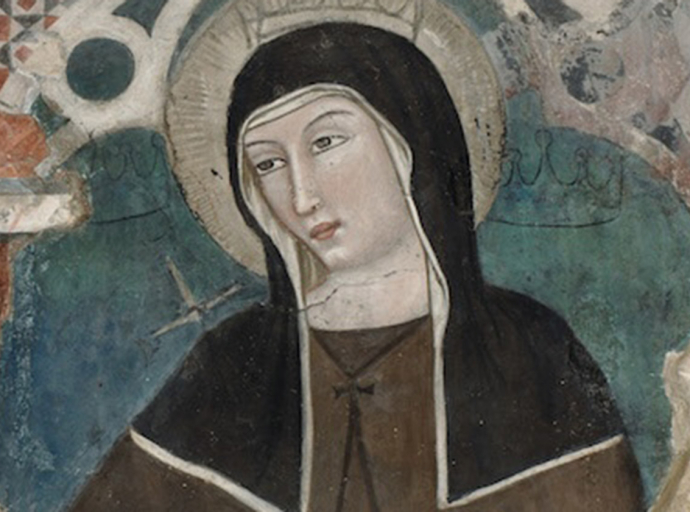
Caterina di Favarone, a member of the Offreduccio family and younger sister of Clare of Assisi, was born in the Umbrian city in 1197. Before she had even turned sixteen, she felt the desire to follow her elder sister’s example, choosing a life shaped by evangelical poverty and the Franciscan way.
The teacher of Saint Thomas Aquinas
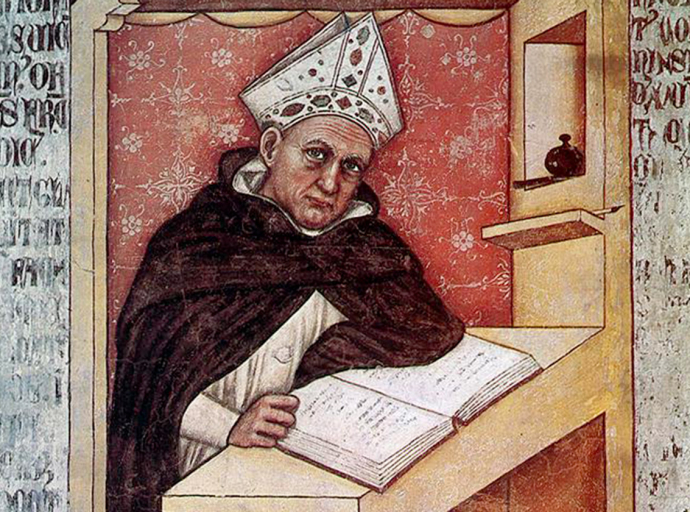
Albrecht von Bollstädt, better known as Albert the Great, was a Bishop, a philosopher, a theologian, a naturalist, a chemist and the teacher of Saint Thomas Aquinas. He was highly educated, especially in natural sciences, and wrote a Summa Theologiae that became the model for Aquinas’ own celebrated, Summa Theologiae.
A Promoter of Unity and Loyalty to the Pope
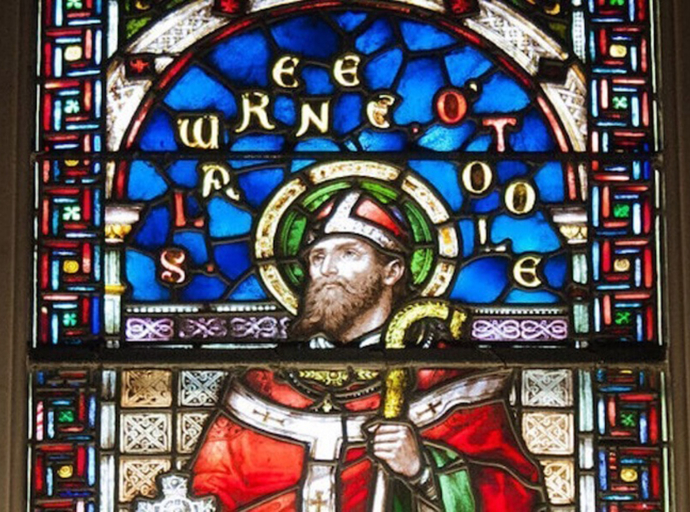
A model of courage, holiness, and commitment to justice and unity: this is the example offered by Laurence O’Toole (Lorcan Ua Tuathail), born in Castledermot, County Kildare, in 1128 into an Irish noble family.
The Holy Nurse
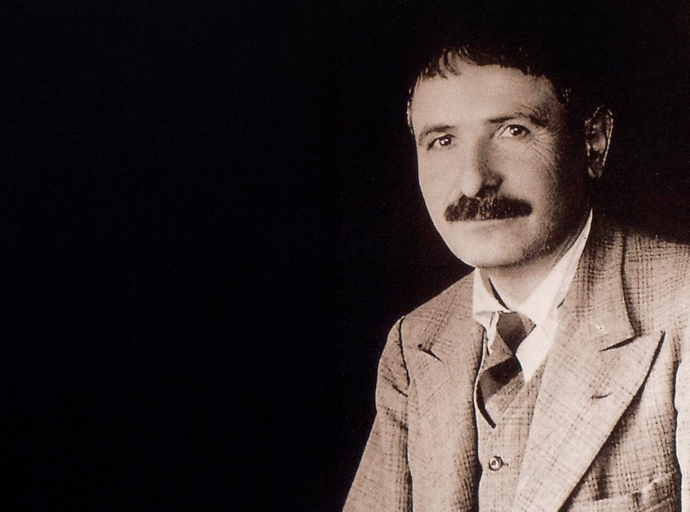
Artemide Zatti was born in Boretto, Italy, in the province of Reggio Emilia, on 12 October 1880. From an early age he had to face the hardships of life; at just nine years old he was already working as a farm laborer to earn a living. Because of poverty, his family emigrated in 1897 to Argentina, settling in Bahía Blanca.