Archive

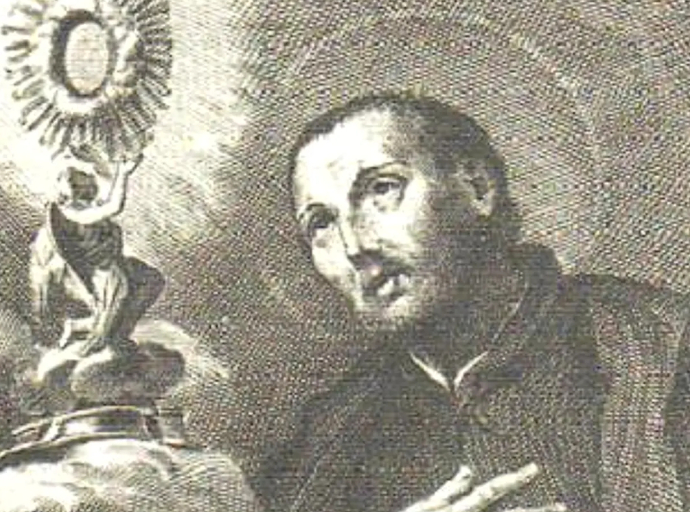
June 4: Saint Francis Caracciolo

The Saint of the Eucharist

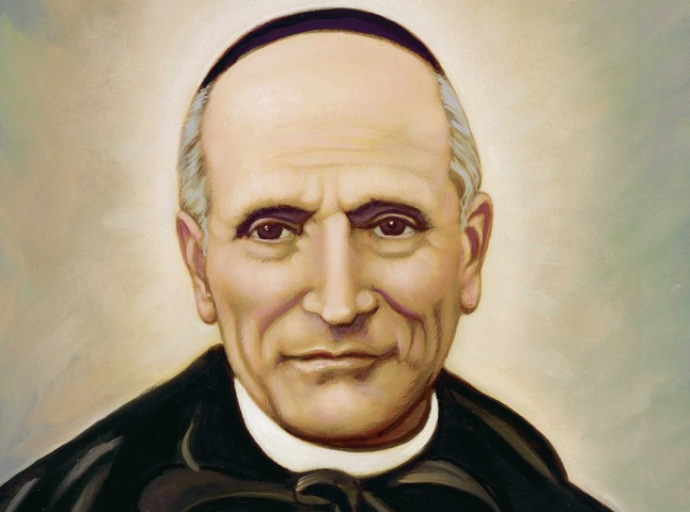
He is considered one of the promoters of perpetual adoration of the Blessed Sacrament and one of the Eucharistic Saints par excellence. This is Saint Francis Caracciolo, born Ascanio, son of Ferrante of the noble Caracciolo family and Isabella, in Villa Santa Maria on October 13, 1563. Educated according to his noble status, at the age of twenty-two he was struck by a form of elephantiasis.
June 4: Saint Francis Caracciolo

June 3: Saint John Grande

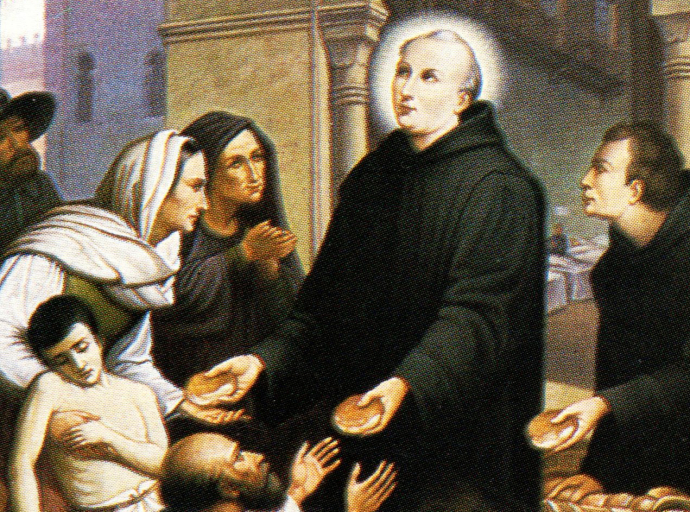
Devoted entirely to the sick and the poor

He called himself “John the Sinner.” He gathered abandoned sick people, begged alms for the poor, and died while practicing charity toward plague victims, from whom he contracted the disease himself. He is Saint John Grande, born in Carmona, Seville, Spain, on March 6, 1546. His father, a blacksmith, died when he was eleven years old, and his mother Isabel remarried.

June 3: Saint John Grande

June 2: Saint Erasmus, Bishop

Martyr of Christ

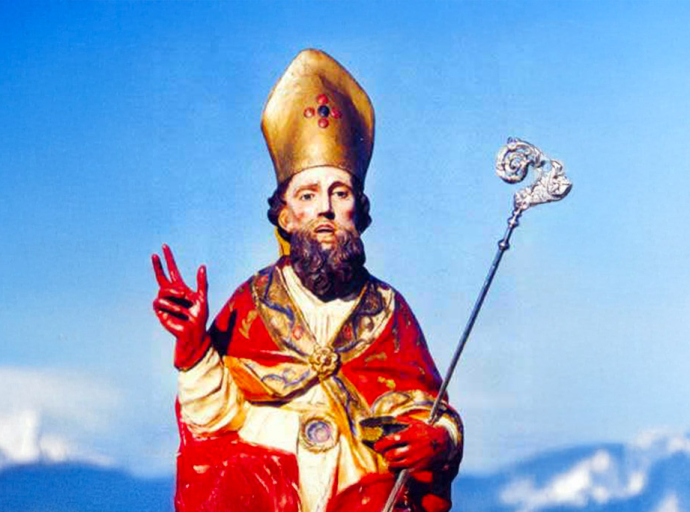
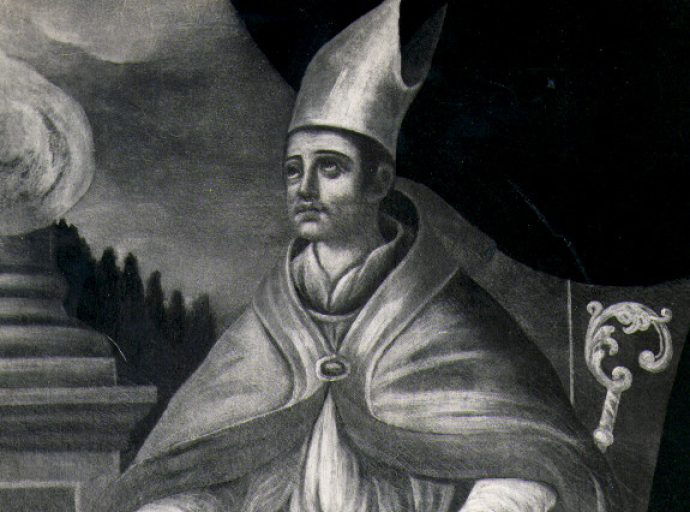
Information about the life of Saint Erasmus is scarce and derives from a Passio dating back to the 6th century. His date of birth is unknown. According to tradition, Erasmus was Bishop of Antioch. When persecutions against Christians broke out, he hid for seven years in a cave. Discovered and arrested, he was thrown into prison for refusing to sacrifice to the pagan gods.

June 2: Saint Erasmus, Bishop

June 1: Saint Hannibal Mary Di Francia

The “Rogate” Invitation for Vocations

“Rogate”: the discovery of the necessity of prayer for vocations, according to the Gospel — “The harvest is plentiful, but the laborers are few. Therefore pray [Rogate] the Master of the harvest to send out laborers into His harvest” (Mt 9:38; Lk 10:2) — is the essence of the charism of Saint Hannibal Mary Di Francia. The premature death of his father also led him to develop a special tenderness and loving care toward orphans.

June 1: Saint Hannibal Mary Di Francia

May 31: Saint Felix of Nicosia

The humble friar who begged alms for the poor

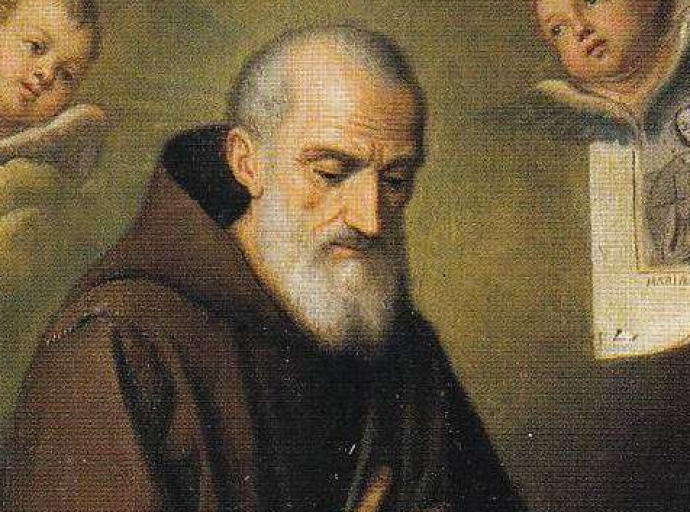
An illiterate, simple, and humble Franciscan friar, he asked the rich for alms in order to distribute them to the poor. For forty years, he walked through the streets of his town, proclaiming the Gospel through both word and example.

May 31: Saint Felix of Nicosia

May 30: Saint Joan of Arc

Obedient to the voice of God

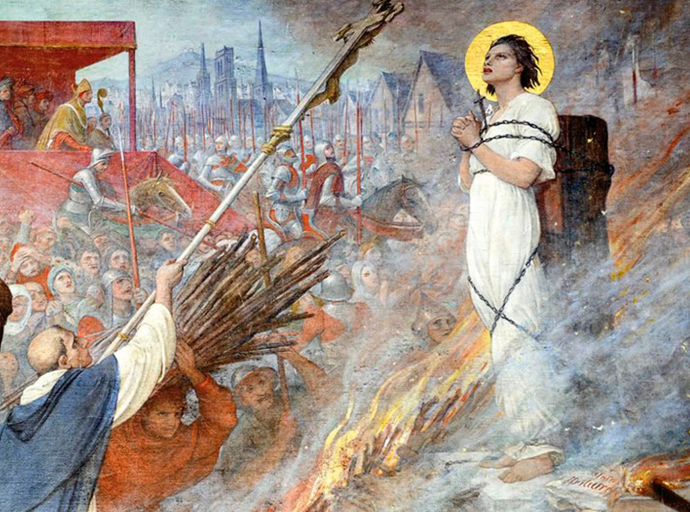
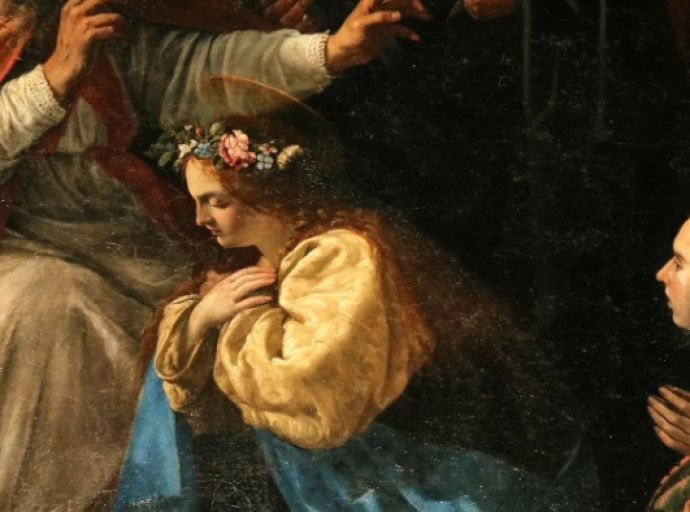
A “strong” woman who followed the impulse of the Spirit and obeyed the voice of the Lord asking her to free her people and to restore faith for those in desolation. A laywoman, consecrated to virginity yet not cloistered, Joan of Arc was involved in the most dramatic conflicts of the Church and society of the time.

May 30: Saint Joan of Arc

May 29: Saint Bona of Pisa

The pilgrim in search of God

She made pilgrimage to Santiago de Compostela no fewer than nine times and spent ten years in the Holy Land. She became a hermit and later an oblate, eventually becoming a spiritual point of reference for the entire city. Her name was Bona.

May 29: Saint Bona of Pisa

May 28: Saint Emilio, martyr

Emilio - martyred like St. Stephen

There is no certain information about the life of Emilio. Tradition places him as having lived around the 1st century and having been Bishop of Cagliari on the island of Sardinia.

May 28: Saint Emilio, martyr

May 27: Saint Augustine of Canterbury

Apostle to England

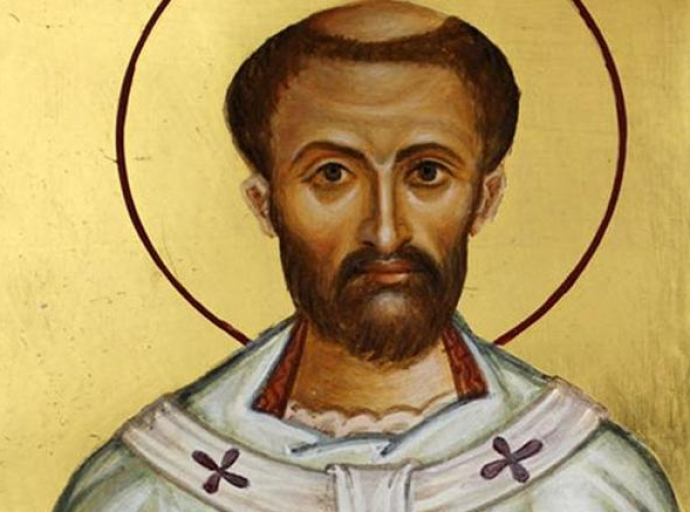
A Benedictine monk sent by Pope Gregory the Great to be a missionary among pagans. He became the great re-evangelizer of ancient Britannia, but also the first Archbishop and Primate of England. He is Saint Augustine of Canterbury, known throughout the world by the name of the abbey he founded and where he was buried.

May 27: Saint Augustine of Canterbury

May 26: Saint Philip Neri

“Brothers, be cheerful, laugh, joke as much as you want, but do not sin!”

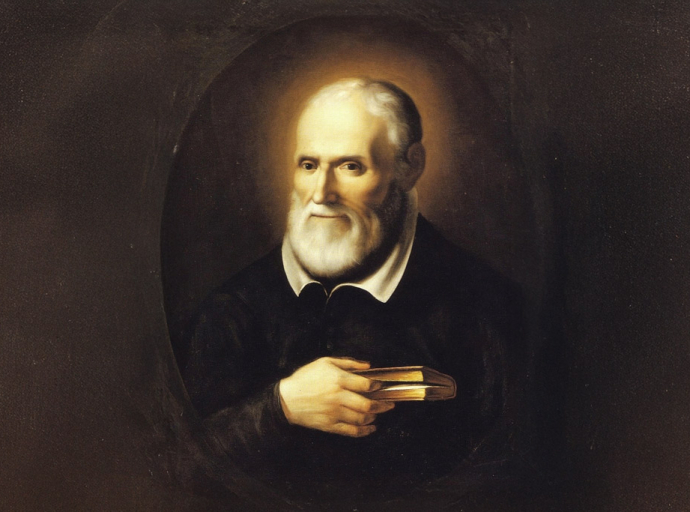
He was known and loved by the populace of Rome for his cheerful and peaceful character, able to involve the entire city in his spiritual journey, beseeching charity towards the weakest and most neglected of society. He is Philip Neri, born in Florence on July 21, 1515, to Francesco and Lucrezia da Mosciano Neri.

May 26: Saint Philip Neri