Archive

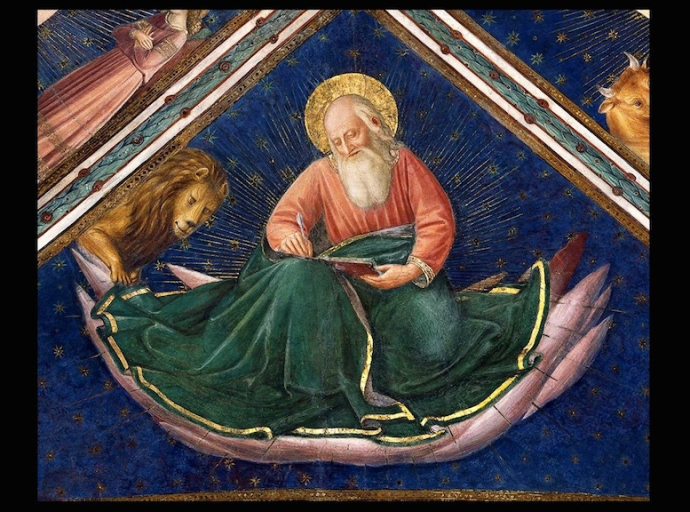
April 25: Saint Mark the Evangelist

St. Peter's “interpreter” 

What we know about Saint Mark comes to us through the Acts of the Apostles in some letters of Saints Peter and Paul. He was not part of the first group of the Apostles but was a disciple first of Paul and then of Peter. Some authors identify him as the young man, son of the widow Mary, who followed Jesus after his arrest in Gethsemane. On that occasion, he narrowly escaped capture when grabbed, running away by leaving behind the linen robe he was wearing. In his writings, he sometimes also appears with the name of John-Mark.
April 25: Saint Mark the Evangelist

April 24: Saint Fidelis of Sigmaringen, Martyr

Apostolic missionary amid adversity

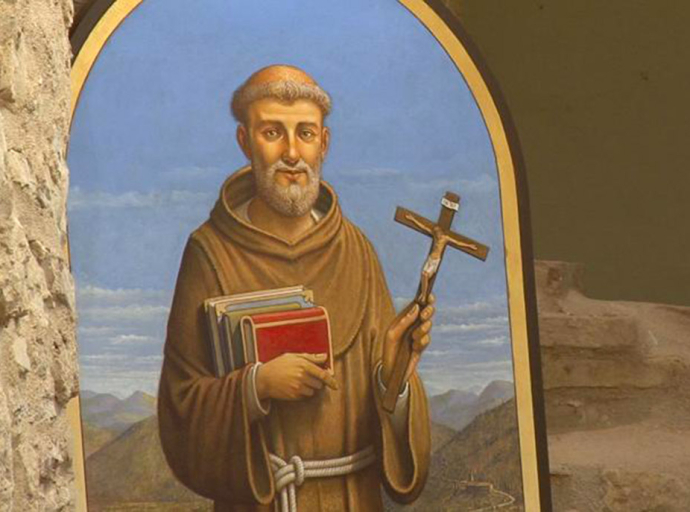
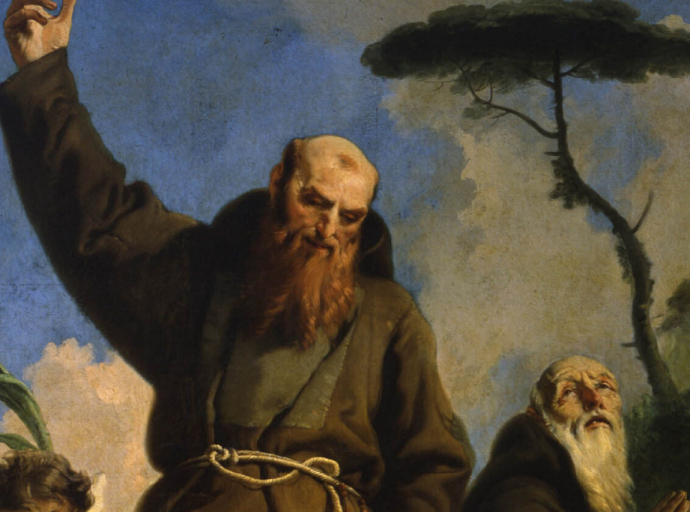
He is the protomartyr of Propaganda Fide, belonging to the Order of Friars Minor Capuchin, killed at only 44 years of age. He is Fidelis of Sigmaringen, born in 1578 in Sigmaringen, in what was then the Principality of Hohenzollern, into a well-to-do family. His father was John Roy, who died in 1591, and his mother was Genoveffa Rosenberger.

April 24: Saint Fidelis of Sigmaringen, Martyr

April 23: Blessed Maria Gabriella Sagheddu

A life offered for the unity of Christians

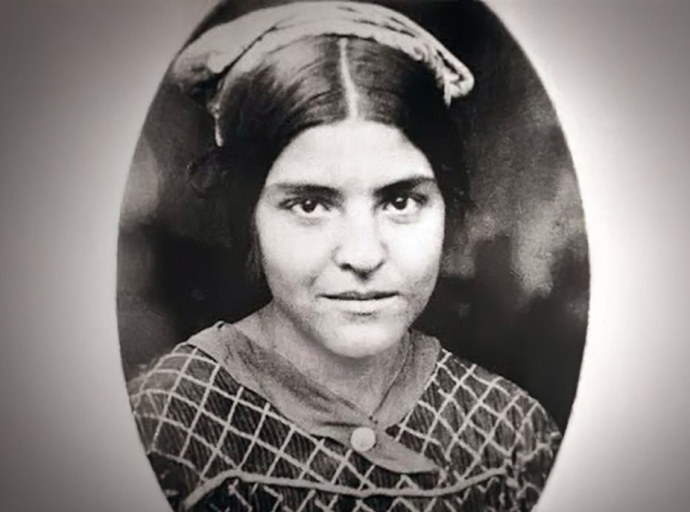
At a young age she offered her life to God for the unity of Christians—this was Maria Gabriella Sagheddu. Born in Dorgali (Sardegna, Italy) on March 17, 1914, into a family of modest means, from an early age she showed a strong and determined character, at times even capricious and moody. She began her studies and pursued them successfully, but due to numerous unfortunate family affairs, she was forced to abandon her studies and work in order to support her family.

April 23: Blessed Maria Gabriella Sagheddu

April 22: Blessed Francis Venimbeni of Fabriano

In the steps of Saint Francis of Assisi

Francis Venimbeni was born in Fabriano (Ancona, Italy) in 1251 to Compagno, a physician, and Margherita. After completing his studies in philosophy, at the age of 16 he entered the Franciscan Order. He undertook his novitiate in the town of Fabriano. One day, he wished to go to Assisi to gain the indulgence of the Porziuncola, with the desire to meet Brother Leo, the most well-known of Saint Francis’s companions.

April 22: Blessed Francis Venimbeni of Fabriano

April 21: Saint Anselm of Aosta, Doctor of the Church

Father of Scholasticism

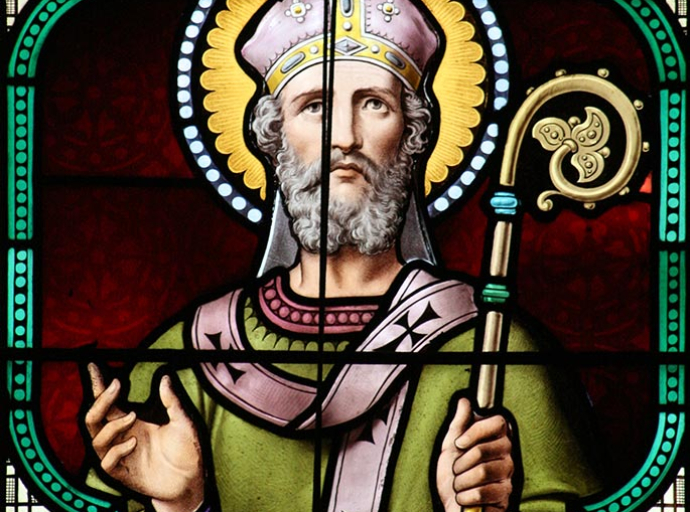
A Benedictine monk, later Abbot and Archbishop of Canterbury, and an eminent theologian, he was proclaimed a Doctor of the Church. This is Saint Anselm of Aosta, whose most famous work is the Proslogion (“Discourse”), known for its ontological argument for the existence of God. Born in Aosta in northern Italy, around 1033, he received both human and religious education from his mother, who later entrusted his formation to the Benedictines of a priory in Aosta.

April 21: Saint Anselm of Aosta, Doctor of the Church

April 20: Saint Agnes of Montepulciano

In the service of peace in the name of Christ

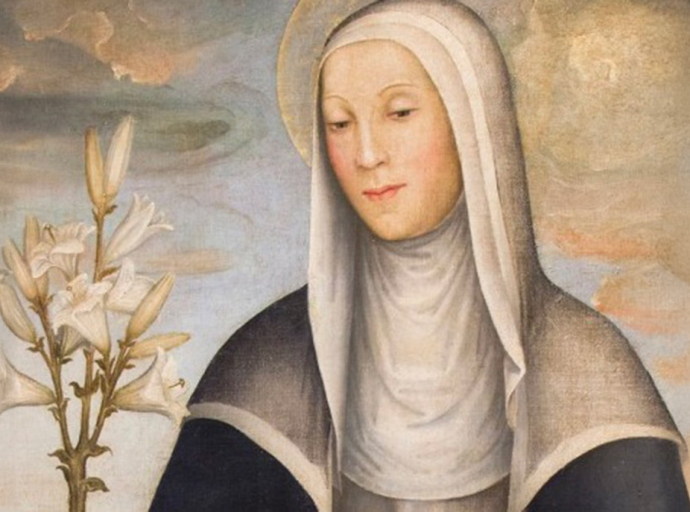
The most reliable biographical source on Saint Agnes Segni is the Legenda, written in 1366 by the Dominican Blessed Raymond of Capua, who lived for four years in Montepulciano as rector of the monastery founded by the Saint. He was able to gather testimonies from several sisters and many people who had known her, and he also consulted documents from the monastery’s archive.

April 20: Saint Agnes of Montepulciano

April 17: Saint Robert of Molesme, Abbot

Founder of the Cistercian Order

He is counted among the founders of the Cistercian Order. Deeply devoted to the Virgin Mary, he promoted a return to a simple and austere monastic life. This is Saint Robert of Molesme, born in Troyes, in Champagne, in 1028 or 1029, into a noble family. His parents were Thierry and Ermengarde, counts of Tonnerre from the Maligny branch.

April 17: Saint Robert of Molesme, Abbot

April 16: Saint Benedict Joseph Labre

The Beggar and Wanderer of God 

In our era he may have been called a globetrotter because he loved to visit the main Sanctuaries of Europe on foot: from Santiago de Compostela to Loreto, from Rome to Gargano. He is Saint Benedict Joseph Labre, known as the beggar or wanderer of God. In less than fifteen years, it is estimated that he traveled thousands of kilometers until he settled in Rome. At first, he found refuge under an arch of the Colosseum and people brought him alms which he promptly distributed to those he considered poorer than himself. He then found a place near the Basilica of Saints Sylvester and Martin, in Rome’s Monti district.

April 16: Saint Benedict Joseph Labre

April 15: Saint Abbondio

Many miracles are attributed to Saint Peter, but one is truly special. It involves another saint, or rather, the Apostle invites a paralytic girl in a vision, who turns to his intercession in prayer, to go and look for a certain Abbondio if she wanted to be healed.

April 15: Saint Abbondio