Archive

February 23: Saint Polycarp, Father of the Church

Teacher of Truth and Doctrine

The figure of Polycarp stands as a fundamental pillar of early Christianity. He is the link between the apostolic age and the generations that followed. As Bishop of Smyrna and a key figure in the Church’s earliest theological indications, he embodied an absolute fidelity to the Gospel, lived without compromise. His name, of Greek origin, evokes the idea of abundance and fruitfulness—a meaning that reflects a personality who left a significant legacy in the history of the Church.
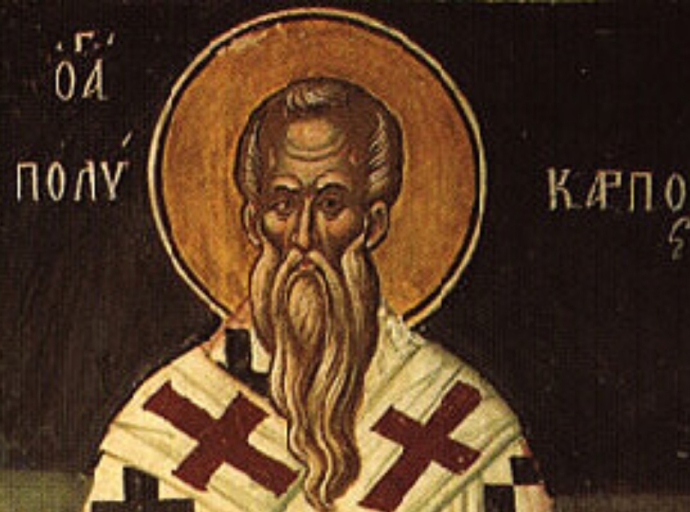
February 23: Saint Polycarp, Father of the Church

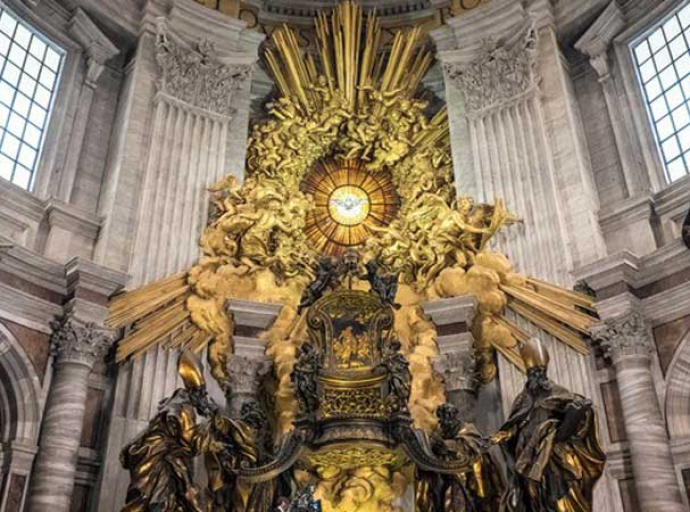
22 February: Feast of the Chair of Saint Peter

Celebrating the unity of the Church

The Feast of the Chair of Saint Peter the Apostle commemorates the moment when the Lord said, “And I tell you, you are Peter, and on this rock I will build my church”. On the day in which Romans traditionally honoured their deceased, we honour the See of Saint Peter’s birth in Heaven, which draws glory from victory on the Vatican Hill and presides over the universal communion of charity, states the Roman Martyrology.

22 February: Feast of the Chair of Saint Peter

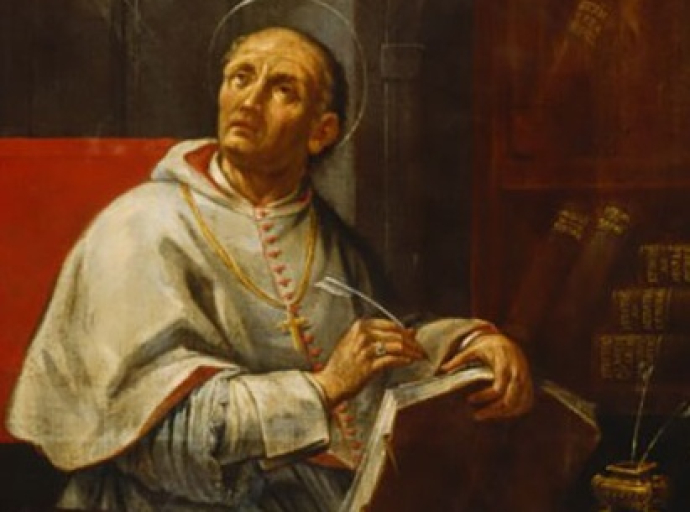
21 February: Saint Peter Damian, Doctor of the Church

A monk at the service of the Church

Peter Damian is one of the most well-known writers of the 11th century and one of the greatest advocates of the pre-Gregorian reform, along with several Popes who fought against the evils afflicting the Church at that time – in particular against simony, the buying and selling of an ecclesiastical office or dignity and Nicolaism, which rejected celibacy. With his advice and without taking radical positions, he served the Popes and wrote about these themes in Liber Gratissimus.

21 February: Saint Peter Damian, Doctor of the Church

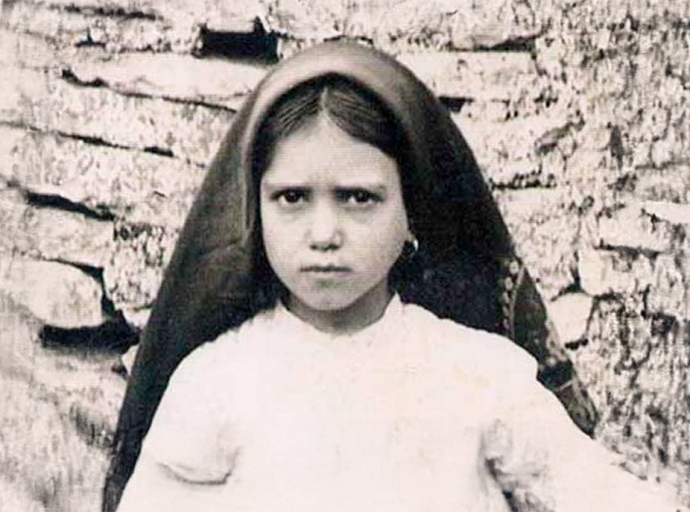
20 February: Saint Jacinta Marto

A child’s generous heart offered to God

Jacinta Marto was born in 1910 and from an early age showed an affectionate and outgoing temperament, although at times she could be capricious. She felt a special affection for her cousin Lucia dos Santos and possessed a keen sensitivity that made her deeply moved by the beauty of nature and by the suffering of the poor and the sick.

20 February: Saint Jacinta Marto

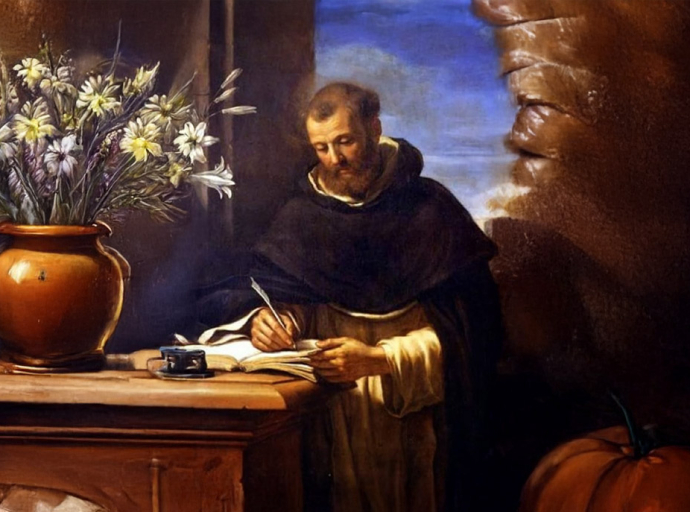
19 February: Blessed Álvaro of Córdoba, Dominican

Reformer of Consecrated Life

Álvaro was born in Zamora, Spain, around 1360. He entered the Dominican Order in 1368 and soon distinguished himself for his intelligence and holiness of life. He was a professor of theology at the University of Salamanca for many years and was highly esteemed for his scholarship and teaching. During that period, he also served as confessor to King Juan II of Castile and to the queen mother, thus playing an important role in both the religious and political life of Castile.

19 February: Blessed Álvaro of Córdoba, Dominican

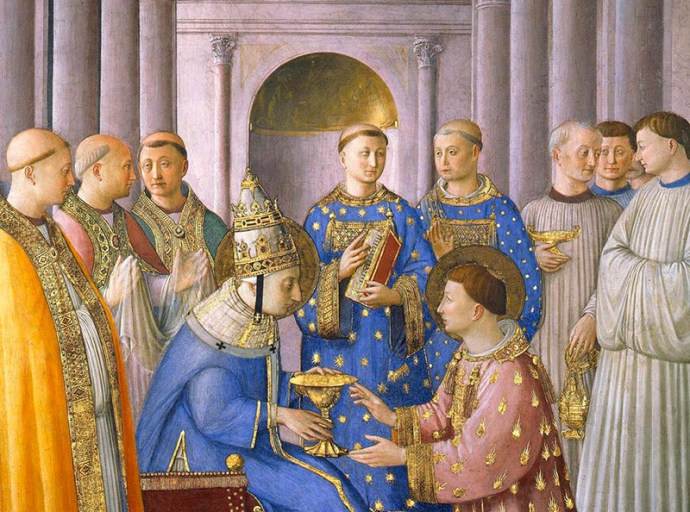
18 February: Blessed John of Fiesole, known as Fra Angelico

Painting as a vehicle to make the mysteries of faith known to all

Guido di Pietro, known as John of Fiesole, or better, Fra Angelico, was a Dominican friar with a great talent for painting.

He was known as Angelico because of the great message of faith that imbued his works and the humility that distinguished them, and for the mystical value he gave to light.

18 February: Blessed John of Fiesole, known as Fra Angelico

17 February: Seven Holy Founders of the Order of the Servants of Mary

Seven merchants united in imitation and praise of the Virgin Mary

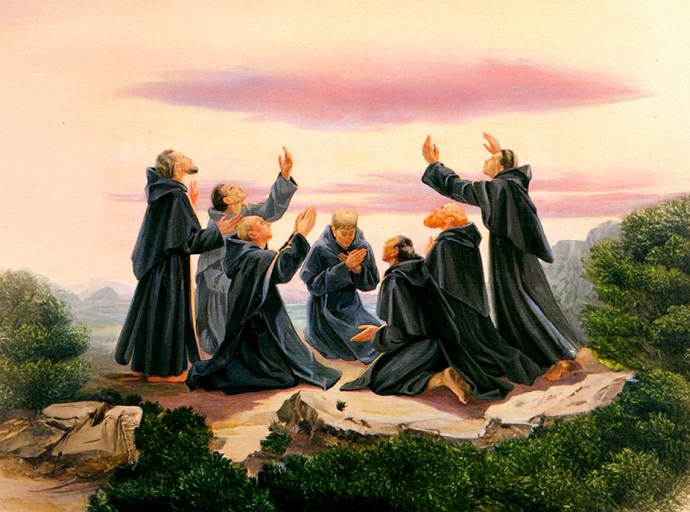
Seven merchants met in an oratory in Florence on the Feast of the Assumption of Mary in 1233. They were all wealthy and part of the old nobility of Florence. Their names were Bonfilius Monaldi, Bonajunta Manetti, Manettus dell'Antella, Amidius Amidei, Hugo Uguccioni, Sosthenes Sostegni and Alexis Falconieri. 

They shared a great devotion to Our Lady and belonged to a confraternity, whose aim was to pay homage to Mary. Known as “Laudesi”, members of the confraternity felt called to be at the service of Our Lady and follow Christ. After seeking the advice of the Bishop of Florence, Ardingo, who encouraged their project, they began their new lives.

17 February: Seven Holy Founders of the Order of the Servants of Mary

February 16: Saint Giuseppe Allamano

Founder of the Consolata Missionaries and the Consolata Missionary Sisters

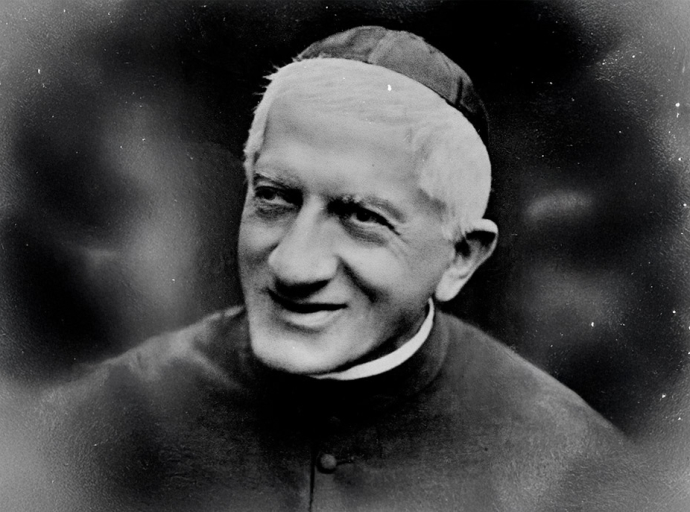
Giuseppe Allamano was born on January 21, 1851, in Castelnuovo Don Bosco, Piedmont Italy, into a deeply religious family. His mother, Maria Anna Cafasso, was the younger sister of Saint Giuseppe Cafasso. She was a model of life and faith for her young son.

February 16: Saint Giuseppe Allamano

15 February: Blessed Angelo Scarpetti, Augustinian

In the School of Saint Augustine

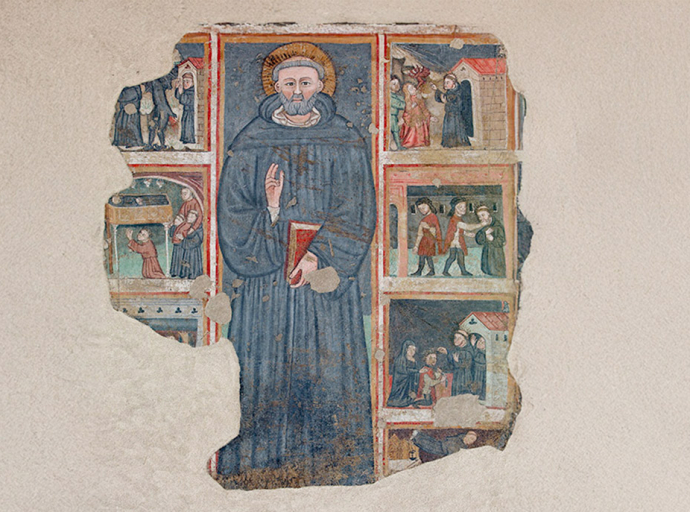
Angelo Scarpetti was born between 1230 and 1240, most likely in Sansepolcro, the Tuscan town where he lived and died. According to established tradition, in 1254 he entered the convent of the Bonite hermits of Sansepolcro, who followed the Rule of Saint Augustine. This community became involved in the great process of unifying eremitical movements promoted by Pope Alexander IV which, in 1256, led to the foundation of the Order of the Hermits of Saint Augustine.

15 February: Blessed Angelo Scarpetti, Augustinian

14 February: Saints Cyril and Methodius

Evangelizers of the Slavs

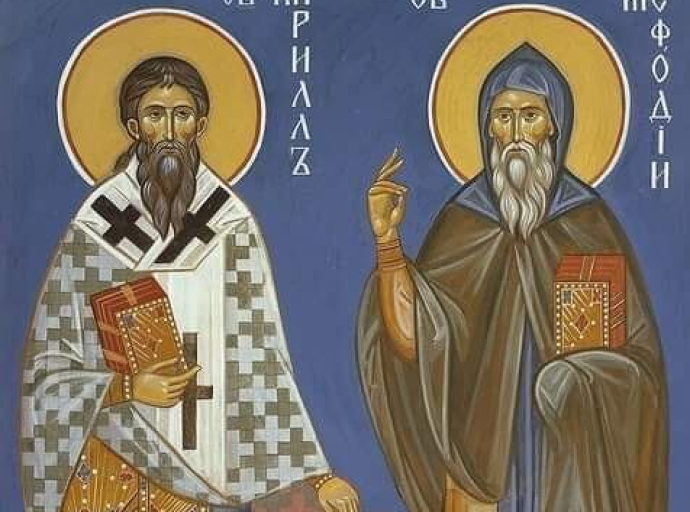
Cyril and Methodius are known for being the evangelizers of the Slavs, for whom they created an alphabet that was understandable to a large part of the people, in order to pass on the teachings of the Scriptures. The two brothers, Cyril and Methodius, were from Thessalonica, today known as Salonika,  in Greece, but then part of the Byzantine Empire. Methodius was born around 825, while Cyril was born two years later. Cyril’s original name was Constantine, but he changed his name when he became a monk on his deathbed.

14 February: Saints Cyril and Methodius