

A contemplative devoted to evangelization
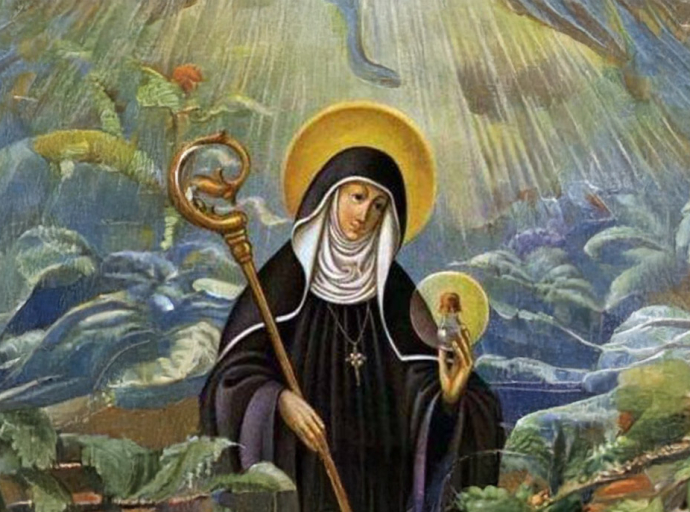
Walpurga (Walburga) was born around the year 710 in Wessex, in southern England. She came from a noble Anglo-Saxon family and received her education in a monastery, possibly at Wimborne.
A contemplative devoted to evangelization
Walpurga (Walburga) was born around the year 710 in Wessex, in southern England. She came from a noble Anglo-Saxon family and received her education in a monastery, possibly at Wimborne.
In the Service of the most Abandoned
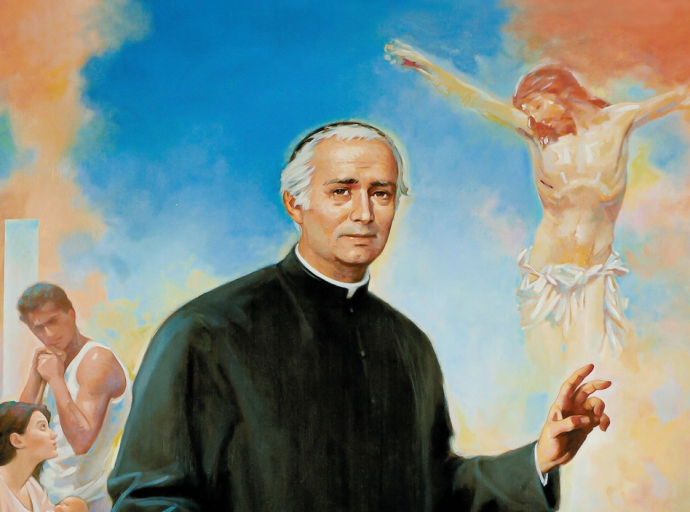
Blessed Tommaso Maria Fusco was born in Pagani, southern Italy, on December 1, 1831, into a deeply Christian family. His childhood was marked by sorrow: his mother died of cholera while he was still a child, and a few years later he also lost his father. Left an orphan, his education was entrusted to his paternal uncle, a priest.
Teacher of Truth and Doctrine
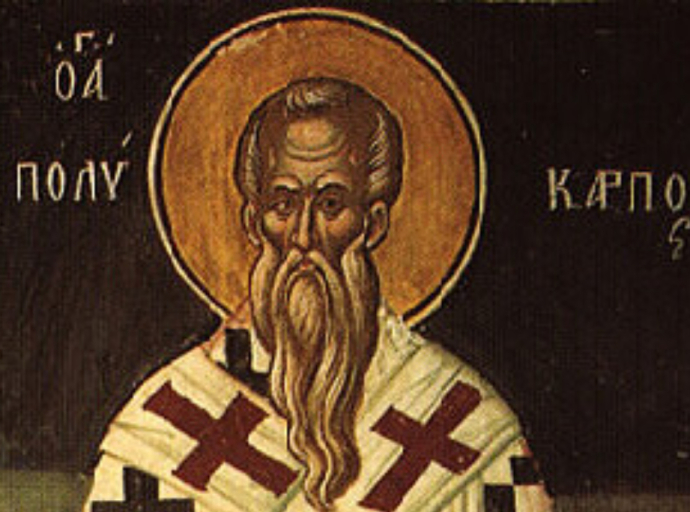
The figure of Polycarp stands as a fundamental pillar of early Christianity. He is the link between the apostolic age and the generations that followed. As Bishop of Smyrna and a key figure in the Church’s earliest theological indications, he embodied an absolute fidelity to the Gospel, lived without compromise. His name, of Greek origin, evokes the idea of abundance and fruitfulness—a meaning that reflects a personality who left a significant legacy in the history of the Church.
Celebrating the unity of the Church
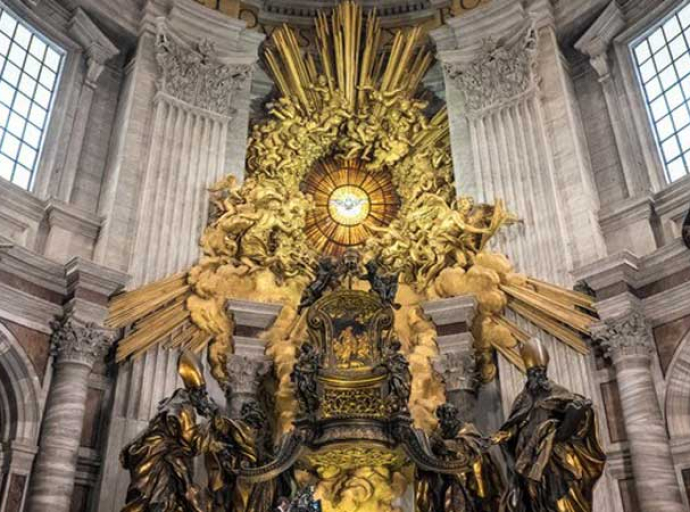
The Feast of the Chair of Saint Peter the Apostle commemorates the moment when the Lord said, “And I tell you, you are Peter, and on this rock I will build my church”. On the day in which Romans traditionally honoured their deceased, we honour the See of Saint Peter’s birth in Heaven, which draws glory from victory on the Vatican Hill and presides over the universal communion of charity, states the Roman Martyrology.
A monk at the service of the Church
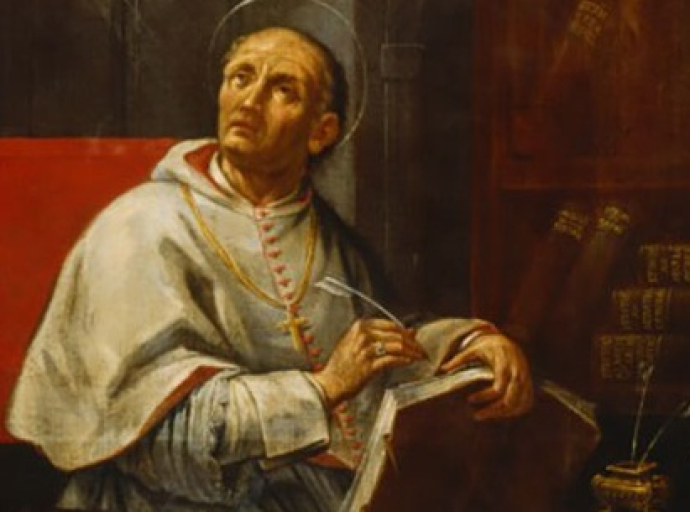
Peter Damian is one of the most well-known writers of the 11th century and one of the greatest advocates of the pre-Gregorian reform, along with several Popes who fought against the evils afflicting the Church at that time – in particular against simony, the buying and selling of an ecclesiastical office or dignity and Nicolaism, which rejected celibacy. With his advice and without taking radical positions, he served the Popes and wrote about these themes in Liber Gratissimus.
A child’s generous heart offered to God
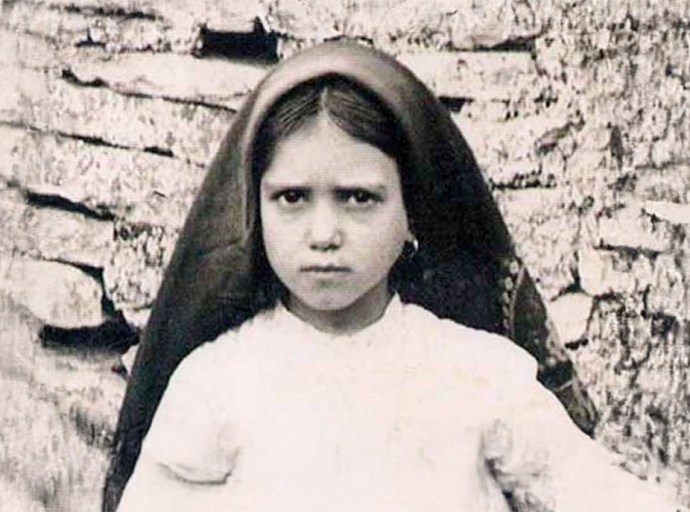
Jacinta Marto was born in 1910 and from an early age showed an affectionate and outgoing temperament, although at times she could be capricious. She felt a special affection for her cousin Lucia dos Santos and possessed a keen sensitivity that made her deeply moved by the beauty of nature and by the suffering of the poor and the sick.
Reformer of Consecrated Life
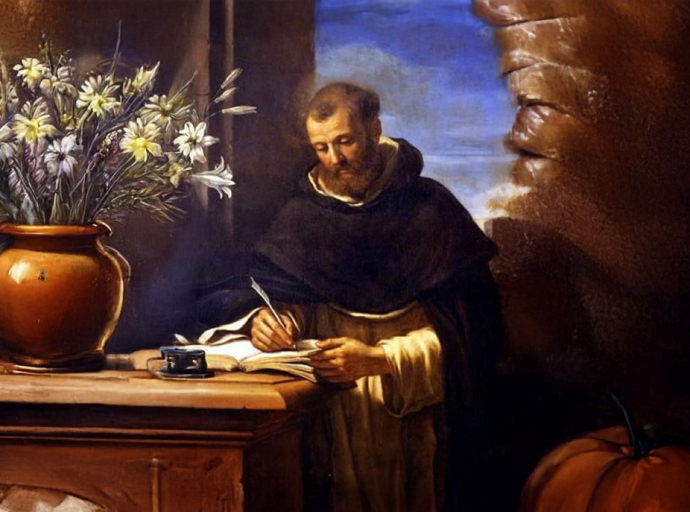
Álvaro was born in Zamora, Spain, around 1360. He entered the Dominican Order in 1368 and soon distinguished himself for his intelligence and holiness of life. He was a professor of theology at the University of Salamanca for many years and was highly esteemed for his scholarship and teaching. During that period, he also served as confessor to King Juan II of Castile and to the queen mother, thus playing an important role in both the religious and political life of Castile.
Painting as a vehicle to make the mysteries of faith known to all
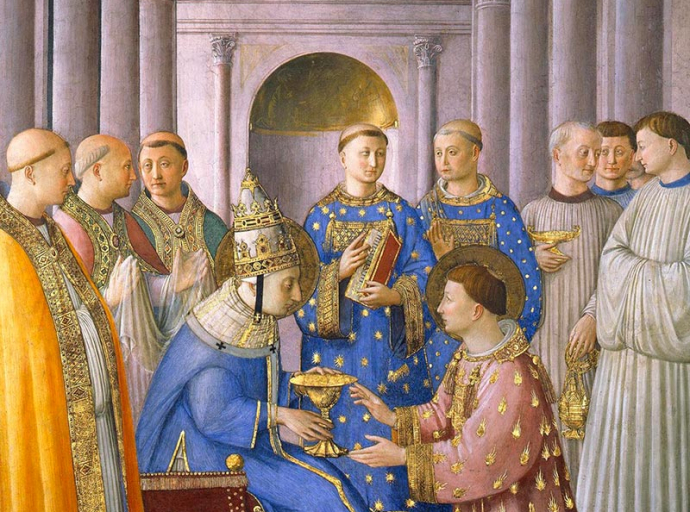
Guido di Pietro, known as John of Fiesole, or better, Fra Angelico, was a Dominican friar with a great talent for painting.
He was known as Angelico because of the great message of faith that imbued his works and the humility that distinguished them, and for the mystical value he gave to light.
Seven merchants united in imitation and praise of the Virgin Mary
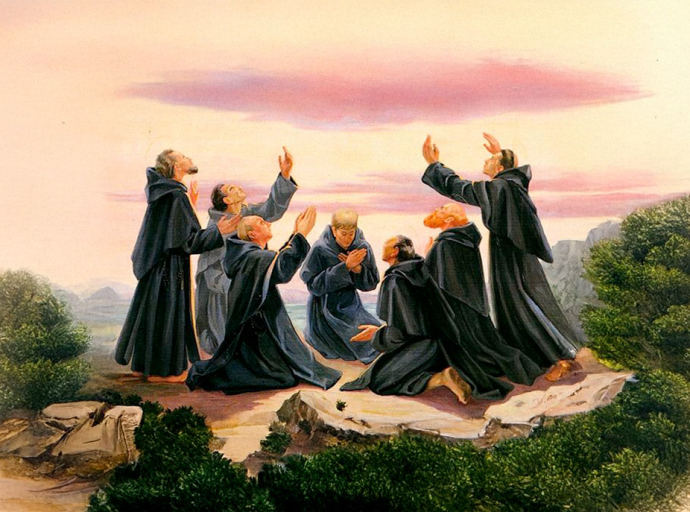
Seven merchants met in an oratory in Florence on the Feast of the Assumption of Mary in 1233. They were all wealthy and part of the old nobility of Florence. Their names were Bonfilius Monaldi, Bonajunta Manetti, Manettus dell'Antella, Amidius Amidei, Hugo Uguccioni, Sosthenes Sostegni and Alexis Falconieri.
They shared a great devotion to Our Lady and belonged to a confraternity, whose aim was to pay homage to Mary. Known as “Laudesi”, members of the confraternity felt called to be at the service of Our Lady and follow Christ. After seeking the advice of the Bishop of Florence, Ardingo, who encouraged their project, they began their new lives.
Founder of the Consolata Missionaries and the Consolata Missionary Sisters
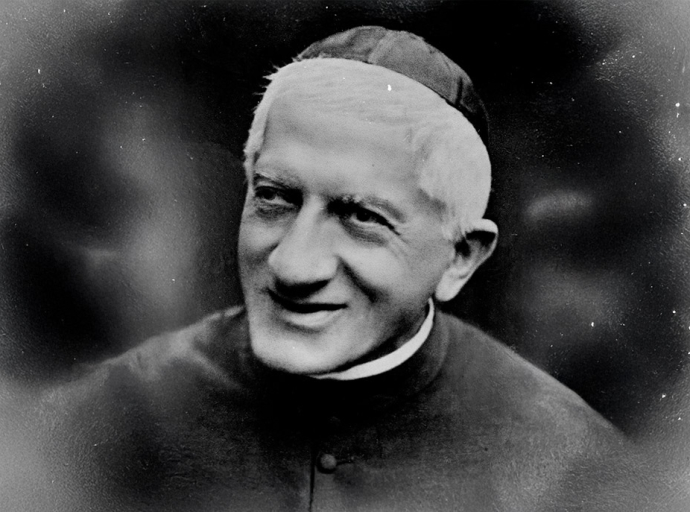
Giuseppe Allamano was born on January 21, 1851, in Castelnuovo Don Bosco, Piedmont Italy, into a deeply religious family. His mother, Maria Anna Cafasso, was the younger sister of Saint Giuseppe Cafasso. She was a model of life and faith for her young son.