Archive

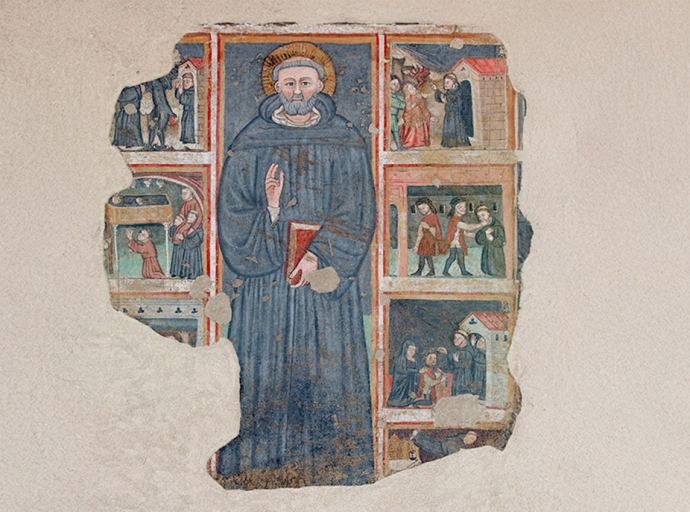
15 February: Blessed Angelo Scarpetti, Augustinian

In the School of Saint Augustine

Angelo Scarpetti was born between 1230 and 1240, most likely in Sansepolcro, the Tuscan town where he lived and died. According to established tradition, in 1254 he entered the convent of the Bonite hermits of Sansepolcro, who followed the Rule of Saint Augustine. This community became involved in the great process of unifying eremitical movements promoted by Pope Alexander IV which, in 1256, led to the foundation of the Order of the Hermits of Saint Augustine.
15 February: Blessed Angelo Scarpetti, Augustinian

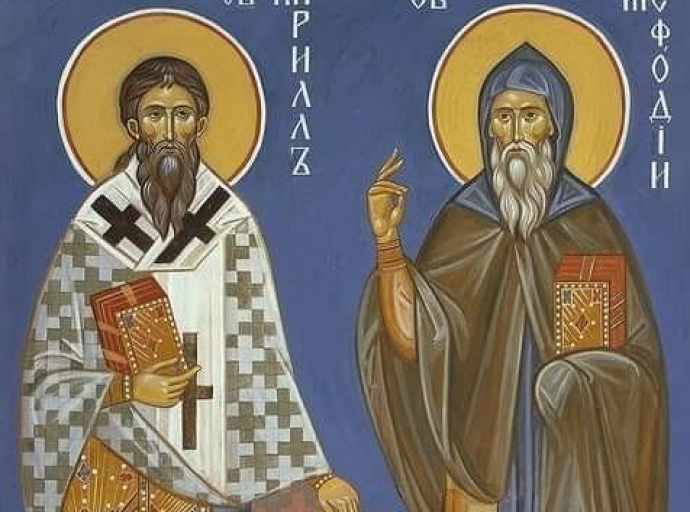
14 February: Saints Cyril and Methodius

Evangelizers of the Slavs

Cyril and Methodius are known for being the evangelizers of the Slavs, for whom they created an alphabet that was understandable to a large part of the people, in order to pass on the teachings of the Scriptures. The two brothers, Cyril and Methodius, were from Thessalonica, today known as Salonika,  in Greece, but then part of the Byzantine Empire. Methodius was born around 825, while Cyril was born two years later. Cyril’s original name was Constantine, but he changed his name when he became a monk on his deathbed.

14 February: Saints Cyril and Methodius

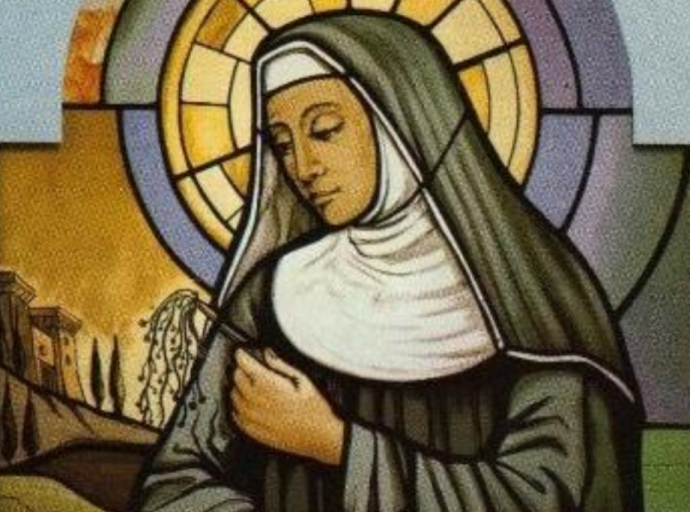
13 February: Blessed Christina of Spoleto, Augustinian

Prayer, penance and charity toward the poor

Christina of Spoleto’s life changed radically when, around the middle of the fifteenth century, she chose to break with her past. At a very young age—probably shortly after 1450—she left her family to receive the religious habit and enter the order of Secular Augustinians. Until then, very little was known about this young woman named Christina, who wished to follow Christ without reservation. From that moment on, her existence was marked by continual journeys, without a permanent home, in search of God.

13 February: Blessed Christina of Spoleto, Augustinian

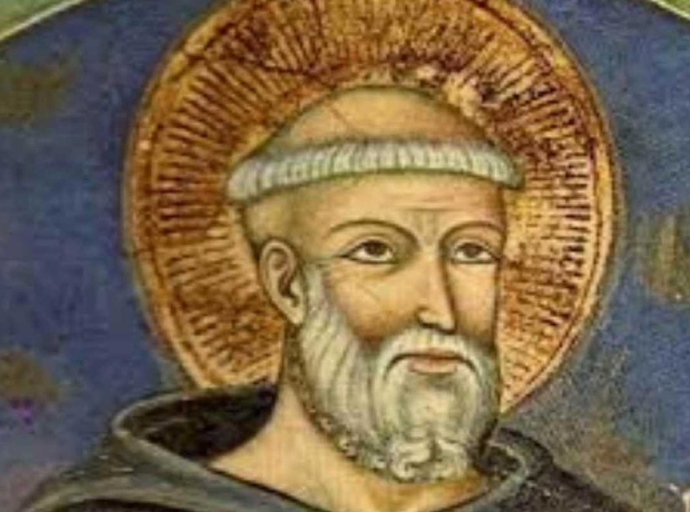
February 12: Saint Benedict of Aniane, Abbot

Reformer of Monastic Life

Benedict of Aniane, born Witiza, was born around the middle of the 8th century in southern France, into a noble family of Visigothic origin. At the age of twenty-seven, his life changed dramatically. During a military expedition to Pavia, he risked his life trying to save his brother, who had fallen into the River Ticino. Deeply shaken by the event, he vowed to dedicate himself entirely to God. True to his promise, around 774 he entered the monastery of Saint-Seine, near Dijon.

February 12: Saint Benedict of Aniane, Abbot

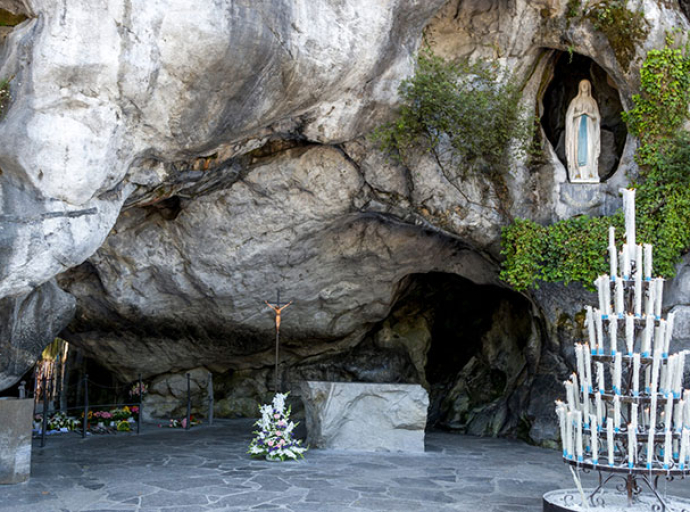
11 February: Our Lady of Lourdes

I am the Immaculate Conception

Our Lady appeared to the 14-year old Bernadette Soubirous 18 times, between 11 February and 16 July 1858, in the Grotto of Massabielle in Lourdes. She asked Bernadette to become her messenger and to cooperate with her in the conversion of sinners. She also made some requests: to make the Grotto a place of prayer and pilgrimage and spoke to her about the dogma proclaimed by Pius IX in 1854.

11 February: Our Lady of Lourdes

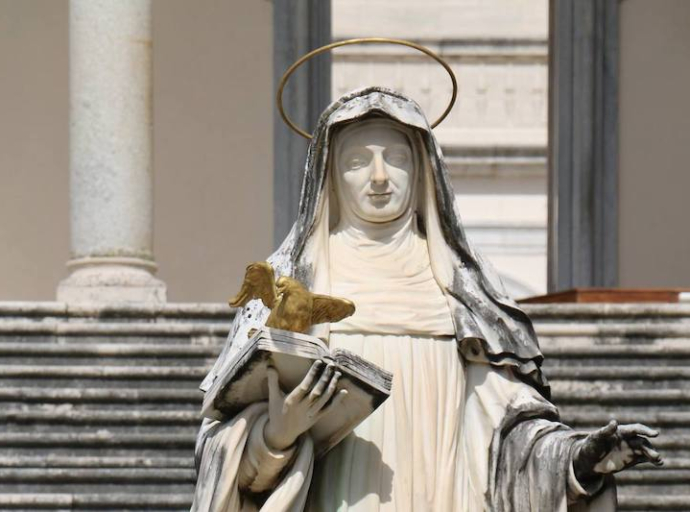
10 February: Saint Scholastica

Scholastica, the twin sister of Saint Benedict of Nursia, is inextricably linked to her brother’s name. She served God in contemplation and communal life. Saint Gregory the Great’s Second Book of Dialogues, which focuses on Benedict’s life, contains only a few hagiographical accounts of her life.

10 February: Saint Scholastica

February 9: Saint Apollonia, Martyr

A faith that flames stronger than fire

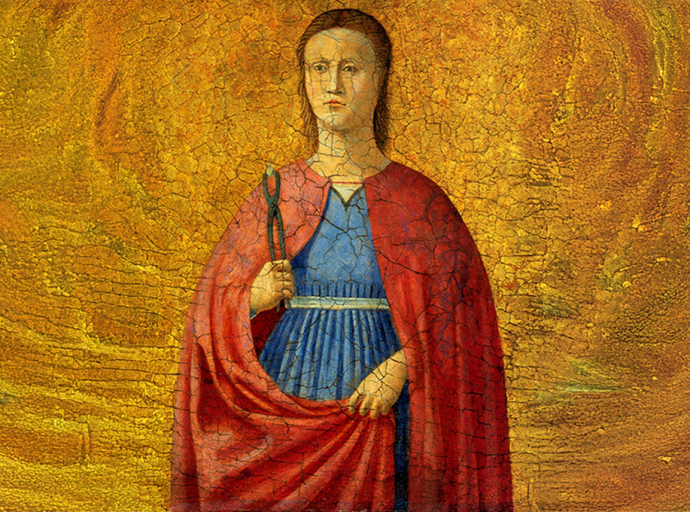
The story of Apollonia is known thanks to an indirect testimony handed down by Eusebius of Caesarea, who lived between the 3rd and 4th centuries. In his work, he refers to a letter written by Bishop Dionysius of Alexandria and addressed to Fabian, Bishop of Antioch. The text describes details of what happened to Apollonia, of which the author claims to have been a direct witness.

February 9: Saint Apollonia, Martyr

8 February: Saint Josephine Bakhita

From slave to “Black Mother”

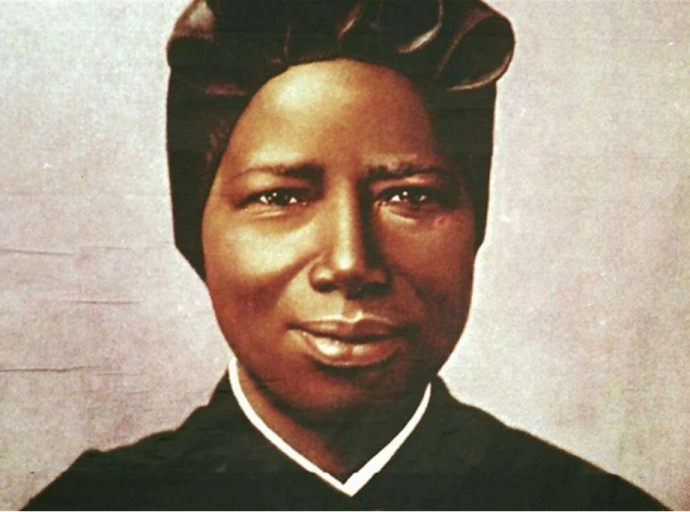
She was a happy girl from a fairly well-off animist family that lived in Olgossa, in Sudan’s Darfur region. In 1878, when she was nine years old, she was abducted by slave traders and her life soon turned into a nightmare. The resulting trauma was so profound that she could no longer remember her name, and her captors mockingly called her “Bakhita”, which means “lucky”.

8 February: Saint Josephine Bakhita

7 February: Blessed Pius IX

The Pope of the Dogma of the Immaculate Conception

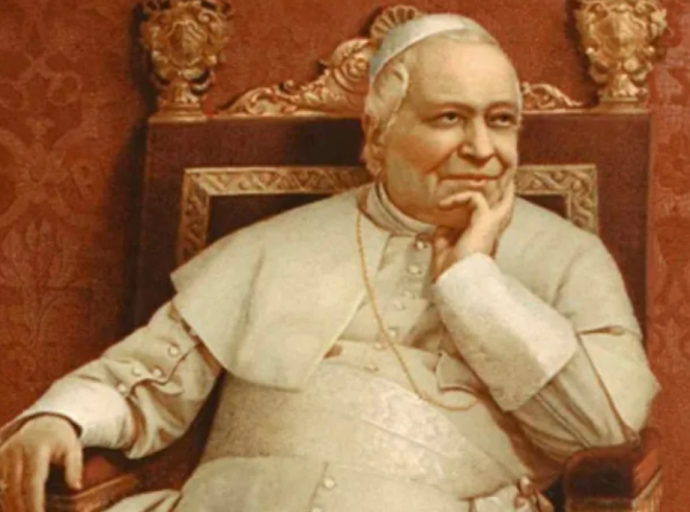
Elected at the age of 54, Pius IX holds the record for the longest pontificate in history: 32 years, even longer than the one tradition attributes to Saint Peter. He served the Church with great zeal, imitating the Good Shepherd, promoted missions and fostered the formation of the clergy and religious life. He is responsible for furthering devotion to the worship of the Eucharist, the Sacred Heart of Jesus and the Virgin Mary.

7 February: Blessed Pius IX

6 February: Saints Paul Miki and Companions

The First Japanese Martyr

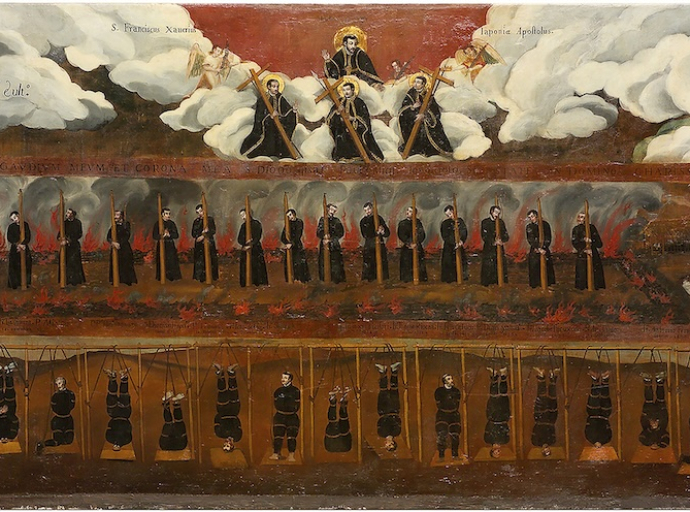
Saint Paul Miki and his companions are shining witnesses of a faith lived without compromise, in joy and suffering. Paul was born in 1556 near Kyoto, Japan, into a family of the Japanese aristocracy. His father, a member of the Samurai class, had become a Christian along with some Buddhist monks. Paul received baptism at a very young age and, as he grew, discovered his vocation. He therefore decided to join the Jesuits, where he pursued his studies until priestly ordination.

6 February: Saints Paul Miki and Companions