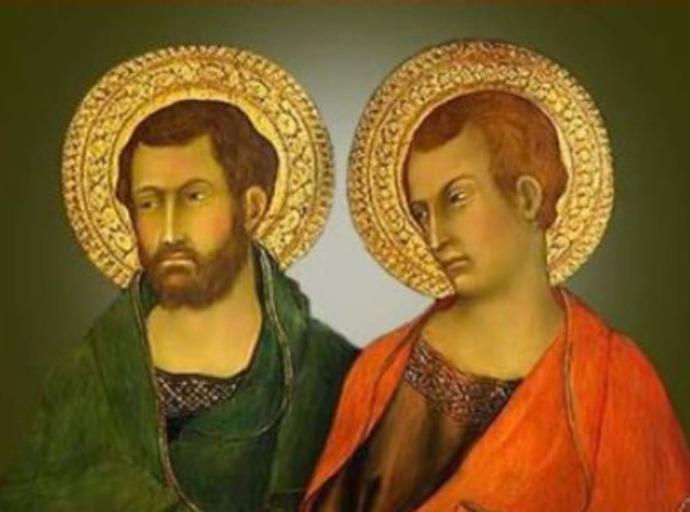
On the day following the conversion of Saint Paul, the Churches of the West commemorate with special attention two of his close collaborators: Timothy and Titus, key figures of the apostolic mission and among the first bishops of the Church.
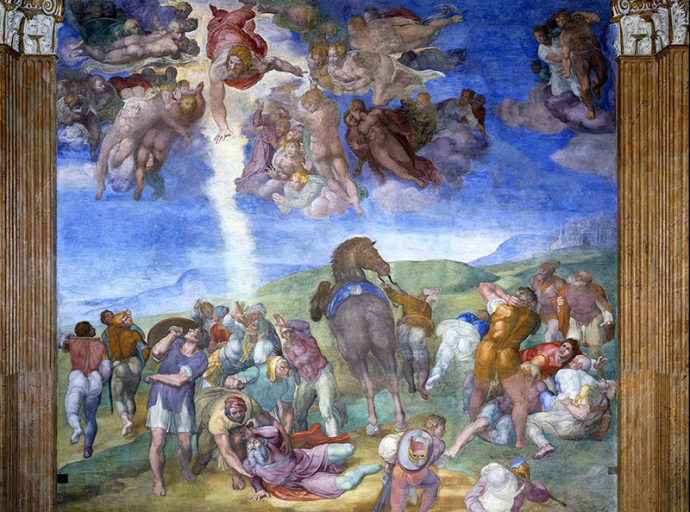
The Church celebrates Saint Paul’s Conversion on the road to Damascus, on 25 January. In one of the most powerful manifestations of divine grace, Saul, the fierce persecutor of Christians, became the Apostle of Nations. The event is narrated in the Acts of the Apostles.
Preacher and evangelizer in the midst of controversy
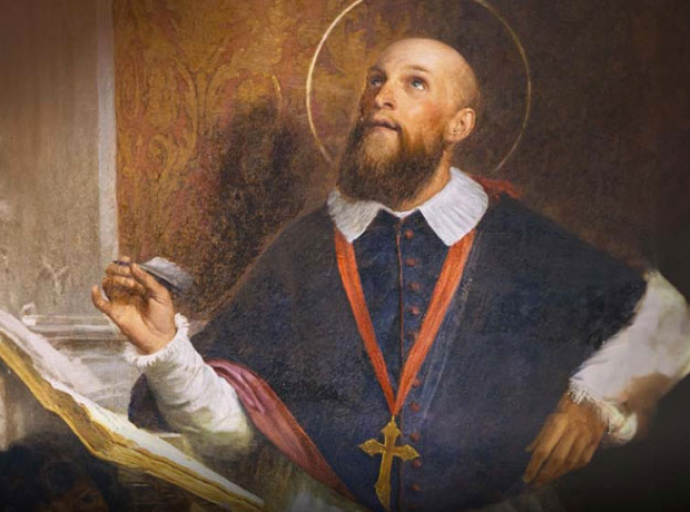
Born on 21 August 1567 in the Château de Sales in Thorens-Glières (Upper Savoy), Francis de Sales grew up in a Catholic family belonging to the Savoyard aristocracy. His father, who served as maître d’hôtelto Count Sébastien of Luxembourg-Martigues, was also Lord of Sales.
United with the suffering of Christ for the salvation of her brothers and sisters
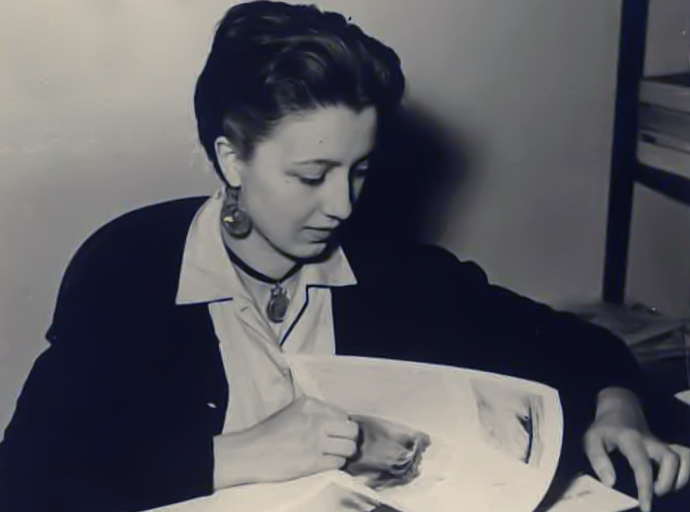
Benedetta Bianchi Porro was born on August 8, 1936, in Dovadola, in the province of Forlì, the firstborn child of engineer Guido Bianchi Porro and homemaker Elsa Giammarchi. Although the delivery was normal, it involved severe hemorrhaging that led her mother to have her baptized immediately, giving her the name Benedetta.
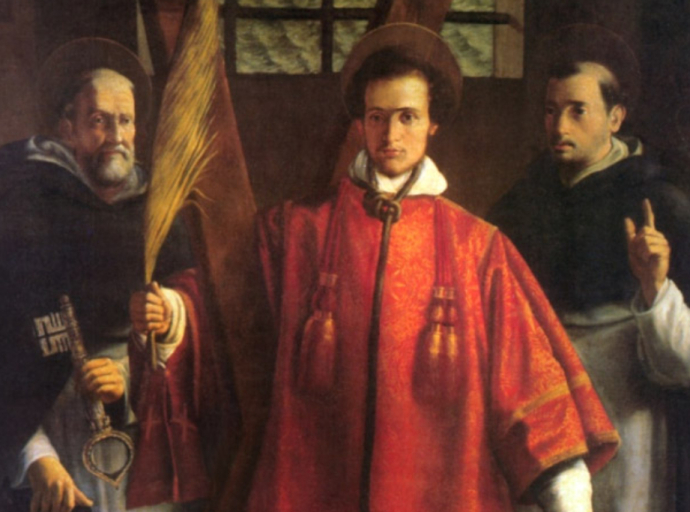
Vincent of Saragossa (also known as Vincent of Tarragona) was born in Spain in the third century, probably in Huesca, although other traditions mention Valencia or Saragossa as his place of origin. Coming from a noble family—the son of the consul Eutychius and the matron Enola—he received a meticulous education in letters and religious formation. From a young age he was entrusted to Bishop Valerius of Saragossa, who appointed him archdeacon and charged him with preaching and assisting him in his pastoral duties.
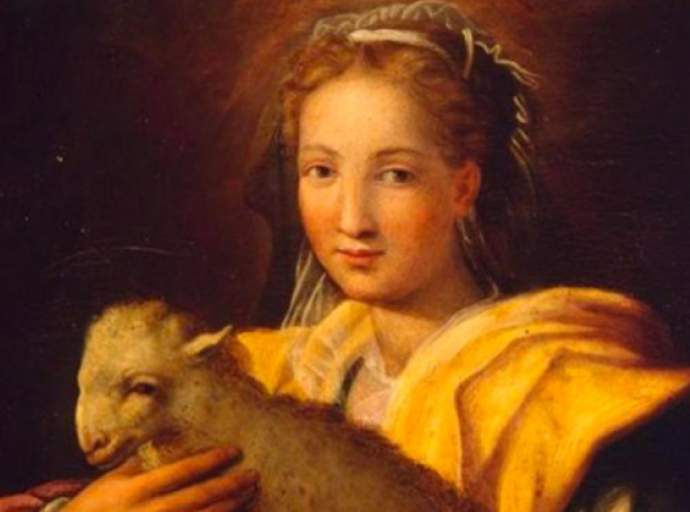
Saint Agnes was a 13-year-old girl from Rome, who did not hesitate to sacrifice her life to bear witness to her faith in Christ. Saint Ambrose, Bishop of Milan, wrote that her witness to Christ was twofold: her chastity and her faith (De Virginitate II. 5-9). Pope Damasus wrote an epitaph in her honour.
He did not fear those who can kill the body but not the soul
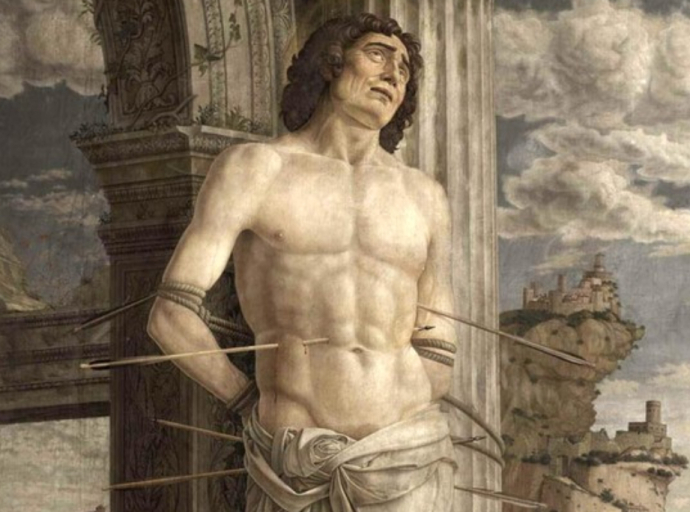
We do not have much information about the life of Saint Sebastian. According to the Passio Santi Sebastiani Martyris, a text long attributed to Saint Ambrose of Milan (340-397), he was born around 250 A.D., and raised in Milan by his father from Narbonne and his mother from Milan. Educated in the Christian faith, he moved to Rome in 270 A.D., enlisted sometime around 283 A.D., and eventually became a tribune of the first cohort of the imperial guard. Unaware of his faith, Emperors Maximian and Diocletian entrusted him with important responsibilities.
Witnesses of Christ to the sacrifice of their lives
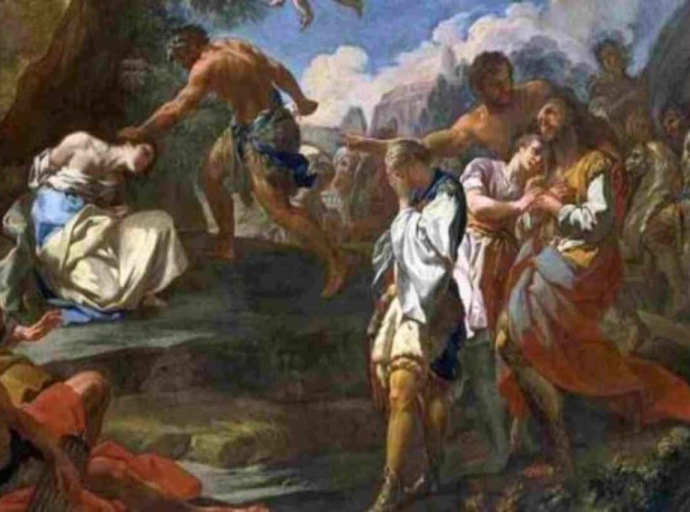
Saints Marius, Martha, Audifax, and Abachus are remembered by the Catholic Church as martyrs of the early centuries of Christianity, and their liturgical memorial falls on January 19. The information concerning them is scarce and fragmentary and comes mainly from ancient hagiographical texts, in particular from a Passio dating to Late Antiquity, which was reworked in subsequent centuries with edifying aims.
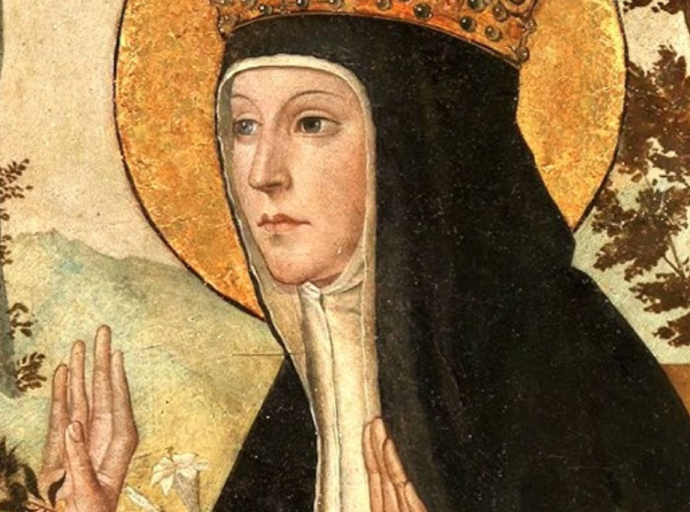
Margaret of Hungary was born in 1242, probably in the castle of Turóc, the daughter of King Béla IV and Queen Maria, of Byzantine origin. Her birth was linked to a dramatic moment for the kingdom: Hungary had been devastated by the Mongol invasion, and the royal family had taken refuge in Dalmatia. On that occasion, the sovereigns made a vow that, if a daughter were born, they would consecrate her to God as a sign of gratitude for the nation’s deliverance.
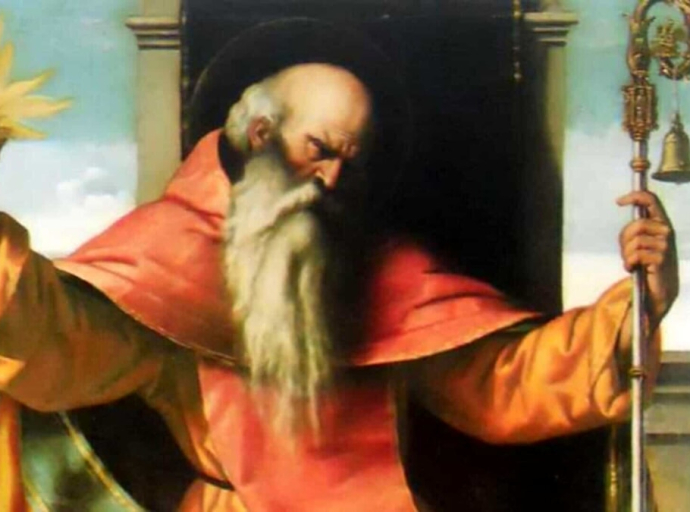
Anthony is considered the Father of Monasticism. Details of his life are narrated in “The Life of Anthony”, by Saint Athanasius of Alexandria, written in 360 AD. Anthony was born to a wealthy family, in Koma, Egypt, on the left bank of the Nile, around 251. He was an orphan by the time he was 18 years old. Two years later, taking the Gospel literally, he sold all his possessions, distributed them to the poor and withdrew into the desert to live a life of penance.