Archive

January 16: Saint Marcellus I, Pope

Impeccable Shepherd

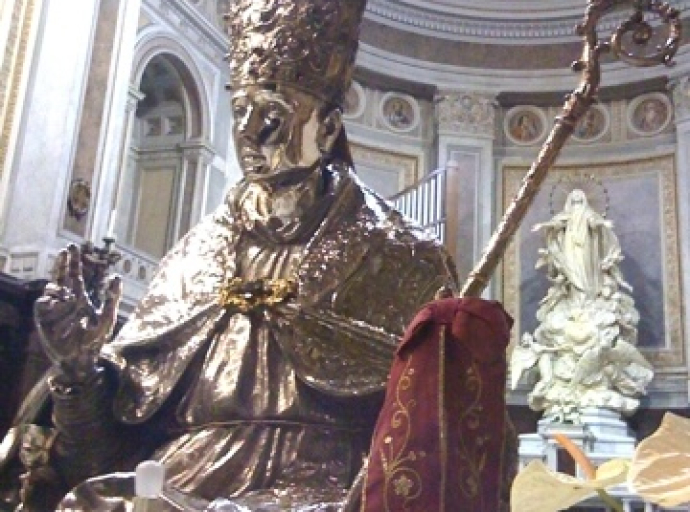
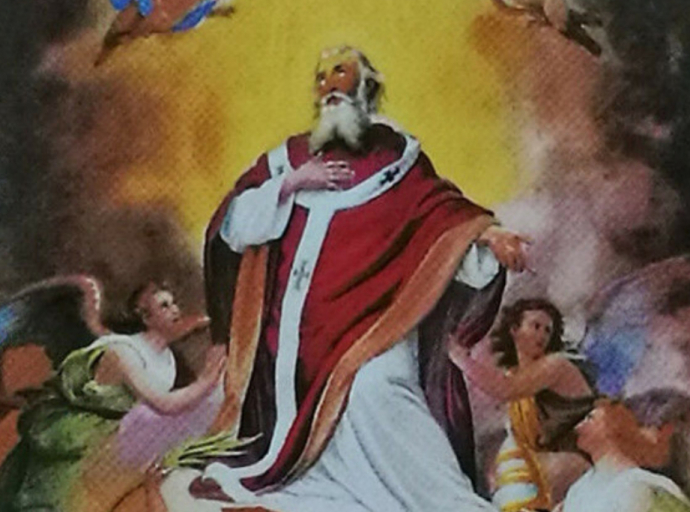
The memorial of Pope Marcellus I, commemorated by the Roman Martyrology on January 16, belongs to one of the most complex phases in the history of the early Church. The sources that mention him are few and often conflicting, so that his figure emerges more through fragments than through a linear narrative. What is certain is that he was Bishop of Rome at the beginning of the fourth century, that his pontificate was brief, and that he was buried along the Via Salaria, in the Cemetery of Priscilla, after dying while away from the city.
January 16: Saint Marcellus I, Pope

January 15: Saint Maurus, Abbot

When obedience works miracles

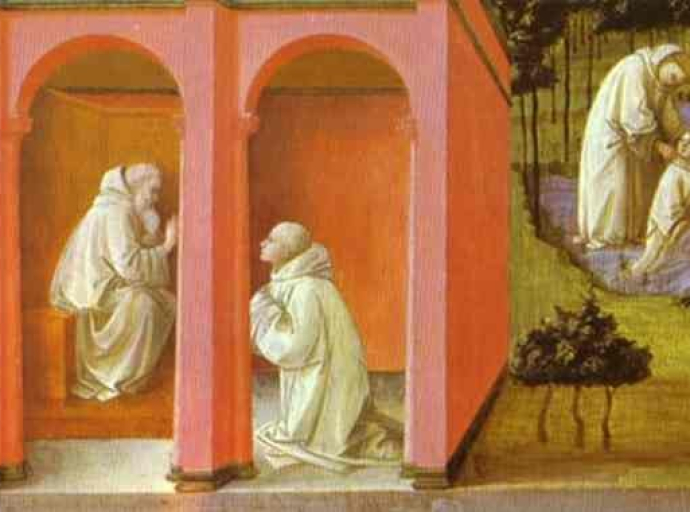
Maurus, the son of the Roman patrician Eutychius, entered the monastic world at a very young age when his father entrusted him to Saint Benedict, who at that time was shaping his communal experience at Subiaco. Along with him also received was Placid, the son of another nobleman, Tertullus. The two boys, noted for their docility and goodness of heart, soon became especially dear to the founder of Western monasticism; Maurus, being the elder, quickly assumed a position of trust beside his master.

January 15: Saint Maurus, Abbot

January 14: Saint Felix of Nola, priest

Unfettered devotion to charity

An example of fidelity, humility, and Christian witness lived to its utmost consequences, yet without the martyrdom of blood. The figure of Felix of Nola is known to us almost exclusively through the poetic compositions of Saint Paulinus of Nola, who between the late 4th and early 5th centuries committed to writing oral traditions still alive in the Nola region. These poems represent the earliest historical testimony to the life of the saint, whose memory has remained deeply rooted in the Christianity of southern Italy.

January 14: Saint Felix of Nola, priest

12 January: Saint Anthony Maria Pucci, of the Order of Servants of Mary

The little Curatino, who gave himself entirely for his parishioners

He never hesitated when faced with people in need, giving everything to everyone in charity, even going so far as to give away his own clothes to help the poor. He challenged the hostility of some anticlerical citizens, for which he was even beaten with clubs on one occasion, as he walked through Viareggio’s streets, distributing food.

12 January: Saint Anthony Maria Pucci, of the Order of Servants of Mary

January 11: Saint Paulinus of Aquileia, Bishop

Zealous Shepherd of his Flock

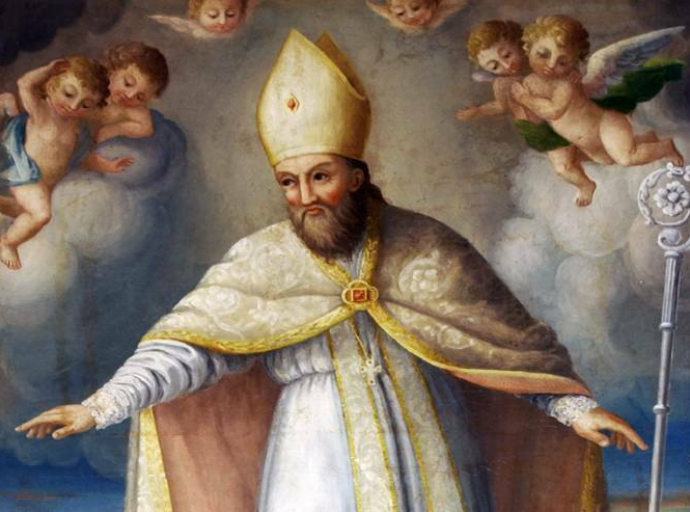
Paulinus of Aquileia was born in the territory of the Lombard Duchy of Friuli, at Premariacco, near Cividale. We possess no certain information about his childhood and youth, but it is plausible that he received a thorough education, both in secular disciplines and in theological studies, perhaps within the local episcopal environment, where his priestly vocation also matured.

January 11: Saint Paulinus of Aquileia, Bishop

January 10: Saint Gregory of Nyssa, Father of the Church

One of the Great Cappadocian Fathers

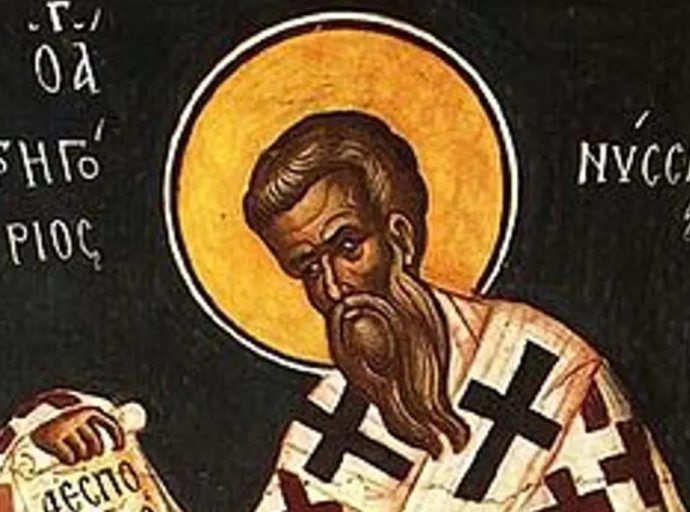
Gregory of Nyssa, a leading figure of fourth-century Christianity, was born in Cappadocia between 335 and 340 into an extraordinarily rich family of religious personalities. The younger brother of Basil of Caesarea, he was above all deeply influenced in his spiritual formation by his elder sister Macrina.

January 10: Saint Gregory of Nyssa, Father of the Church

9 January: Saint Andrew Corsini, Bishop

A peacemaker in the midst of conflicts

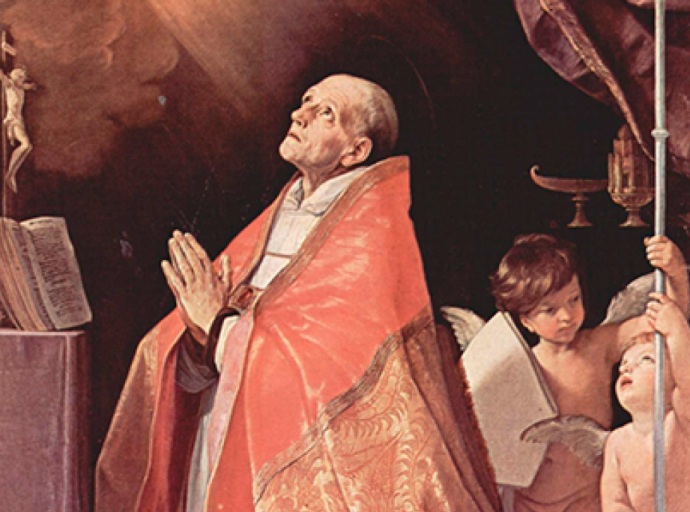
As a mediator and peacemaker in disputes between warring towns, Saint Andrew Corsini, a Carmelite religious and Bishop of Fiesole, was imprisoned for his zeal.

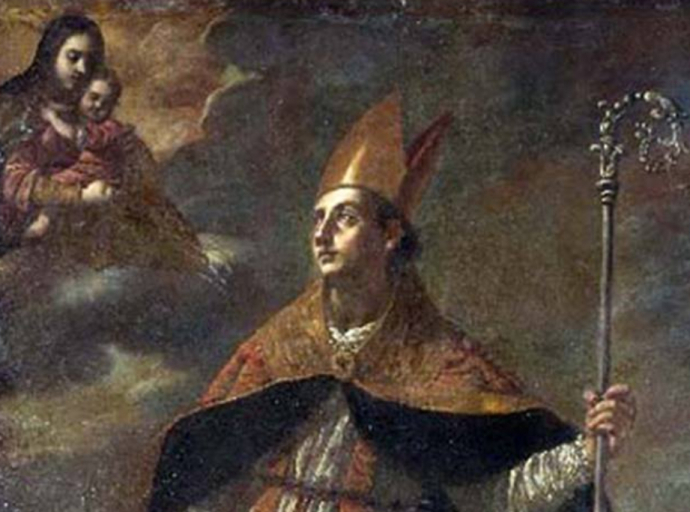
Saint Andrew was born into an aristocratic Florentine family in Florence on 30 November 1301, and had a carefree adolescence. He entered the Carmine convent when he was 15 years old, distinguishing himself for his charity towards the poor and those in need. After he was ordained a priest, he was sent to the University of Paris to complete his studies.

9 January: Saint Andrew Corsini, Bishop

January 8: Saint Severinus, Abbot

The Apostle of Noricum

Saint Severinus of Noricum, born around 410, is a central figure Christianity of  Late Antiquity. Recognized as a saint by both the Roman Catholic and the Orthodox Churches, he devoted his life to the evangelization of the Roman province of Noricum, in present-day Austria, where he founded numerous monastic communities. The area he frequented most was the Danubian plain, between Carnuntum and the region of Passavia, today’s Passau.

January 8: Saint Severinus, Abbot

7 January: Saint Raymond of Peñafort

A jurist at the service of evangelization

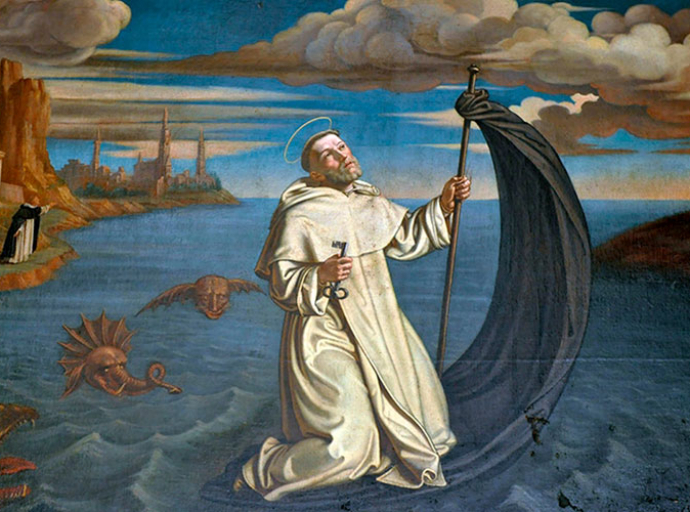
Raymond of Peñafort cofounded the Order of the Mercedarians, served as Master General of the Dominicans, and above all, was a renowned expert in canon law. Born between 1175 and 1185 in Villafranca del Panadés, Raymond studied at the Cathedral of Barcelona, where he later taught rhetoric and logic.

7 January: Saint Raymond of Peñafort