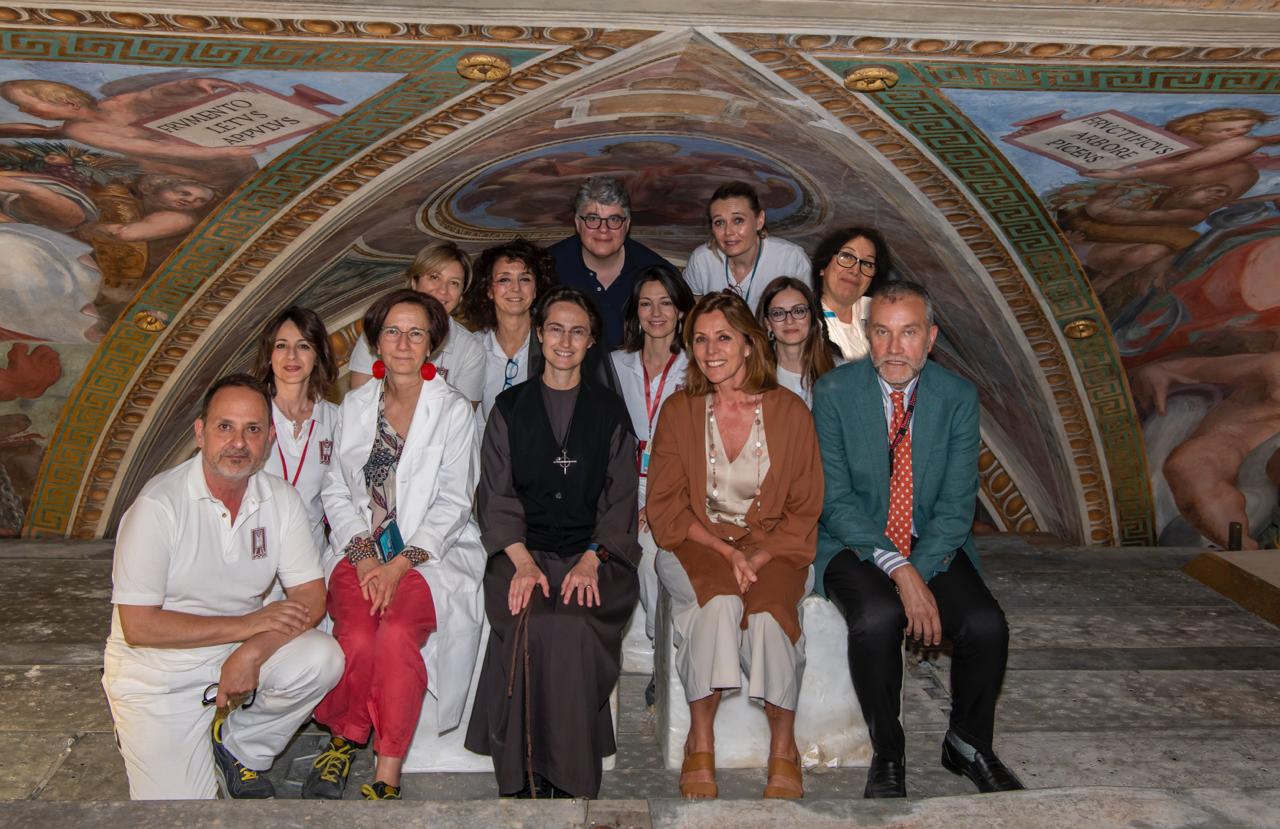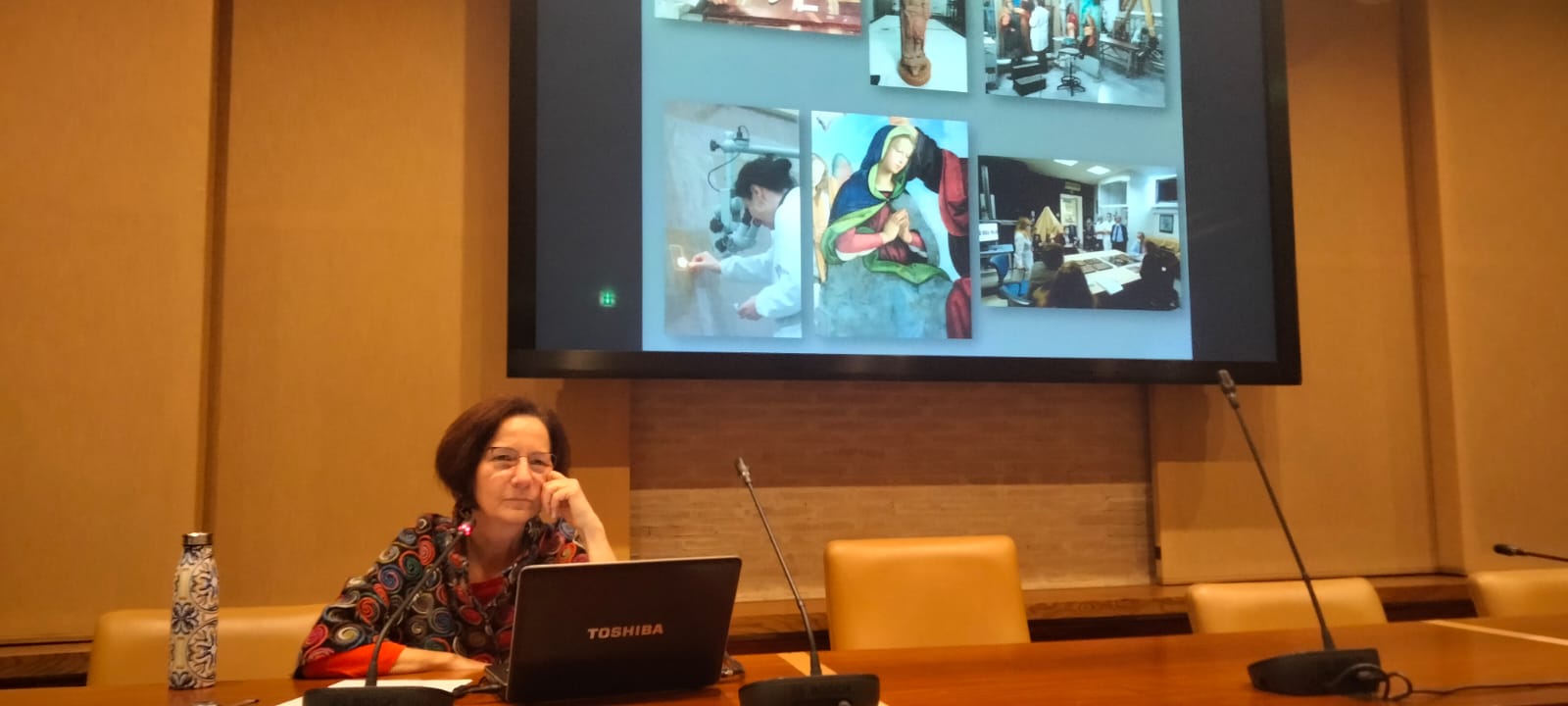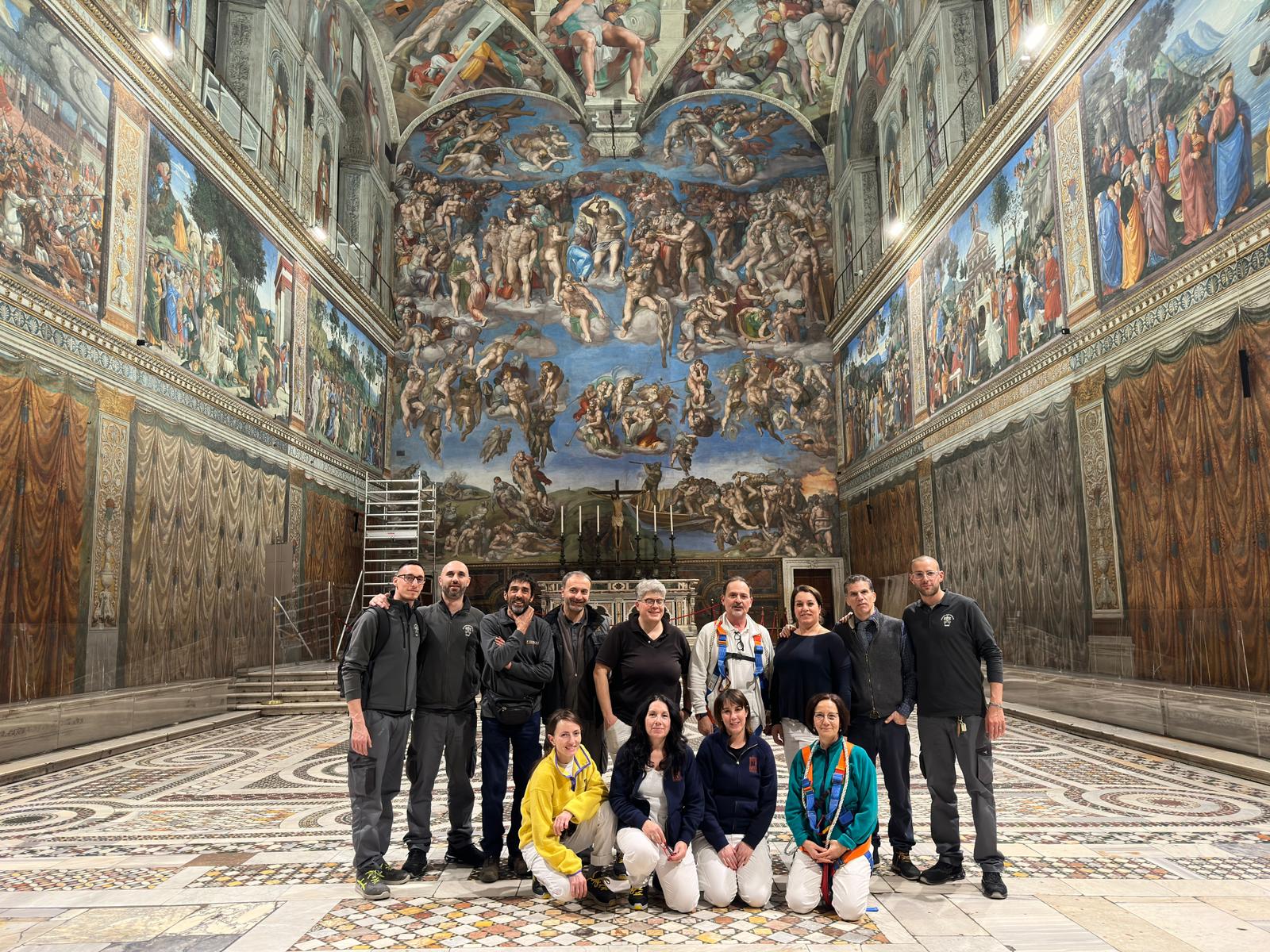


Interview with Francesca Persegati, Former Head of the Paintings and Wooden Materials Restoration Laboratory of the Vatican Museums
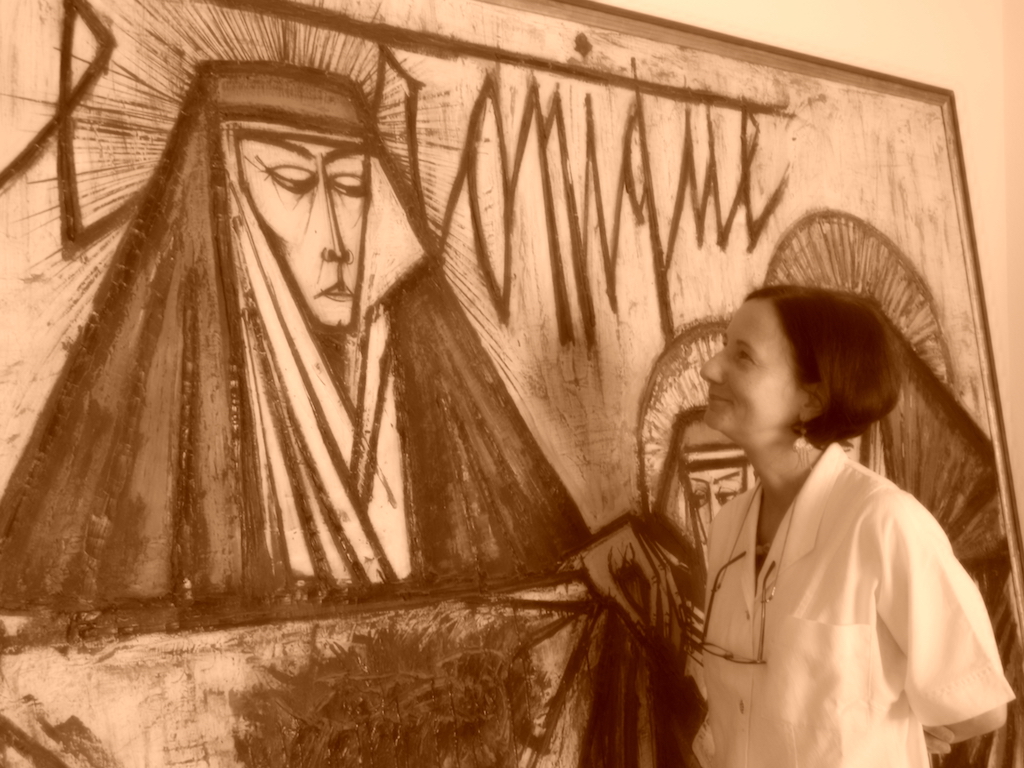

Between Passion and Professionalism
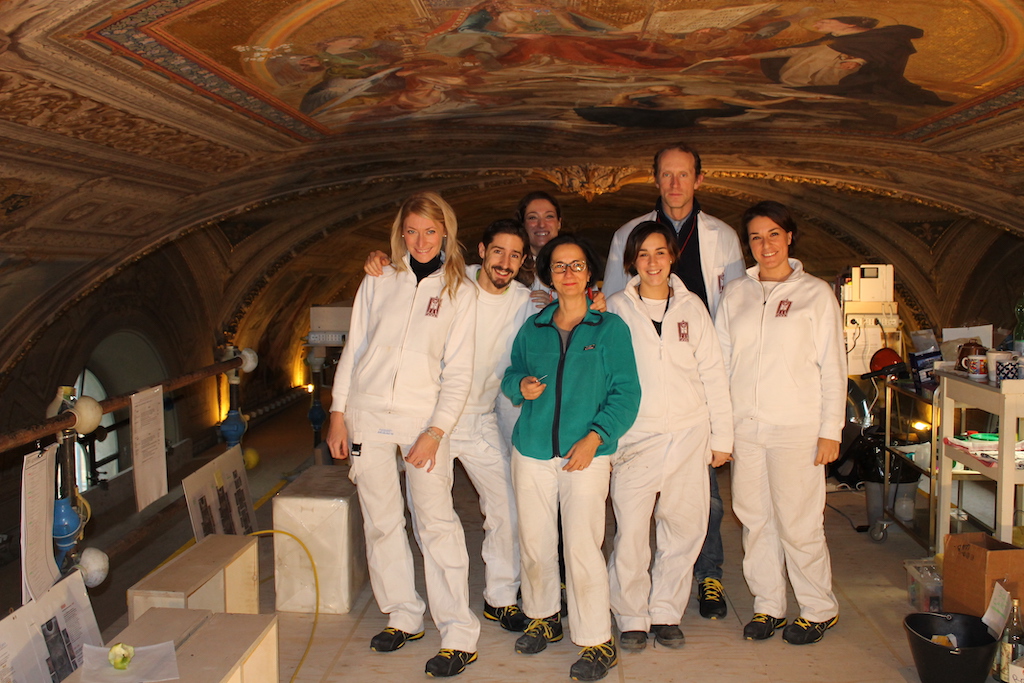
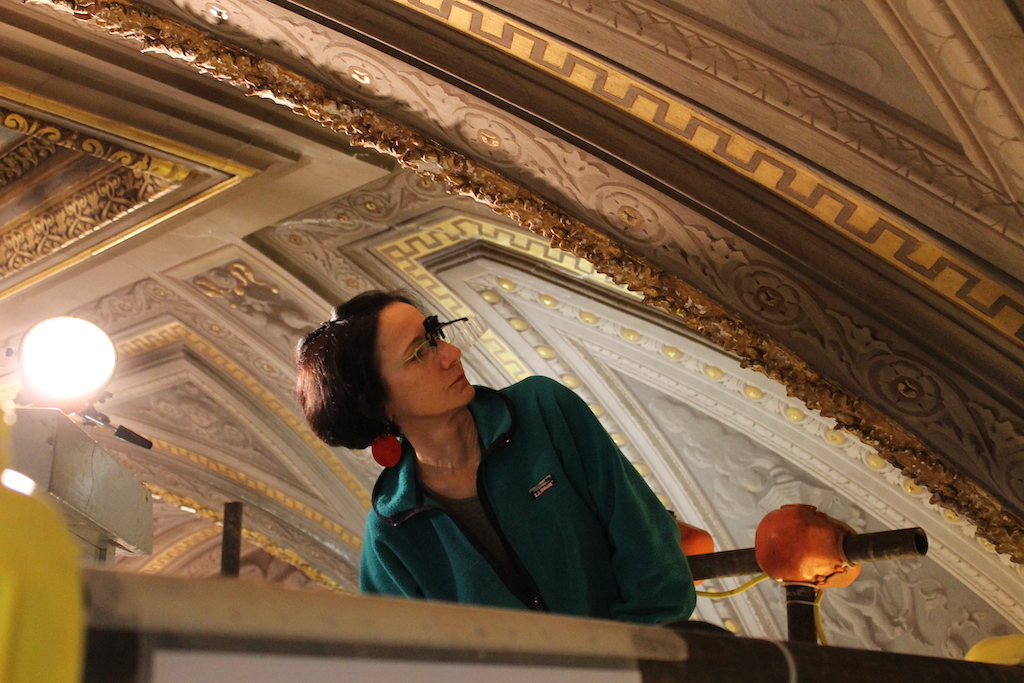
She was the first woman to work in the Paintings and Wooden Materials Restoration Laboratory of the Vatican Museums and, in 2017, appointed to head it as chief restorer. Officially retiring on August 1st she can now take stock of her successful career in one of the most prestigious restoration laboratories in the art world, where she worked for 35 years. In this interview with www.vaticanstate.va, Francesca Persegati retraces the history of the laboratory and shares some memorable challenges during her career.
Could you tell us how your journey into the world of restoration began?
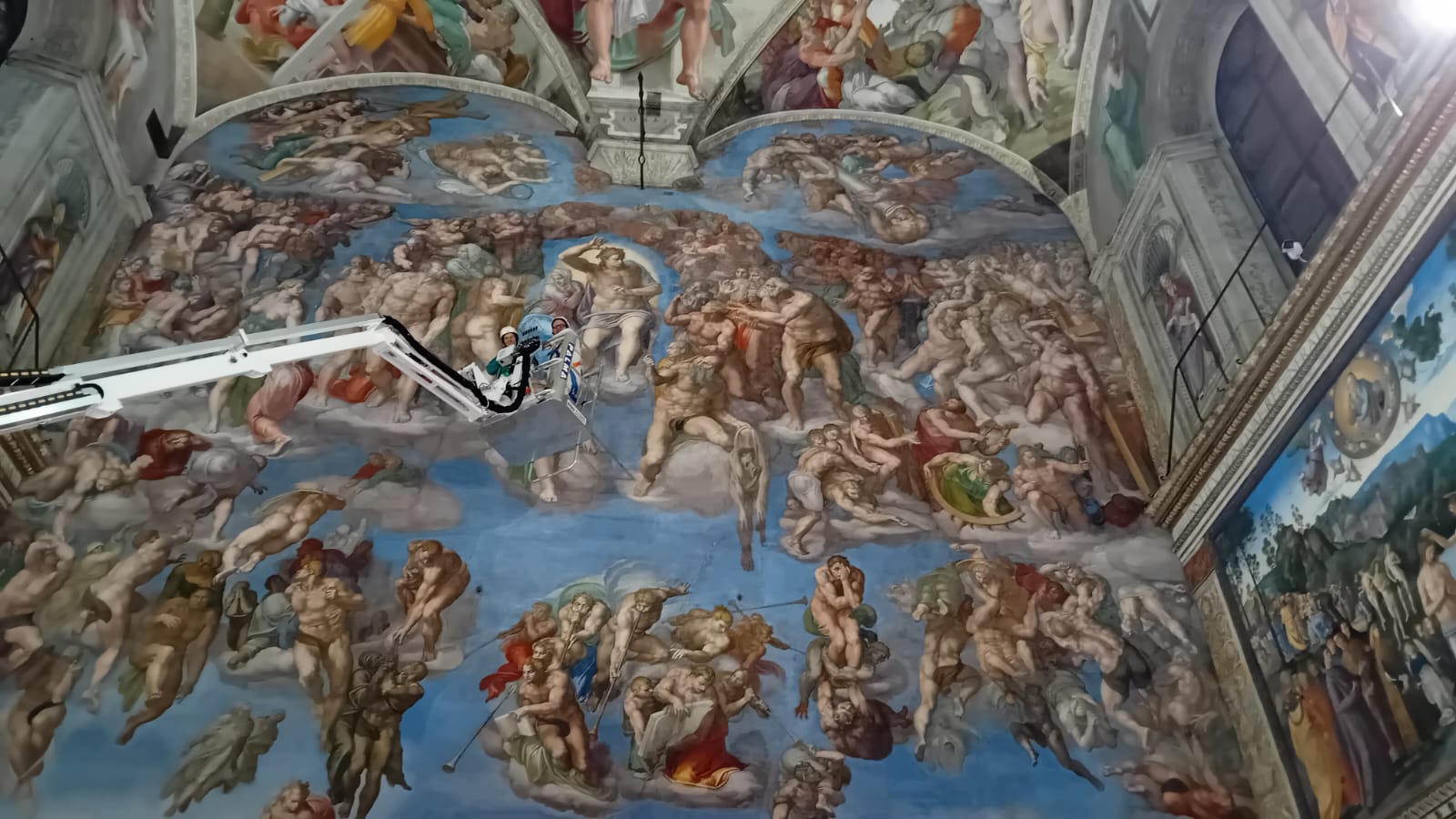
I have always loved the visual arts, starting from my high school education, continuing at the Istituto Europeo di Design, until I decided to take up the challenge of the competitive exam for admission to the highest institution in the field of conservation, the Central Institute for Restoration, which I entered in 1981. Those were the early days of the Sistine Chapel restoration—I experienced all its phases, debates, and controversies and I became passionate about the field thanks also to the professionalism and communicative skills of Gianluigi Colalucci, then Head of the Laboratory and project leader for the restoration of Michelangelo’s frescoes.
What led you to specialize in paintings and wooden materials?
Painting was a major interest since I was very young, so I chose the major in painting restoration rather than the one on archaeological materials (bronzes and terracotta). Back then, training was not as specialized as it is today—it covered all types of painted decorations applied to any kind of surface. Later, while already working at the Vatican Museums and witness the great expanse of its millennial collections, I felt the need to specialize further and earned a degree in Technologies for the Conservation and Restoration of Cultural Heritage at the University of Tuscia.
What has been the most significant restoration project you have worked on?
Every work holds a unique meaning for me—it raises questions, demands attention and curiosity, regardless of its historical or artistic value. Perhaps I would mention the unusual start to my career with my thesis on the conservation of plaster casts (published by L’Erma di Bretschneider in 1987) and the restoration of various casts and models by Canova in the Gipsoteca of Possagno. As you can see, I do not believe in too rigid or narrow specialization: with the right approach to a work—its material makeup as well as its aesthetic and historical polarity—one can deepen understanding to better ensure its preservation. At the time, this was a pioneering topic, which over the years led to a growing recognition of the importance of objects that make up part of the artist’s thinking and creative process, not limited just to the work’s final result.
As head of the laboratory, I oversaw and coordinated other remarkable projects where, together with my colleagues actively working in the field, we engaged in constant dialogue and collectively accepted new challenges.
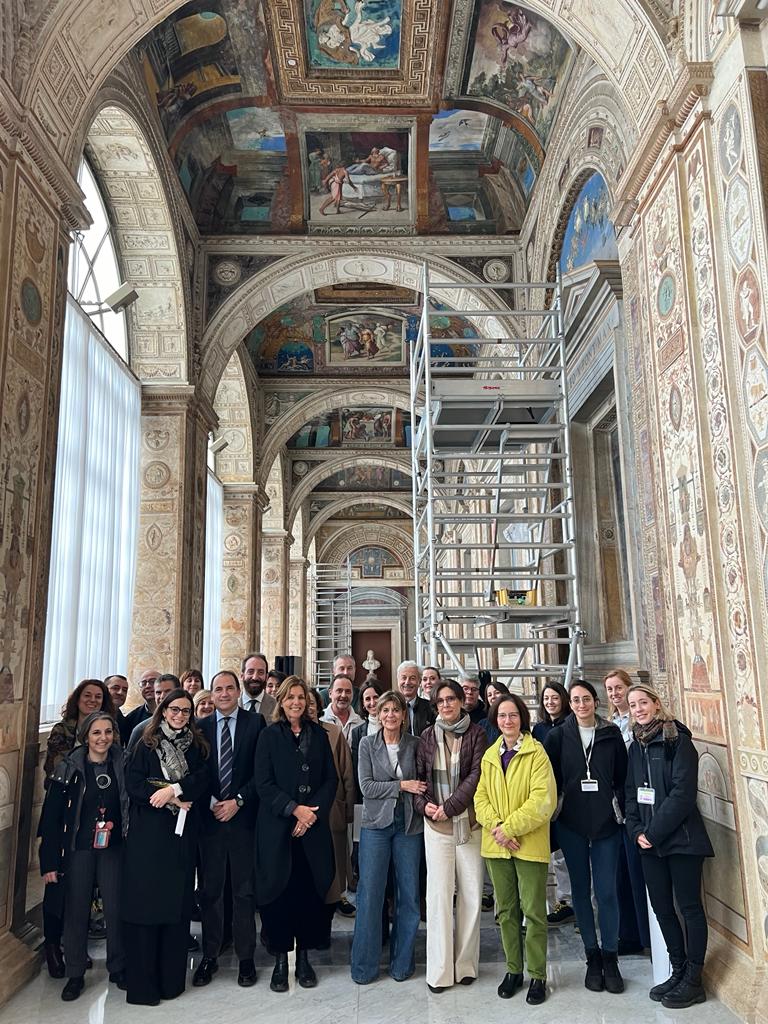
The pilot projects in Raphael’s Loggia in the Apostolic Palace come to mind, closed to the public since the 1970s because the restoration methods of the time could not ensure safe intervention. We solved the problem using laser technology and delicate, meticulous work to clean and reintegrate damaged areas, restoring legibility while respecting the passage of time.
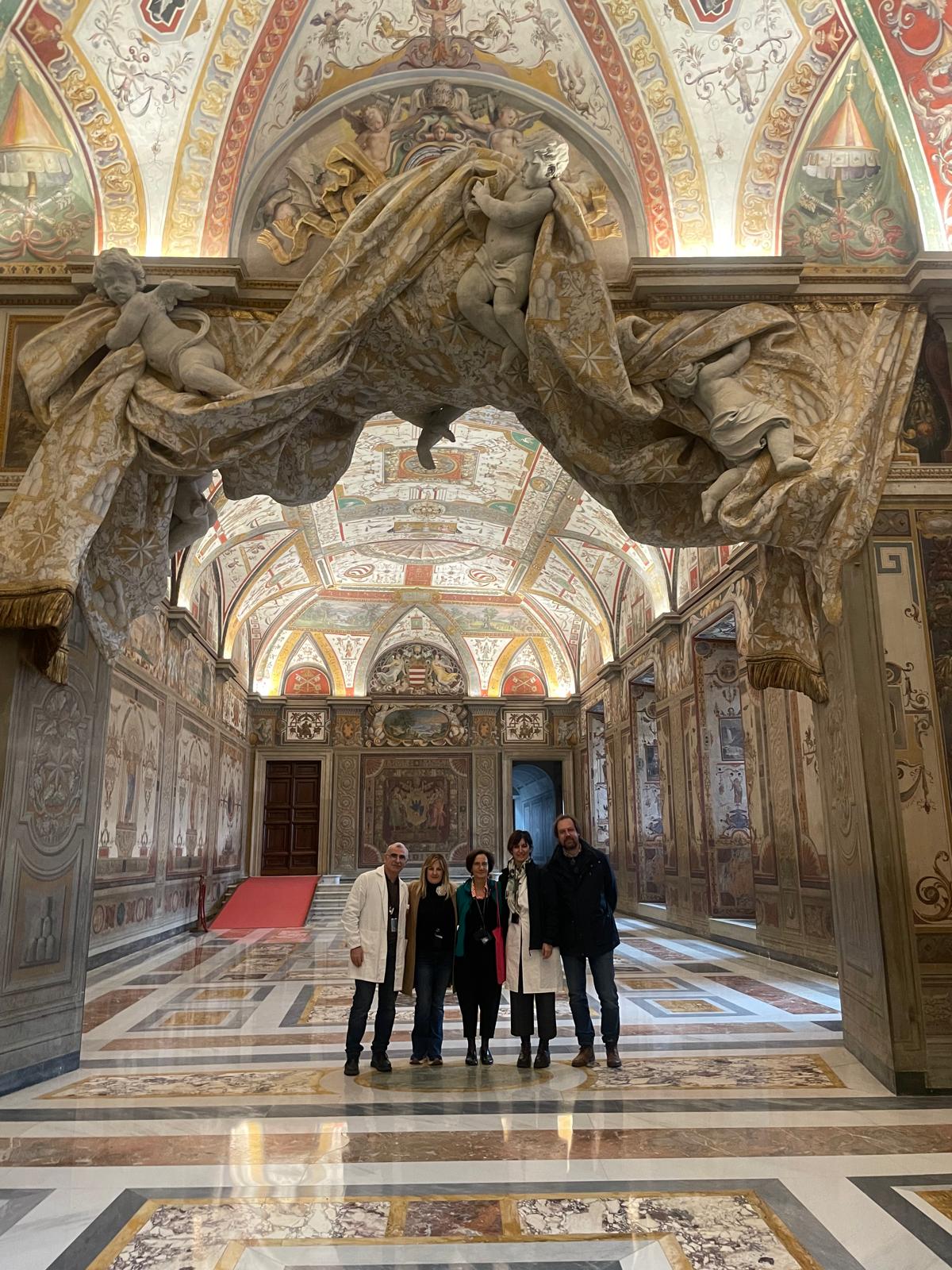
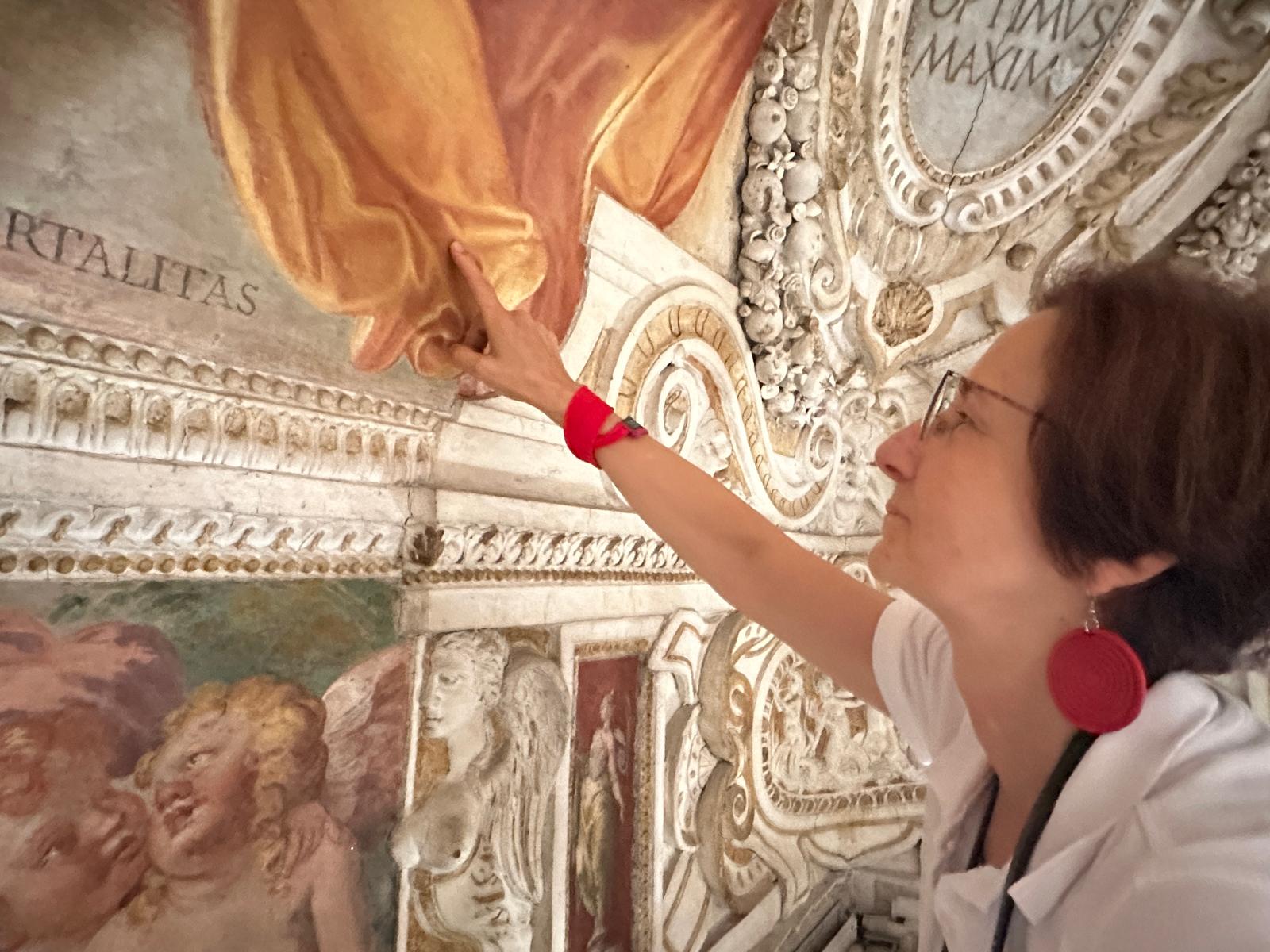
I also recall the restoration site in the Sala Ducale, which began as an emergency intervention and then, over the course of seven years, expanded to include the challenging cleaning and aesthetic restoration of Bernini’s monumental “curtain”—an addition not originally planned. Equally important was the work in the Sala di Costantino, which lasted nine years and gave us a exceptional insight into the working methods of Raphael’s workshop. And just recently, as I was clearing out my office, I became engrossed in studying the Monteluce Altarpiece by Raphael and his workshop—conducting site visits in Perugia, meeting with scholars, and organizing its transport for an exhibition at the city’s Diocesan Museum. Even without physically working on the pieces, this experience for me personally was exciting and unique.
Have you ever faced an especially complex or delicate intervention? How did you handle it?
There have been many. One example is the restoration of the Vatican Museums’ Funerary Shroud from the 3rd century AD known as La Dame du Vatican, originating from Antinoë, Egypt (painted linen, height 173 cm). It is the only example in the Vatican and in Italy of a painted funerary shroud that wrapped a mummy, depicting a full-length female figure. We needed to find a way to ensure its preservation without interfering with the original materials, while keeping visible every detail that testified to its use. I opted as much as possible for natural materials, reversible interventions, and the possibility of studying the back, while also employing modern tools such as the low-pressure table to minimize stress on the depolymerized fabric and fragile pigments.
But the beauty of my work lies in the variety of art works, both in materials and in their historic periods. I must also mention interventions on contemporary works, which require even more of what someone described—commenting on our work at a conference —as “a holistic approach”, that is, understanding whether technical features that would be signs of deterioration in ancient works are, in these cases, intentional effects by the artist to heighten drama or assessing whether intervention can risk altering the artist’s message and intent. Work on 19th-century wall paintings or on canvases by Sironi, Buffet, or Hantaï confronted me with many questions—both interpretive and methodological—which were truly fascinating.
How have restoration methods changed over the years? Are there techniques or technologies that have impressed you particularly?
In over 40 years, there has been significant development focused on health, environmental sustainability, compatibility with original materials and minimal invasiveness. One example is evolving laser cleaning equipment, which removes surface deposits without solvents or aqueous solutions, using a physical process of sublimation. We began using them extensively at the start of the millennium for the restoration of the painted and stucco decorations in the Pauline Chapel of the Apostolic Palace. We used four different types, depending on the support and the materials overlying it, constantly exchanging feedback with manufacturers to optimize the devices. This led to exponential improvements, which by 2019 enabled us—after 50 years of inactivity—to identify a suitable cleaning method for the delicate and damaged Raphael’s Loggia in the Apostolic Palace.
Have you contributed to developing new methodologies in the laboratory?
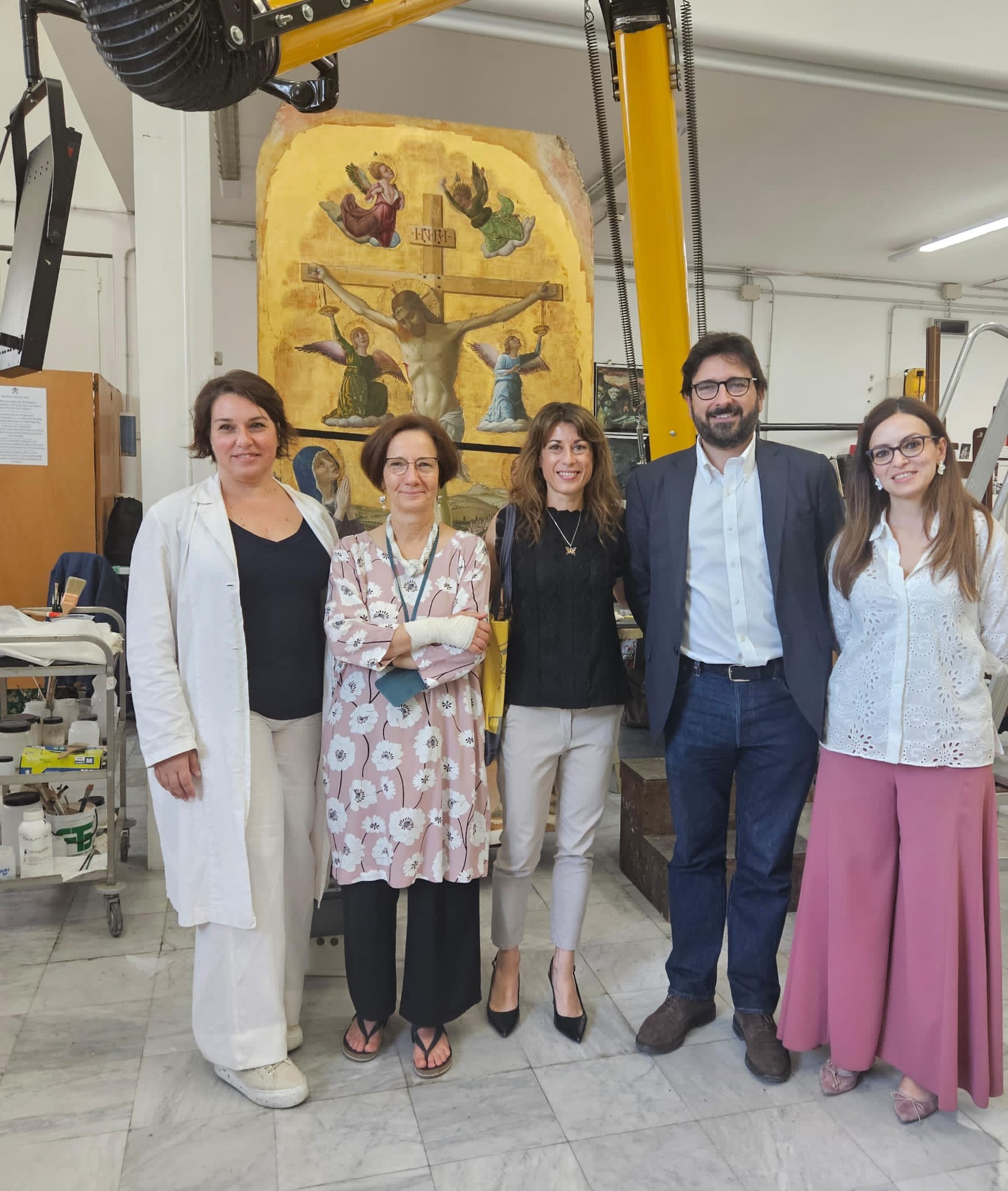
I have technology innovation with keen interest which usually means research and collaboration with other professionals, even from very different fields. For the restoration of Niccolò di Liberatore’s beautiful polyptych known as the Montelparo Polyptych, I collaborated for two years with an architect—skilled as a blacksmith—on designing a new support structure using different steel and aluminum alloys. The goal was to create a system with various types of anchoring that would leave all the painted or gilded wooden parts free, allowing for partial removal if necessary, and operable from the front without tools—over 60 elements in total, covering an area of 8 square meters.
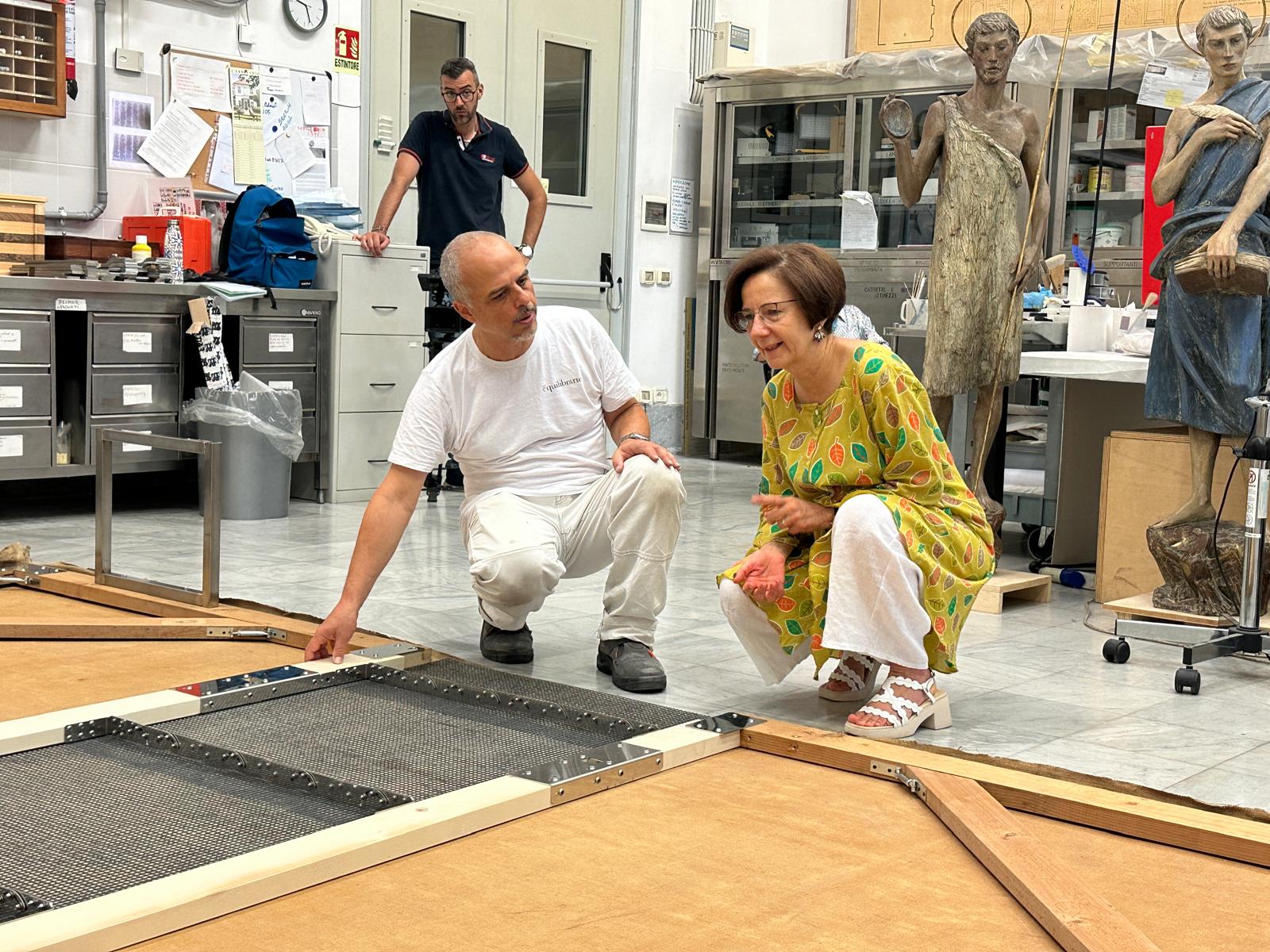
In recent years, we also worked with a restoration company to create a unique new foldable stretcher – an industry milestone - for oversized paintings, allowing the temporary curving of a canvas during transport. As laboratory head, I also encouraged colleagues to stay updated in various fields; most recently, a team has been experimenting with new types of cleaning supports to optimize solvent contact with a work without excessive residue or risk of retention.
How important is collaboration with art historians, chemists, or technical photographers in your work?
It is essential. Restoration is acquiring knowledge and growth. This comes before any practical intervention and is enriched as the work progresses. This requires interaction with those who study the work’s message—artistic or historical—those who document it (historical photographs are still invaluable in understanding conservation history), and those who investigate materials, alterations, and techniques. A mosaic of expertise working toward for a shared goal.
Is there a restored work that has stayed in your heart? Why?
In the Sanctuary of the Holy Stairs at the Lateran, the Acheropita image of Christ kept in the Sancta Sanctorum, (panel—front and back—and frame—inside and outside—dating from the mid-5th to 6th century AD). A multi-material work of historic religious significance, which required collaboration with the Wooden Artefacts Restoration Laboratory, the Tapestry and Textile Restoration Laboratory, the Metals and Ceramics Restoration Laboratory (all within the Vatican Museums), and the leather restoration sector of the Central Institute for Restoration in Italy. A complex object of highest devotion, the result of centuries of additions, each potentially holding specific devotional meaning, which we sought to understand while respecting its value as a “relic.”
What are the most important “non-technical” skills in this role?
As the head of a laboratory—with a minimum of 26 restorers to up to 40 for the monumental wall painting projects—you need skills in personnel management, strategic planning, administrative practices, health and safety oversight, IT development, encouraging continuing education by participating in conferences and publications, interacting with department curators and engagement with a variety of scientific disciplines.
How do you imagine your new life in retirement? Projects, dreams, continuity with the past?
The laboratory was an integral part of my life for the past 35 years. I plan to keep in touch with colleagues and curators with whom I share friendship and common goals. I will finally have time to delve deeper into research and publish my work. I will provide scientific and artistic consultancy in the field of art and heritage conservation. Also, I am very glad to resume teaching at an American university campus—Trinity College Rome Campus—where in 2006 I established an Art Conservation course, which I had to leave upon becoming Chief Restorer at the Vatican Museums. I plan to attend conferences to stay updated and lastly, will dedicate time to a monographic catalogue on the painter Enzo Catapano. Last but not least, and above all, I will share with my husband our interests, travels, humor, passion for music, culture, and contemporary art—without the rush of pressing commitments. We will follow our daughter Beatrice’s journey in life. I wish to remain open to all kinds of new experiences that challenge the world around us with the desire to be an active part in contributing to its preservation.