

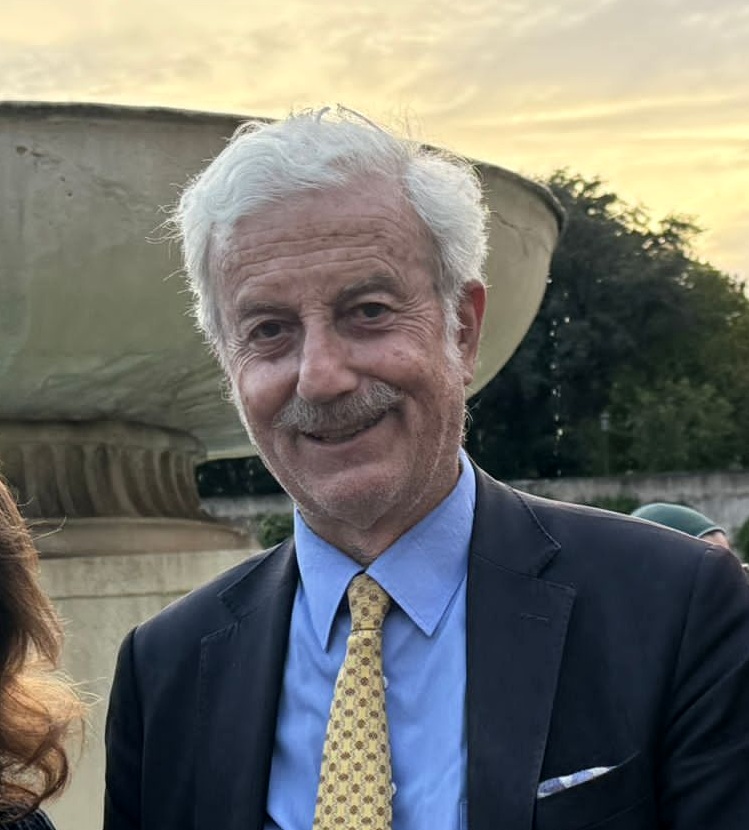
In conversation with Giandomenico Spinola, Deputy Director of the Vatican Museums

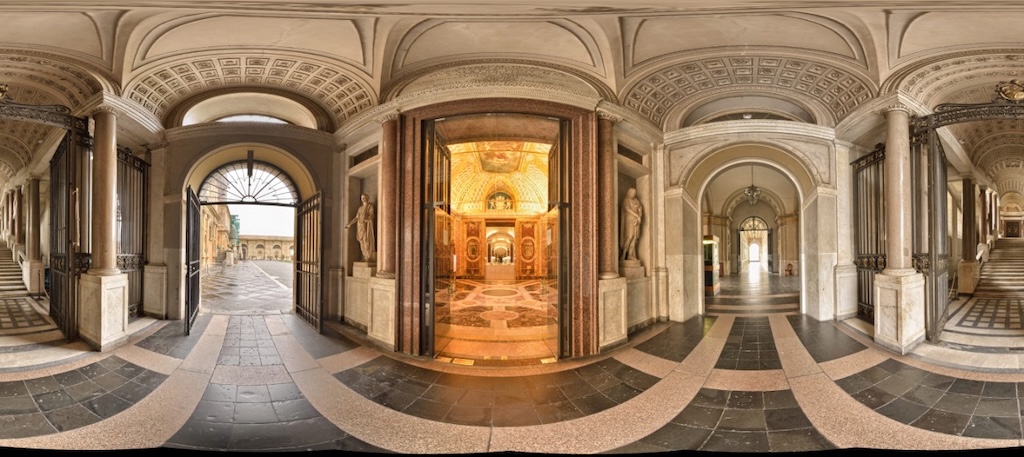
The restoration of the sculptural displays in the Atrium of the Quattro Cancelli [Four Gates]
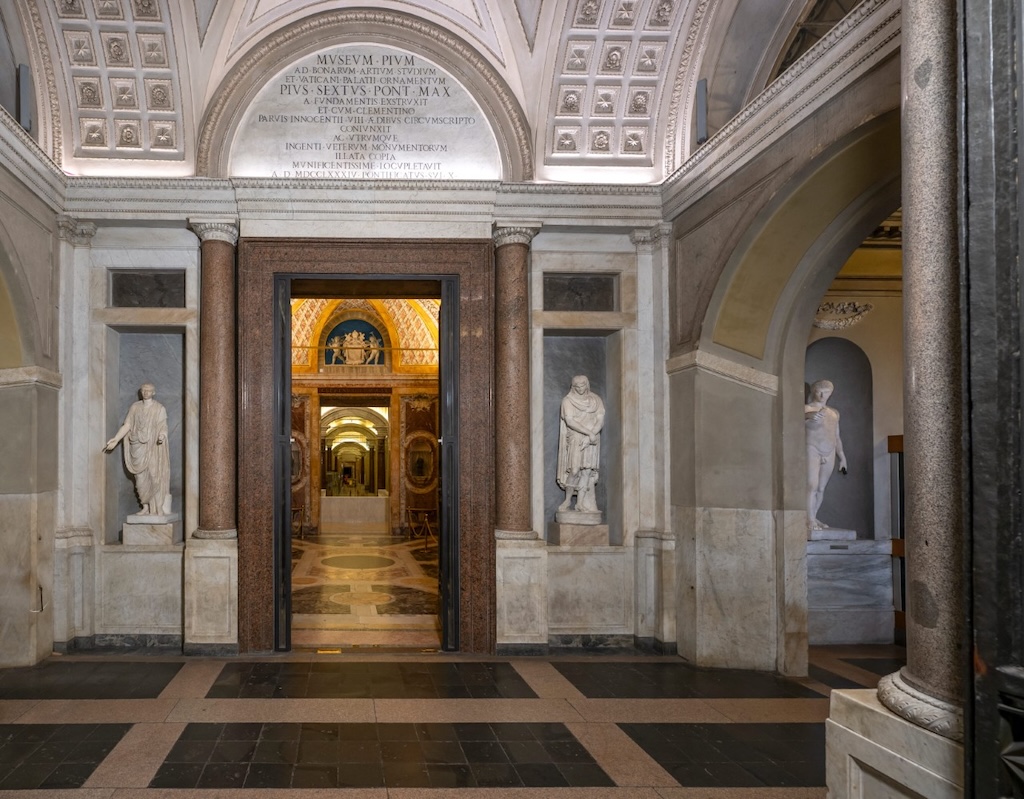
Twelve statues and two sarcophagi: these are the sculptural artefacts housed in the niches of the Atrium of the Four Gates and at the base of the Simonetti Staircase in the heart and main passageway within the Vatican Museums. Recently restored between 2023 and 2024, it is now possible to monitor and study in detail works that had long been awaiting. In this interview with www.vaticanstate.va, Professor Giandomenico Spinola, Deputy Director of the Vatican Museums’ Artistic-Scientific sector, discusses the project.
What was the main reason for initiating the conservation project at this time?
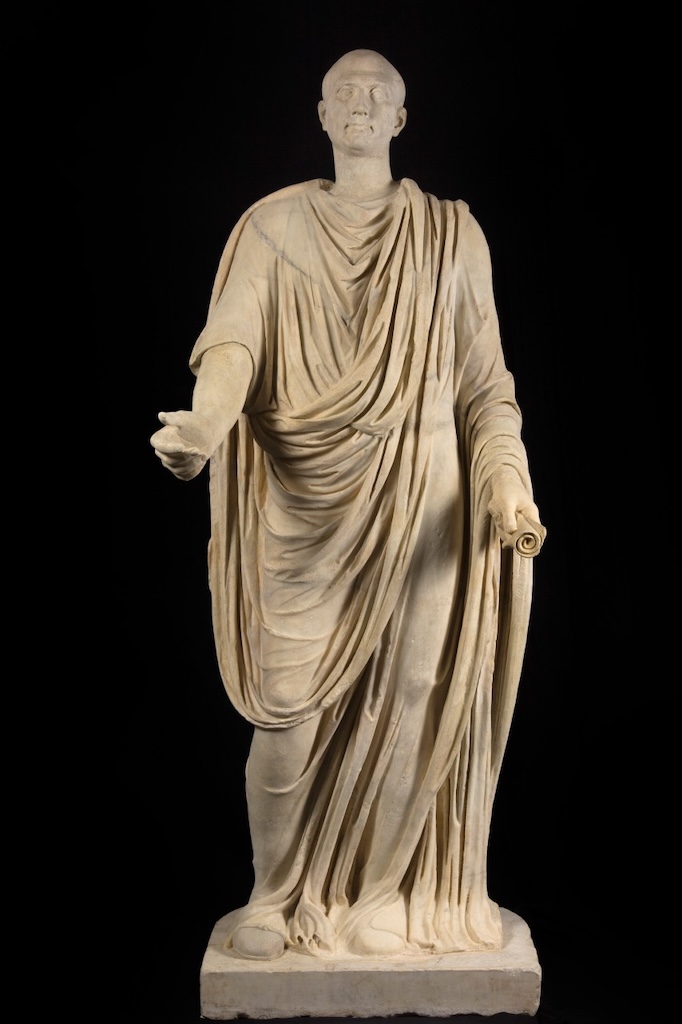
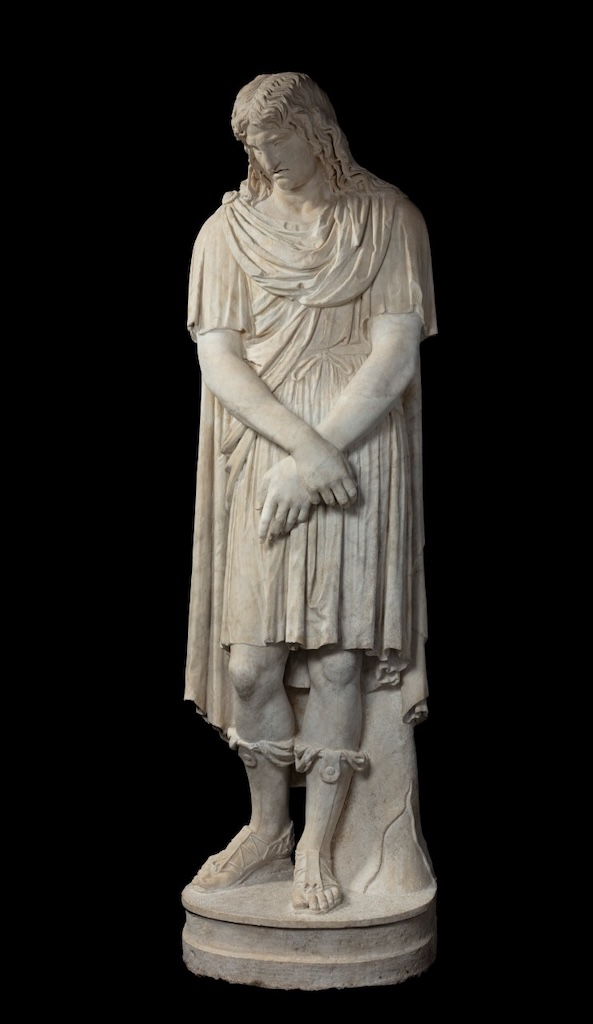
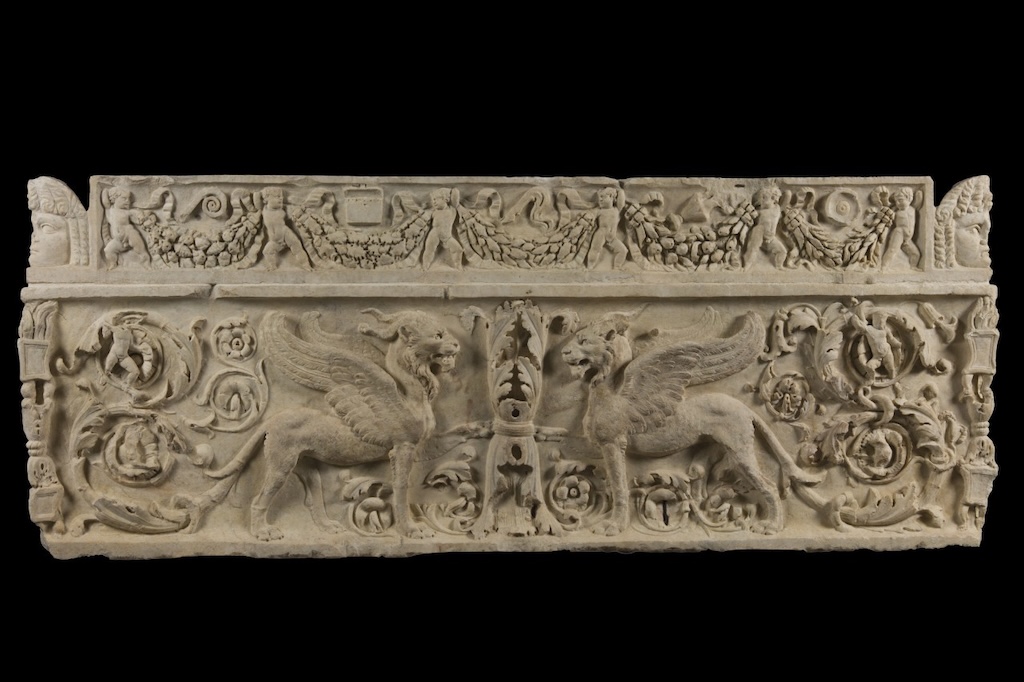
The total number of restored sculptures are fourteen: twelve statues and two sarcophagi. They include: a statue restored as Meleager (inv. 150); an Ares “Borghese type” with an unrelated head of Emperor Claudius (inv. 152); a statue with the torso of the Doryphoros and an unrelated portrait of Emperor Titus (inv. 153); a male statue inspired by the so-called Diomedes of Cumae with an unrelated young head (inv. 155); an athlete with an unrelated head of Hermes (inv. 156); a togado figure with an unrelated portrait (inv. 158); a Heracles with an unrelated head (inv. 159); another togado figure with an unrelated portrait (inv. 161); a young togado figure with an unrelated head of Tiberius Gemellus (inv. 162); a statue of a barbarian (inv. 163); another athlete with an unrelated head of the Discophoros (inv. 164); another statue of Heracles at rest (inv. 164); a sarcophagus with confronted griffins and its lid decorated with sacrificial instruments (inv. 166); and another sarcophagus with erotes clipeophoroi (inv. 167). These sculptural displays belong not only to the niches of the Atrium of the Four Gates but also to the base of the adjacent Simonetti Staircase.
None of the marble sculptures listed had been recently subjected to restoration or thorough cleaning, despite their role in welcoming visitors to the Pio Clementino Museum, the precious original core of the Vatican Museums complex. This careful restoration was therefore necessary to properly present our collections from the very start of the visitor’s journey, while also providing an opportunity to monitor and study in detail works long overlooked.
What was the condition of the sculptures prior to the intervention?
The space of the Four Gates, as its name suggests, is a hall with four openings, two of which face open-air areas. This layout meant that the sculptures were almost directly exposed to seasonal climate changes, as well as to the passage of visitors and, occasionally, service vehicles. Such environmental conditions resulted in significant accumulation of dirt on the works, as well as deterioration of some wooden and metal elements added or inserted into the sculptures at the end of the 18th century. Since the sculptures had been heavily reworked and integrated during that period, the condition of the metal pins that held together the different marble components was particularly concerning. These often became oxidized, causing lifting and detachment of the parts.
How was the group of works selected for restoration?
The team of the Department of Greek and Roman Antiquities – with Claudia Valeri as curator and Eleonora Ferrazza, Leonardo Di Blasi, Sabina Francini, and Clara Di Fazio as assistants – collaborated both in preparing the procurement proposal, in selecting the company to which the work would be awarded, and in supervising the proper execution of the project. Naturally, all the technical aspects of the offer and its subsequent restoration were carried out under the supervision of the Stone Materials Restoration Laboratory, directed by Guy Devreux.
Following the selection process, the company Kavaklik was chosen, both for its cost proposal and for the type of intervention it suggested. Kavaklik had already collaborated with the Vatican Museums in the past, demonstrating professionalism, expertise and technical ability, and thus offered solid guarantees for a project consistent with our criteria and needs. In fact, a large part of the work required moving the sculptures to the restoration laboratory, which involved close collaboration with our restorers.
Could you briefly outline the history of the Atrium of the Four Gates and its role in the musealization of Roman sculpture?
The Atrium of the Four Gates was designed in 1786 by the architect Giuseppe Camporese (1763–1822) and is among the last creations of the Pio Clementino Museum. Its construction required the removal of the fine portal of the Courtyard of the Archives, in place since the pontificate of Paul V (1605–1621), and began simultaneously with the construction of the Hall of the Chariot above. The imposing structure has a Greek-cross plan, with niches for statues on either side of each arm. The building’s exterior recalls certain 16th-century ecclesiastical architectures with central plans, though reinterpreted on a smaller scale and in more academic forms (as with the nearby Greek-Cross Hall). The monumental character of the entrance to the Atrium of the Four Gates is emphasized by the portico facing the gardens, framed by two ancient reused cipollino marble columns. The entrances were soon closed with iron gates, and by around 1813 the installation of the statues in the niches was also completed.
Initially, like the earlier portal, the structure served as a monumental passage to connect with the “Library Corridor.” Only from 1870 did it function as the entrance to the Vatican Museums, through Via delle Fondamenta behind St. Peter’s Basilica, to avoid the large flow of visitors inside the Vatican Palaces. This entrance remained in use until 1932, when the great new entrance portal along the Vatican walls and the subsequent Spiral Staircase were built. At that time, a wing of a portico was added to the west side of the Atrium of the Four Gates, connecting it with the newly built Spiral Staircase and Pinacoteca. Today, the modern terminal wing of the 1930s entrance to the Vatican Museums – very different from earlier structures – is joined to the contemporary portico, right where it meets the Atrium of the Four Gates.
As for the musealization of the sculptures, it should be remembered that throughout the Pio Clementino Museum, the works are in direct dialogue with the architecture: the sculptures “furnished” the architecture, and the architecture exalted the sculptures. Their installation in these neoclassical spaces was intended to recreate what in the 18th century was perceived as an explicit evocation of antiquity.
Did any iconographic or stylistic elements emerge more clearly after the restoration?
As mentioned, these are works that were heavily “reworked” with integrated pieces in the 18th century, composed of both ancient and modern parts unrelated to one another. In most cases, dismantling these components was avoided, as it would have required a far more complex process and, above all, would have exposed the works to risks. Nonetheless, subjecting the sculptures to careful and thorough autoptic examination, supported by the Scientific Research Cabinet (under Fabio Morresi), allowed us to verify in detail both their conservation state and the stylistic quality of their constituent elements. Each work underwent analytical examination; each component was assessed and studied individually. Sometimes this confirmed previous hypotheses with greater scientific precision, while results led to modifications of earlier theories.
How has the public’s perception of these works changed after the restoration?
Visitors will now have the clear impression of encountering a rich and refined display, shaped by neoclassical taste and exhibition principles. Above all, they will notice that the works are of higher quality than previously perceived (for those who had seen them before). The sculptures now present a greater sense of unity, as the integrated parts are distinguishable only to expert eyes: stucco work has been revised, and the ancient patinas, revealed again through cleaning, now blend much more harmoniously thanks to surface treatments carried out during the final phases of restoration.
The only regret is that we have not yet been able to restore the architecture of the Four Gates itself. For both the public and ourselves, there is a clear contrast between the brightness of the marble surfaces and niches, now luminous after cleaning, and the differing condition of the plaster and stucco on the rest of the walls and vaults. However, this is simply a matter of patience: architectural restoration is already planned and will soon bring coherence to what has already been achieved with the sculptures.
Did the restoration involve changes in the arrangement of the Atrium?
The restoration did not result in significant changes to the arrangement, apart from a few details. Some niches, whose backgrounds had been damaged and made irregular by the anchoring of the sculptures, were properly readjusted, and the works were consequently repositioned more correctly and securely. One sarcophagus – at the base of the Simonetti Staircase – was in a precarious location, having suffered various damages caused by visitor traffic and, above all, by internal passage toward storage service areas. It was therefore decided to move it and place it on display in the Gregorian Profane Museum (formerly Lateranense), where it will be safeguarded and better valued.
How is the long-term conservation of these works on display ensured today?
The best guarantee is certainly regular maintenance and dusting of the exhibition areas. For many years now – with only short pauses due to administrative and legal requirements – the Vatican Museums have contracted companies (through procurement processes regulated by the “Norms on transparency, control, and competition for public contracts of the Holy See and the Vatican City State”) responsible for periodic maintenance. These companies provide teams of restorers who dust and carry out minor interventions on works along the entire museum route, as well as in storage areas, operating periodically in the different sections. On these occasions, we are also given detailed reports on the state of the displays, with very useful notifications of damage or risks, allowing us to intervene promptly.
Naturally, these activities are supervised by the Vatican Museums’ Office of the Conservator, directed by Marco Maggi, who with his team oversees maintenance and monitors all areas under the responsibility of the Museums.