

In the Conference Hall of the Vatican Museums: Seminar on the Protection of Minors and Vulnerable Persons

The vatican legal system expanded for the protection of minors
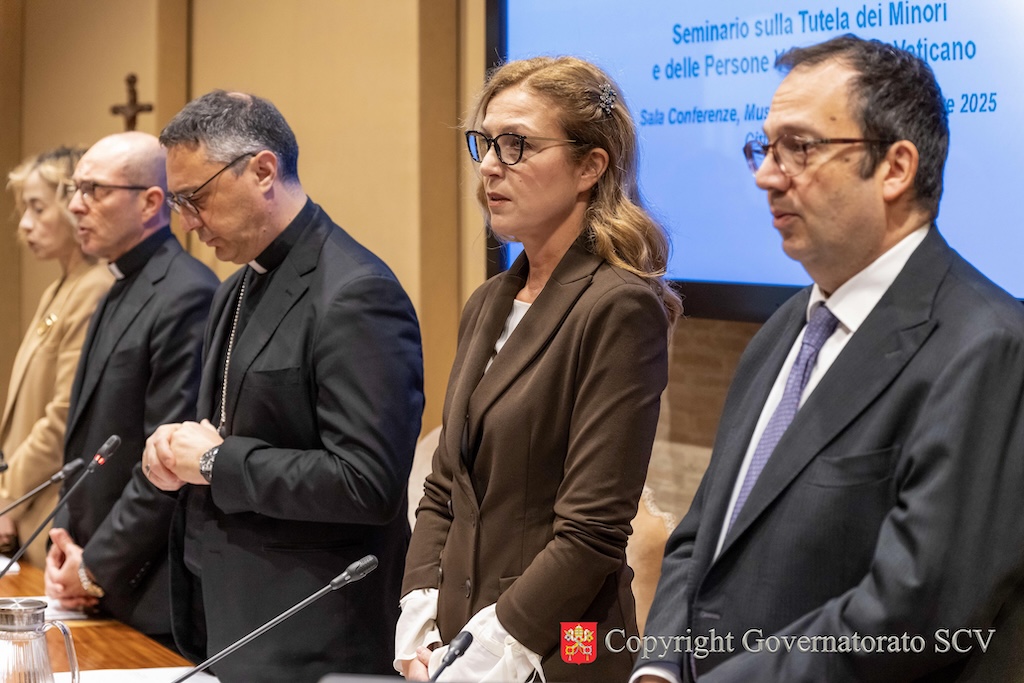
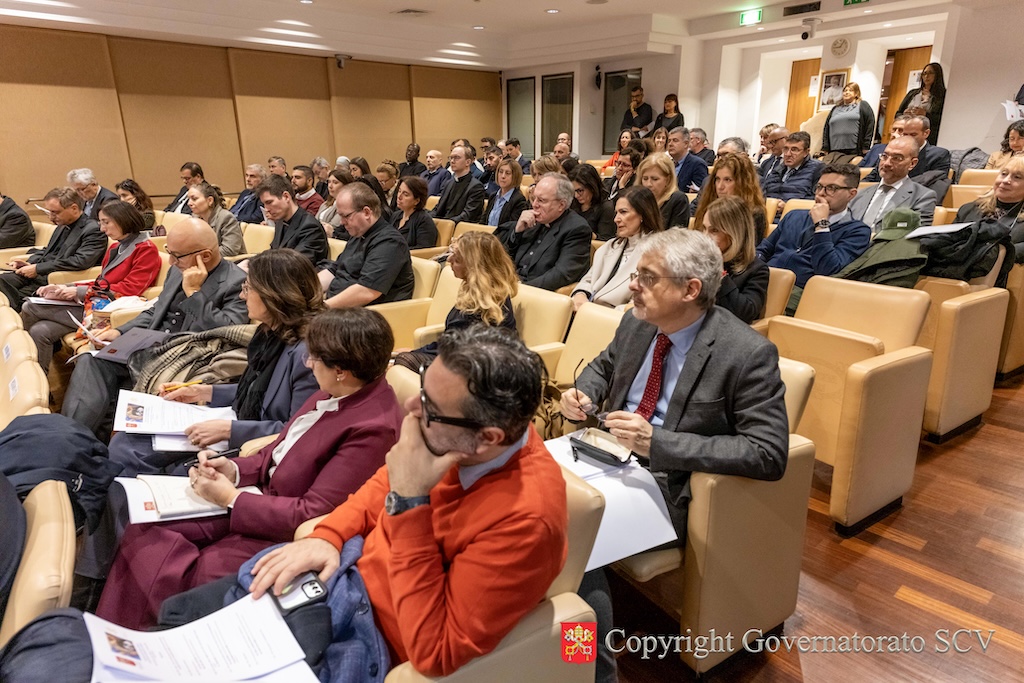
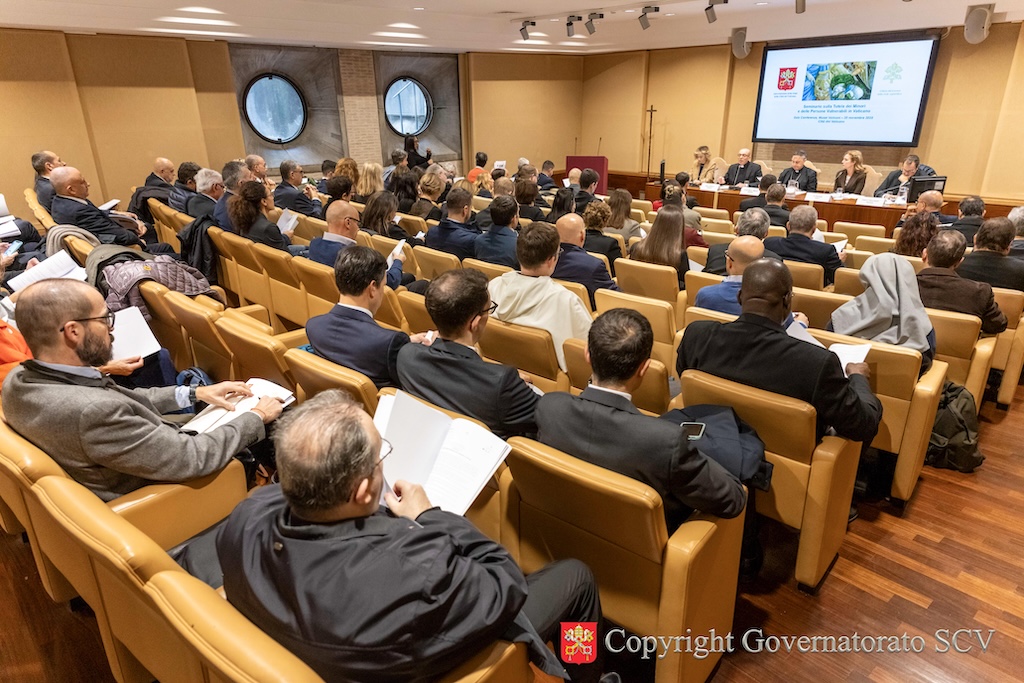
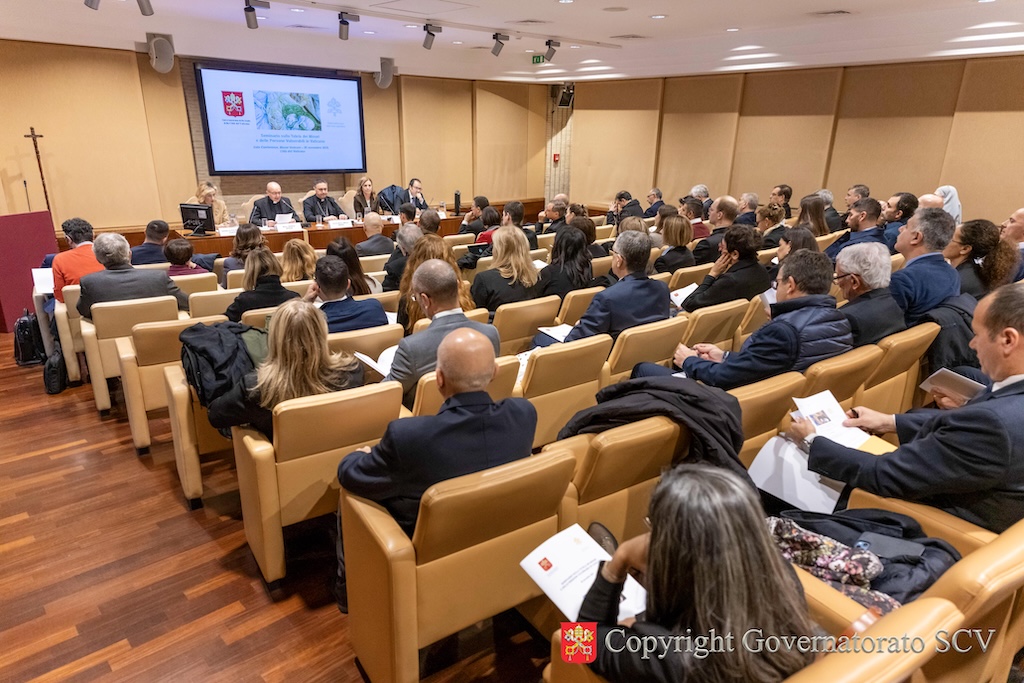
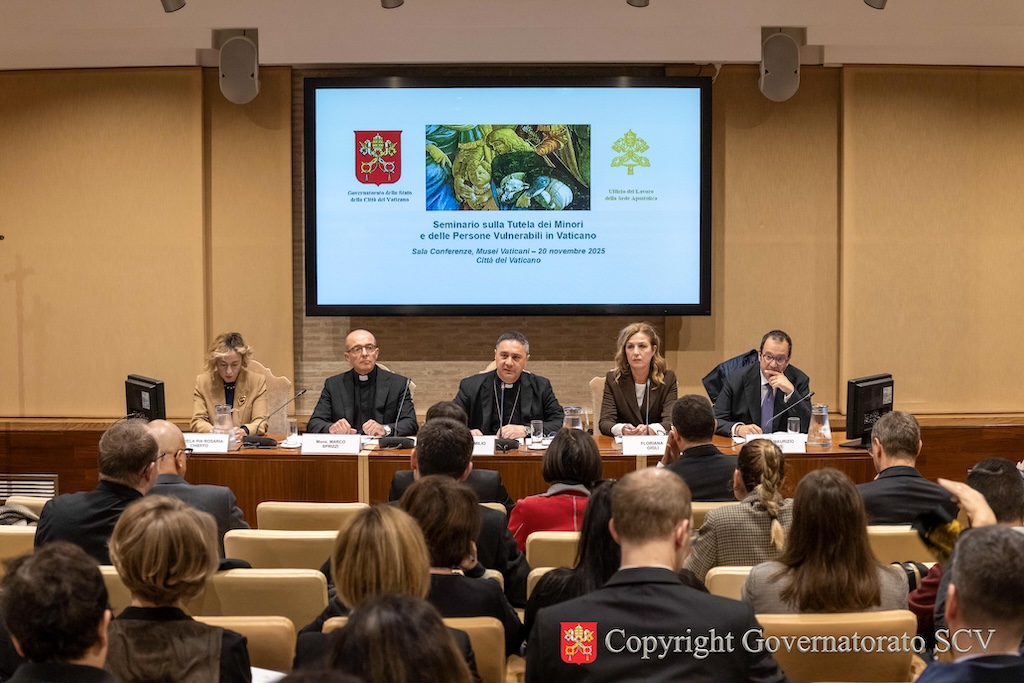
In the Conference Hall of the prestigiousVatican Museums, on the occasion of World Children’s Day, Thursday, November 20, the Seminar on the Protection of Minors and Vulnerable Persons was held. The event was organized by the Office of Labor of the Apostolic See (ULSA), in cooperation with the Accompaniment Service of the Governorate of Vatican City State, and was addressed to the staff of the Roman Curia, institutions connected with the Holy See, and the Governorate itself.
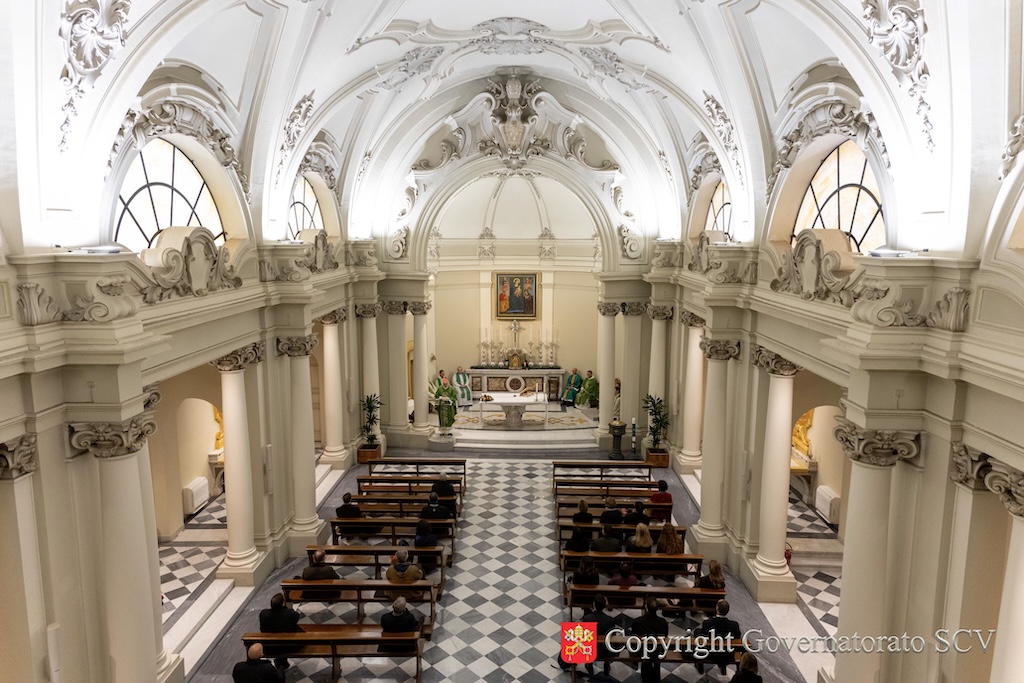
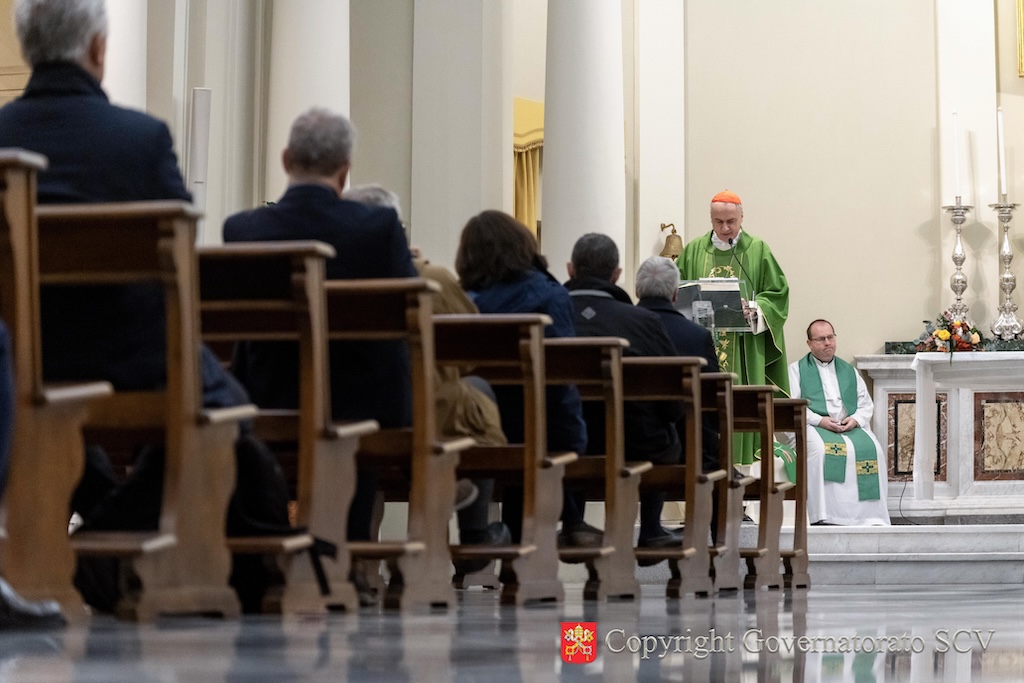
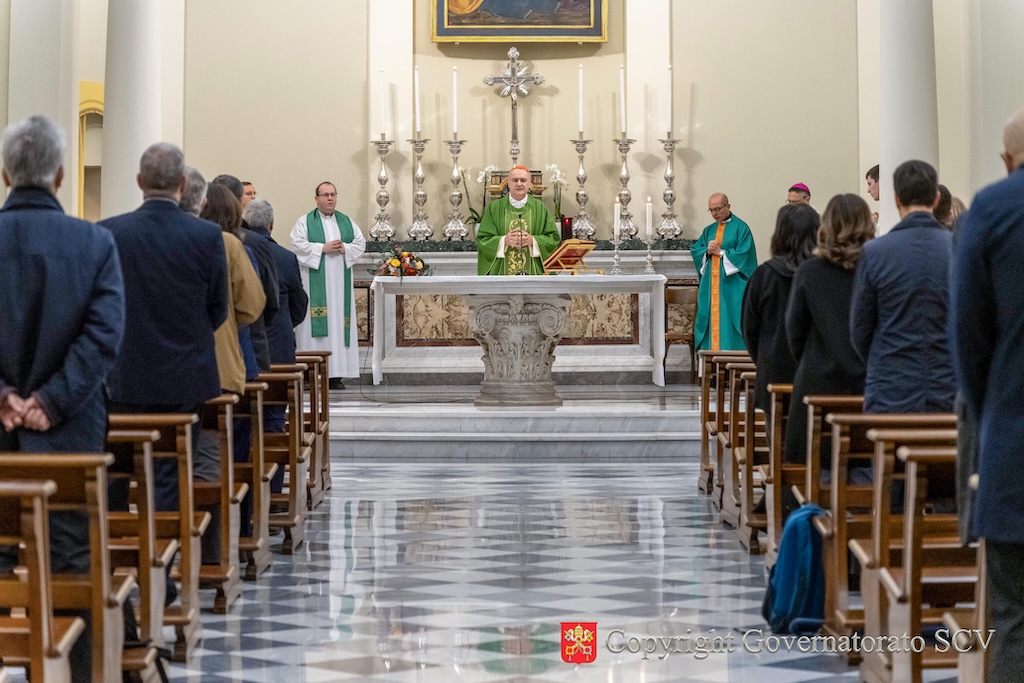
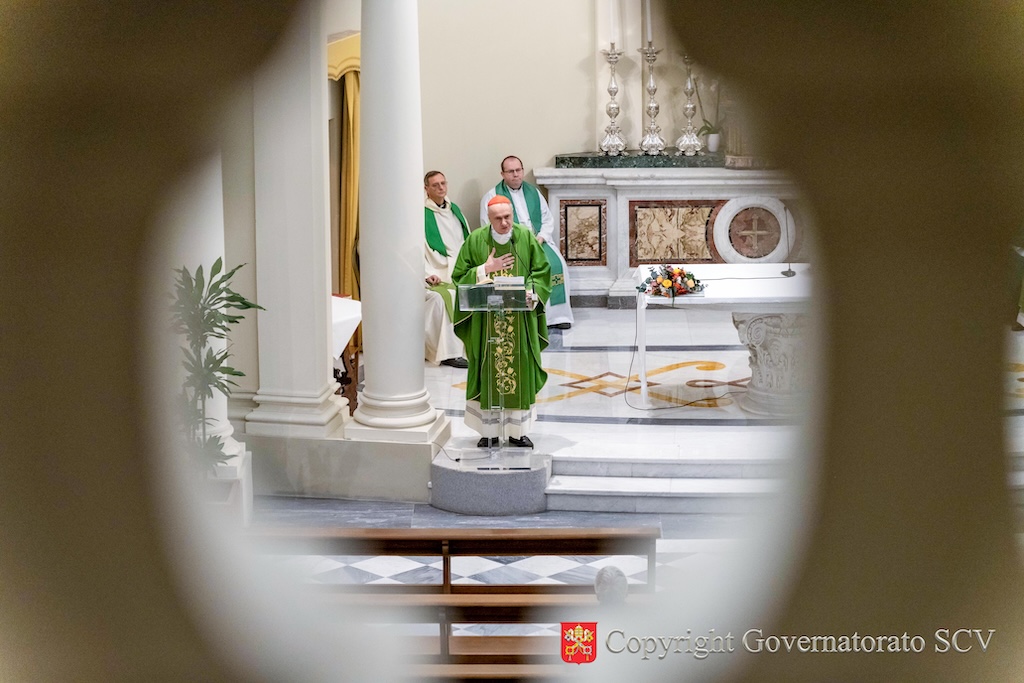
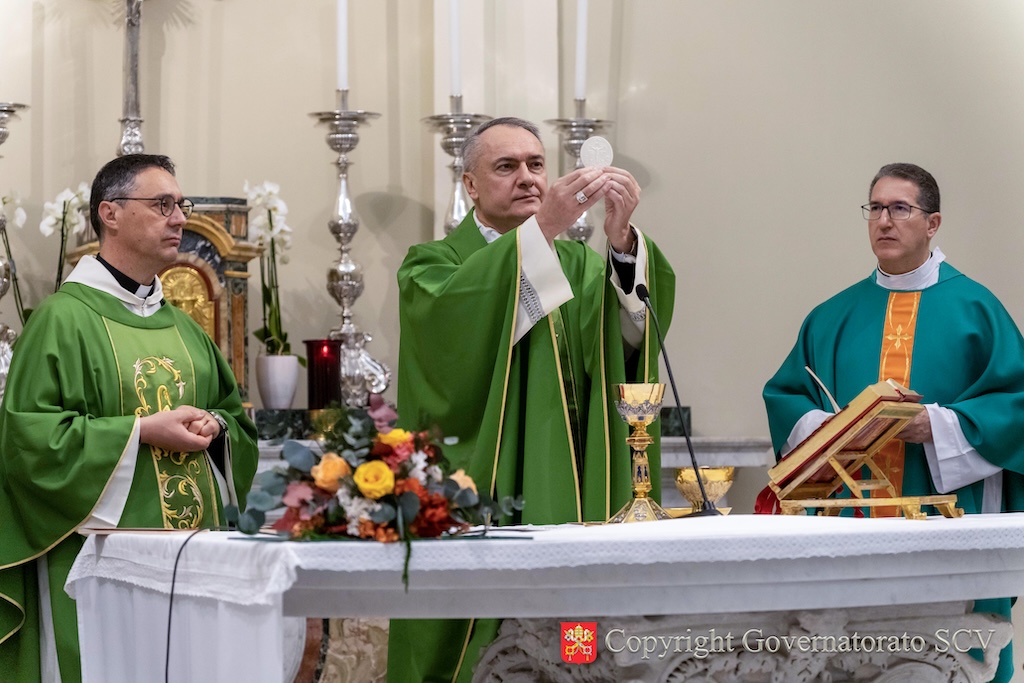
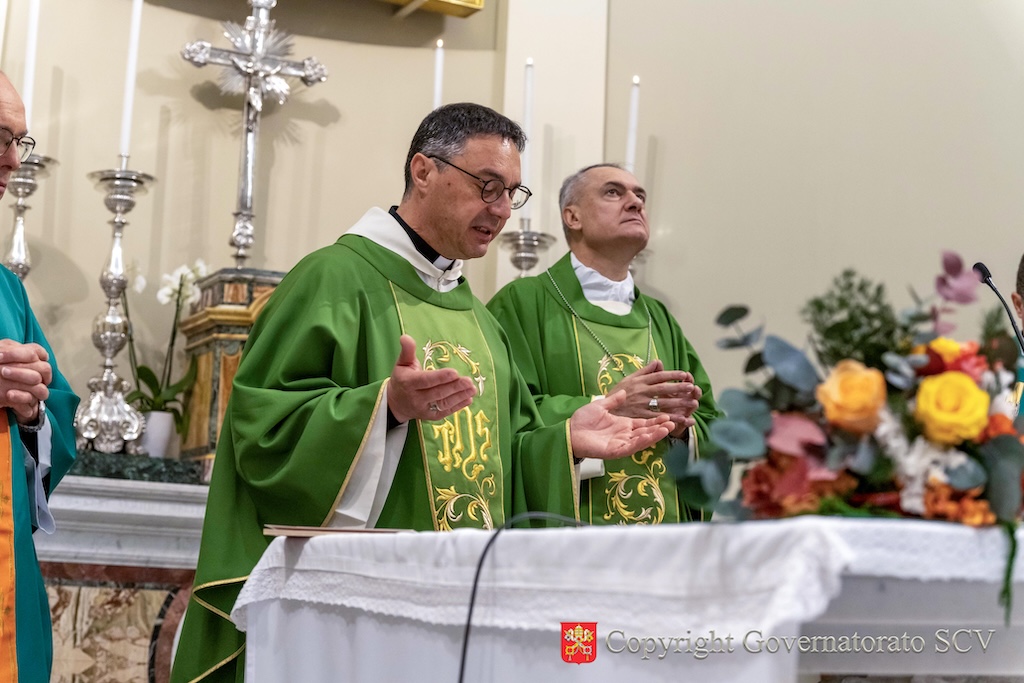
The event opened with the blessing of Cardinal Mauro Gambetti, who presided over the inaugural Holy Mass in the Church of Mary, Mother of the Family, in the Governorate building.
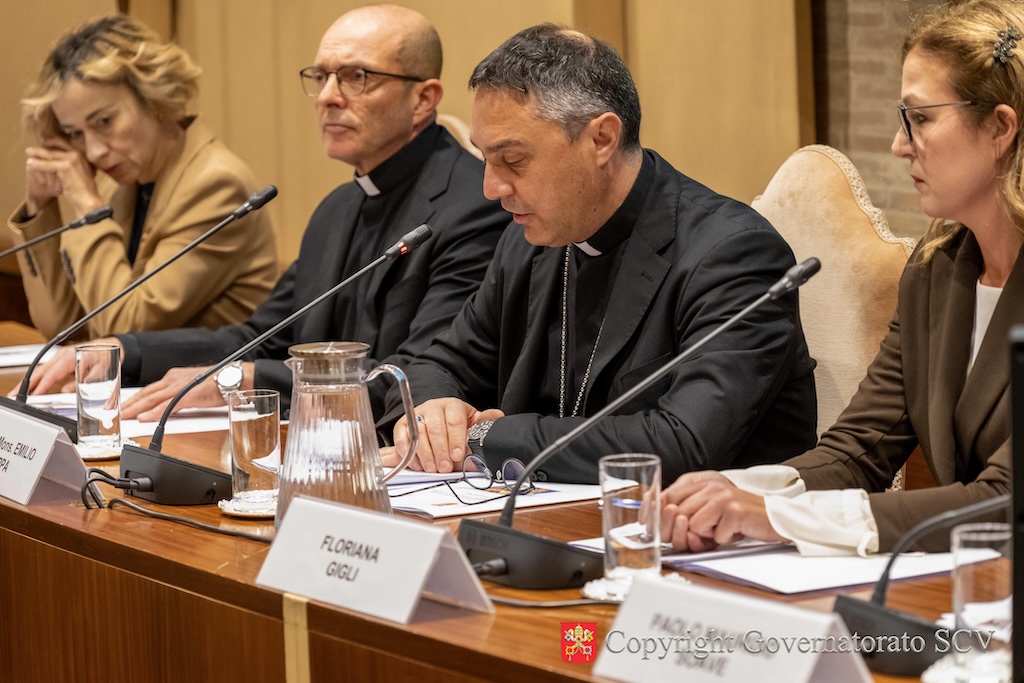
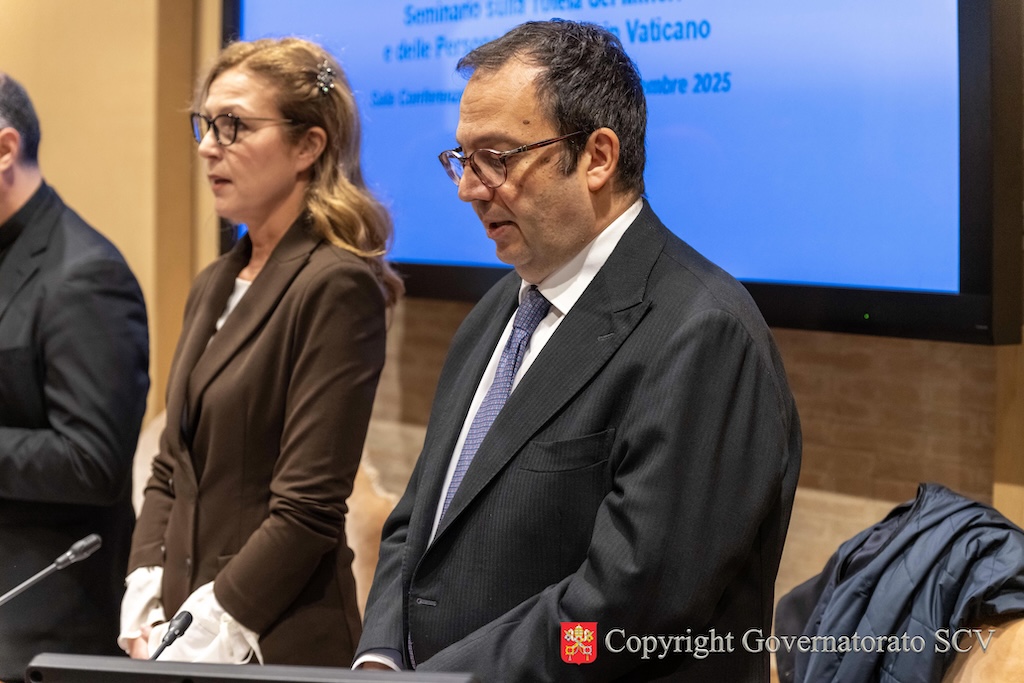
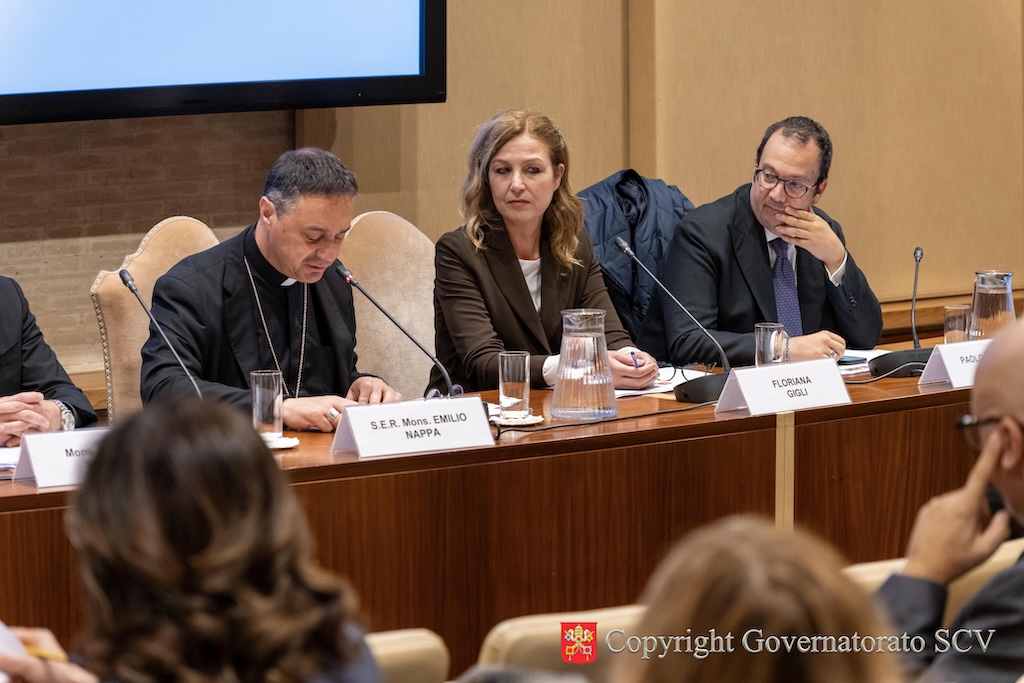
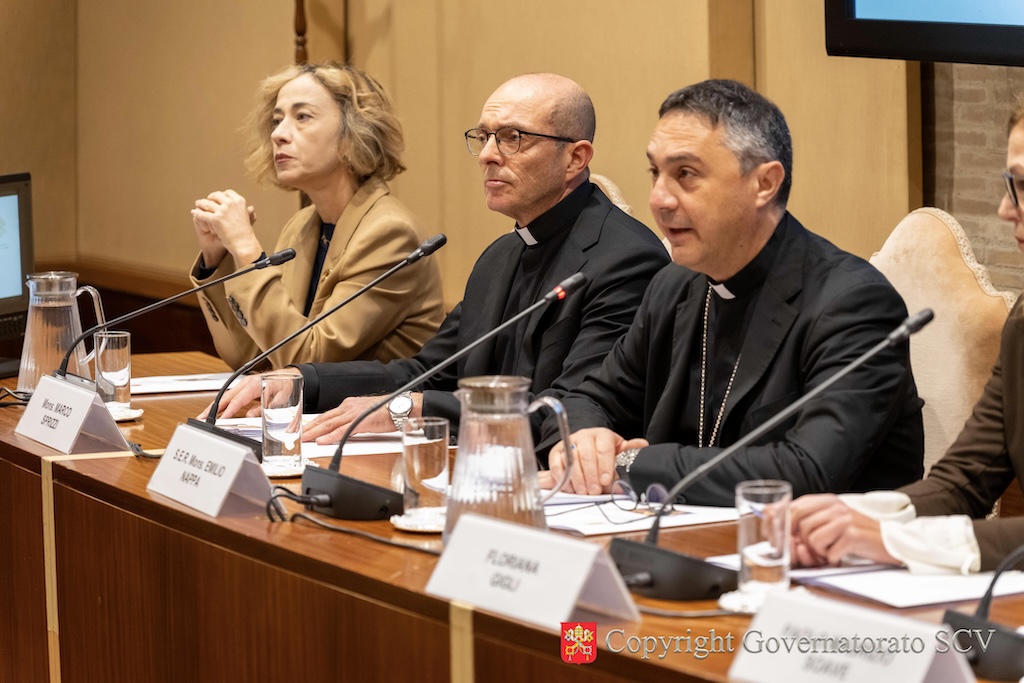
At the opening of the proceedings, Archbishop Emilio Nappa, Secretary General of the Governorate, thanked all participants, who attended on behalf of their respective entities and offices of the Holy See and Vatican City State. He recalled the importance of this training moment, motivated by the special attention the Church devotes to the protection of minors and vulnerable adults and by its commitment to ever-greater awareness of this issue.
Gratitude for the large attendance at the Seminar was also expressed by Monsignor Marco Sprizzi, President of ULSA, who recalled his Office’s ongoing commitment to staff training and its joint work, in this regard, with the Accompaniment Service, in compliance with Law No. CCXCVII of March 26, 2019, and with the pontifical Magisterium, which urges continued efforts so that “the dignity of every person, especially minors and the most vulnerable, may be safeguarded and promoted.”
In the first presentation, Attorney Floriana Gigli of the Governorate’s Legal Office illustrated the legislation in force in Vatican City State, with references to international and canon law, focusing on the protection of minors and vulnerable persons in the acts of Pope Francis. Over the past decade, in fact, the Vatican legal system has been profoundly updated through the enactment of measures that have significantly increased the rights and forms of protection afforded to minors, filling gaps from the past. To this end, the main legislative interventions in this area were presented, beginning with Law No. VIII of July 11, 2013 (issued in adherence to the Universal Declaration of the Rights of the Child, adopted by the United Nations General Assembly on November 20, 1959, and ratified by the Holy See in its own name and on behalf of Vatican City State on April 20, 1990), which devotes the entire Title II to “Crimes against Minors.” This law was contemporaneous with the Motu Proprio Ai nostri tempi, which expanded the range of persons subject to criminal prosecution for acts of abuse against minors as a consequence of the “canonization” of criminal legislation.
The contents of the three measures signed by Pope Francis on the same day, March 26, 2019, were then examined in depth: Law No. CCCXCVII on the Protection of Minors and Vulnerable Persons; the Motu Proprio on the Protection of Minors and Vulnerable Persons; and the Guidelines of the Vicariate of Vatican City. This legislation strengthened criminal and procedural rules for the protection of the weakest, introducing the assimilation of the “vulnerable person” to a minor, ex officio prosecution of crimes against minors, longer statutes of limitation, and, above all, the obligation to report for public officials.
Finally, further texts signed by Pope Francis were cited, confirming the Pontiff’s commitment to combating the “scourge” of abuse against minors, such as the Motu Proprio Come una Madre Amorevole of September 5, 2016, the Motu Proprio Vos estis lux mundi of May 7, 2019 (updated on March 25, 2023), and the Chirograph establishing the Pontifical Commission for the Protection of Minors of March 22, 2014. The concept of abuse was also defined in its multiple forms, illustrating for participants how to identify and report suspected cases of maltreatment.
Dr. Paolo Maurizio Soave, Deputy Director of the Directorate of Health and Hygiene, examined the contents of Decree DXII of the President of the Governorate of Vatican City State, by which the Guidelines of the Accompaniment Service—established within the same Directorate of Health and Hygiene—were promulgated. In this regard, the principles, purposes, and organization of the Service were recalled, emphasizing the multidisciplinary nature of support and protection activities for minors and vulnerable persons. The provision of services includes a medical, psychological, spiritual, and legal pathway, as well as any necessary specialist assessments, aimed at the best possible “care” of the most vulnerable. In recent times, thanks to the commitment of the governing bodies of Vatican City State, the Service has been equipped with new facilities for initial reception and subsequent phases of accompaniment at the Belvedere Palace, ensuring the confidentiality necessary for the best protection of minors or vulnerable persons.
Of particular relevance was the presentation by Professor Daniela Pia Rosaria Chieffo, psychologist and psychotherapist of the Directorate of Health and Hygiene and Associate Professor of General Psychology at the Catholic University of the Sacred Heart. She illustrated risk indicators and protective factors that can reduce negative impact, as well as prevention activities. She also clarified the concept of “vulnerability” in its various meanings and provided valuable tools for assessing reality, describing predictive elements to be observed that may indicate the presence of suspected maltreatment, along with behavioral models to adopt in such circumstances and appropriate recommendations.
After the coffee break, the proceedings continued with the presentation by Bishop Luis Manuel Alí Herrera, Secretary of the Pontifical Commission for the Protection of Minors, who has been engaged for fifteen years in the protection of the most defenseless. Monsignor Herrera recalled the progress made worldwide in this field, despite understandable difficulties and cultural resistance, the attention given by the Popes to the issue, and the commitment of the Commission which, continuing along a path of solidarity, offers support to local Churches in creating safe environments for minors and vulnerable adults, also through initiatives such as “Memorare.”
Finally, Dr. Stefano Mattei, an official of the Pontifical Commission for the Protection of Minors, examined the Commission’s work, developed in four areas—policy, the annual report, proposals, and “Memorare”—and along the four fundamental directions of truth, justice, reparation, and institutional reforms. In emphasizing the Commission’s support for the drafting of guidelines by local Churches, he cited exemplary cases of best practices.
Ample space was devoted to the final debate, scheduled in the last part of the Seminar, for questions, discussion, and concluding remarks. Participants were able to engage with the speakers for further exploration of the topics and ultimately expressed appreciation for the initiative undertaken on such a delicate subject.
In closing, Monsignor Sprizzi and Monsignor Nappa expressed thanks to the entire organizing staff and, in particular, to the personnel of the Vatican Museums Events Office for their availability and professionalism, welcoming the widely expressed invitation to continue the training program on issues of human interest.