

Messaggio di Sua Santità Leone XIV all’AI for Good Global Summit 2025
La priorità ai valori umani e sociali nello sviluppo dell’Intelligenza Artificiale
L’Intelligenza Artificiale offre enormi possibilità grazie alla sua rapidità ed efficienza nell’eseguire compiti complessi. D’altra parte, però, non può sostituire l’essere umano nel giudicare moralmente e nel creare relazioni autentiche. È, pertanto, importante che questa trasformazione sia all’insegna della responsabilità e del discernimento per garantire che l’IA sia sviluppata e utilizzata per il bene comune, in modo da favorire la costruzione di ponti di dialogo per promuovere la fraternità.
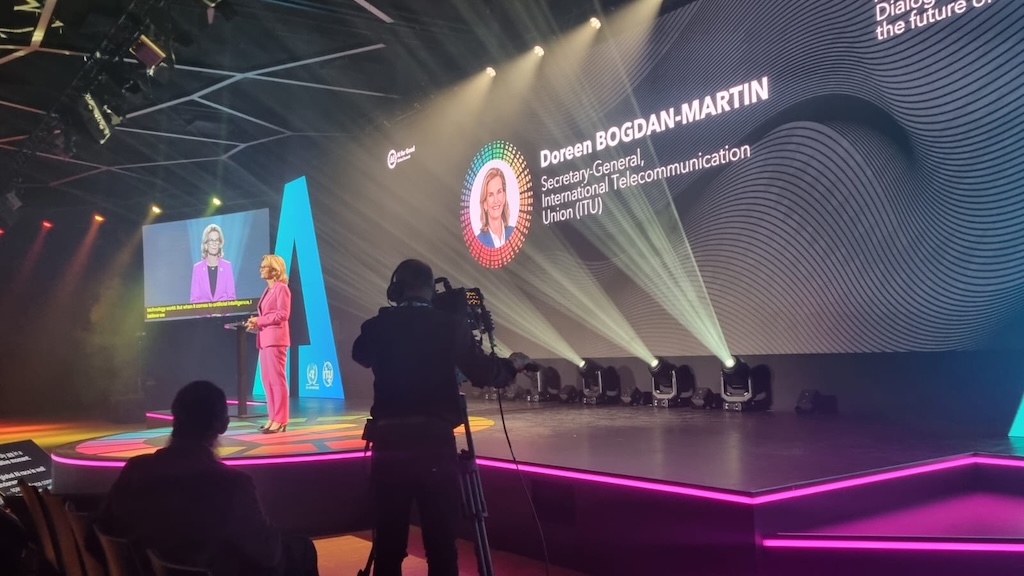
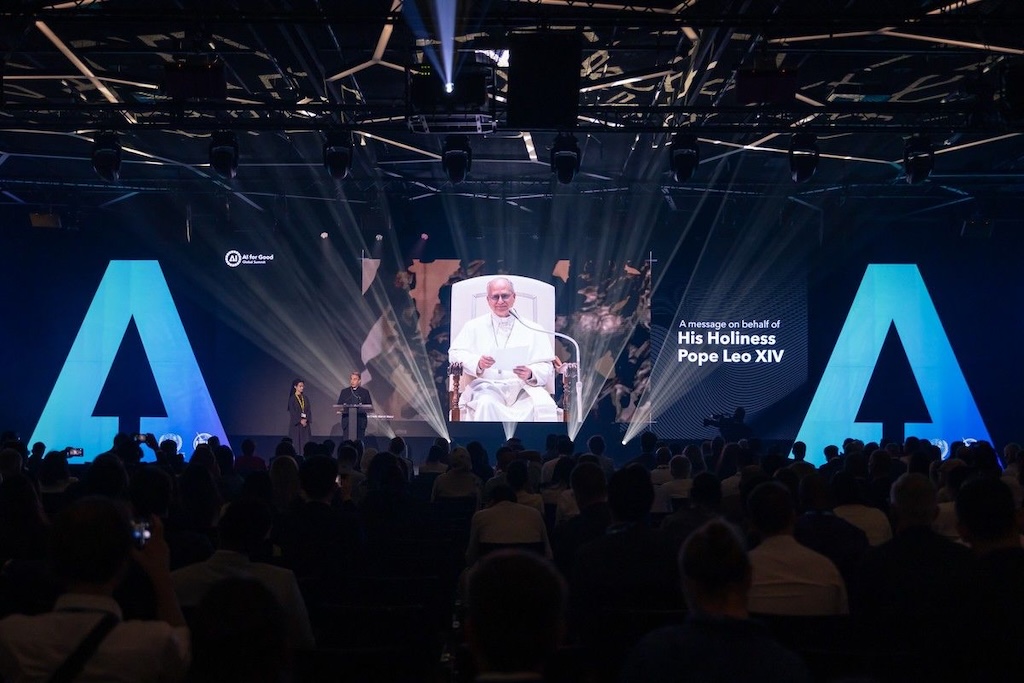
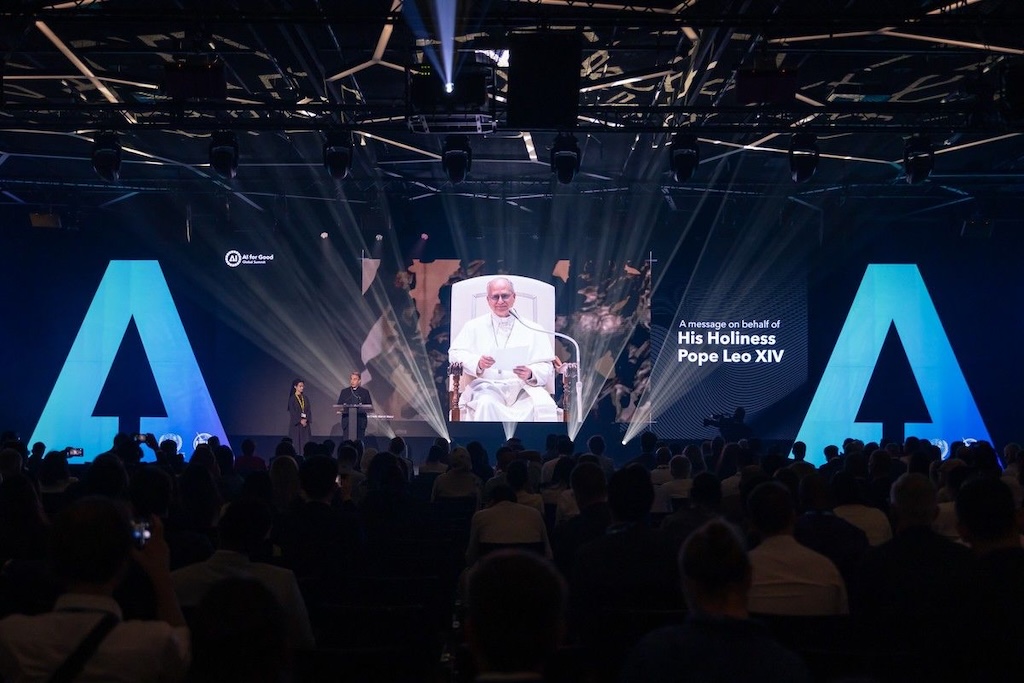
È l’invito di Papa Leone XIV nel messaggio, a firma del Cardinale Pietro Parolin, Segretario di Stato, inviato a tutti i partecipanti nell’ambito dell’AI Governance Day, durante la giornata più importante dell’AI for Good Global Summit 2025, che si svolge dall’8 all’11 luglio a Ginevra.
Mentre l’IA diventa capace di adattarsi autonomamente e di prendere decisioni tecniche, è essenziale valutarne le implicazioni etiche e antropologiche, i valori in gioco e i doveri normativi necessari a tutelarli. Per questo, il suo sviluppo deve essere guidato dal rispetto dei valori umani e sociali, dalla responsabilità e dalla consapevolezza del ruolo dell’uomo nel mondo.
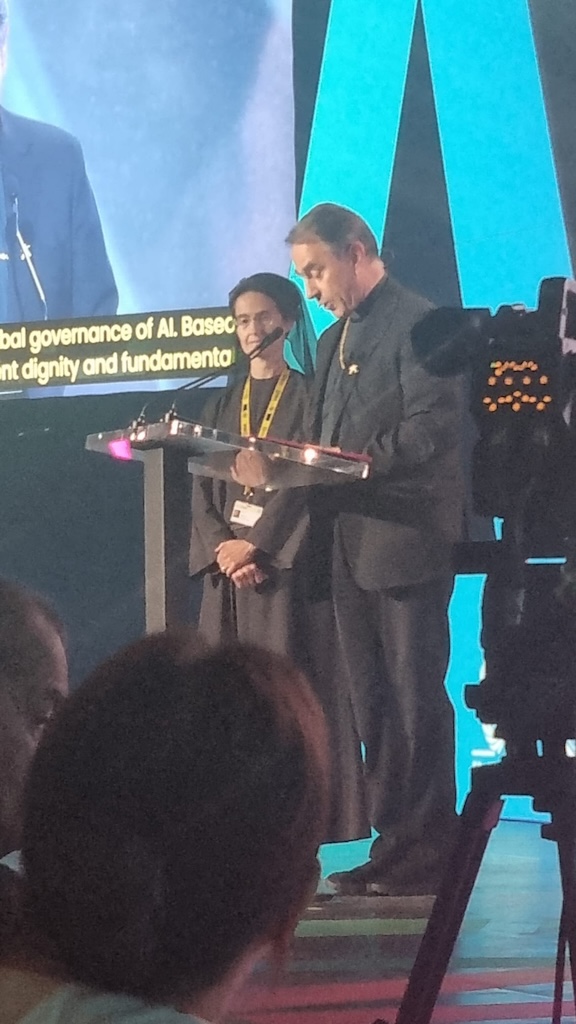
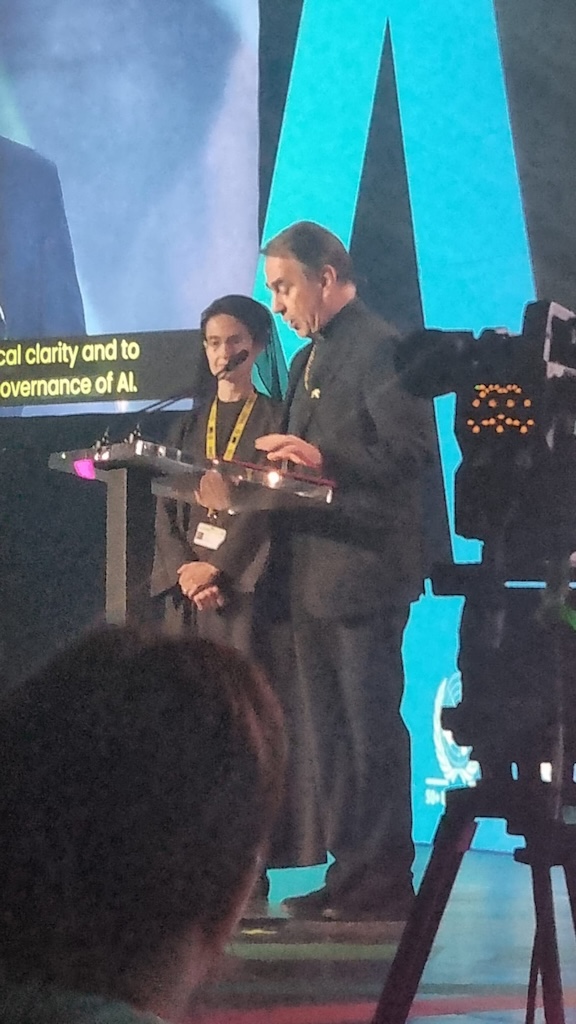
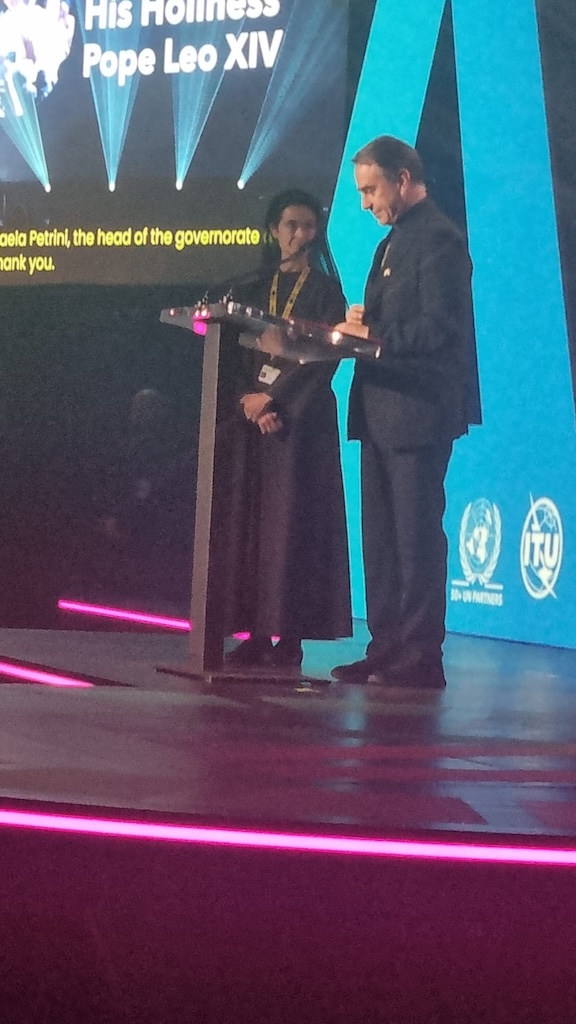
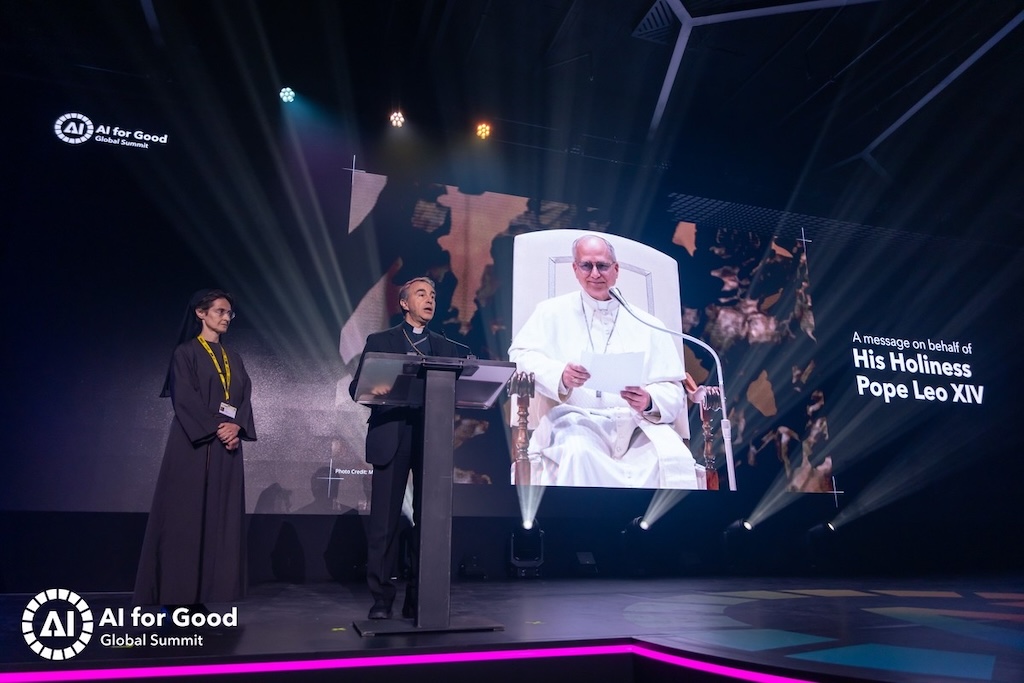
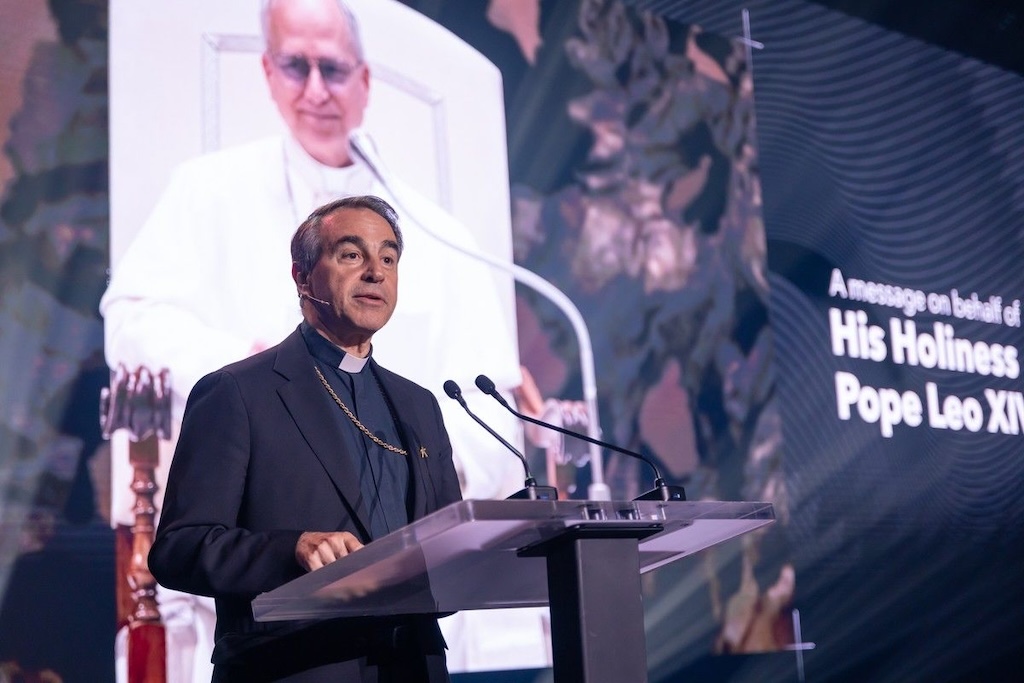
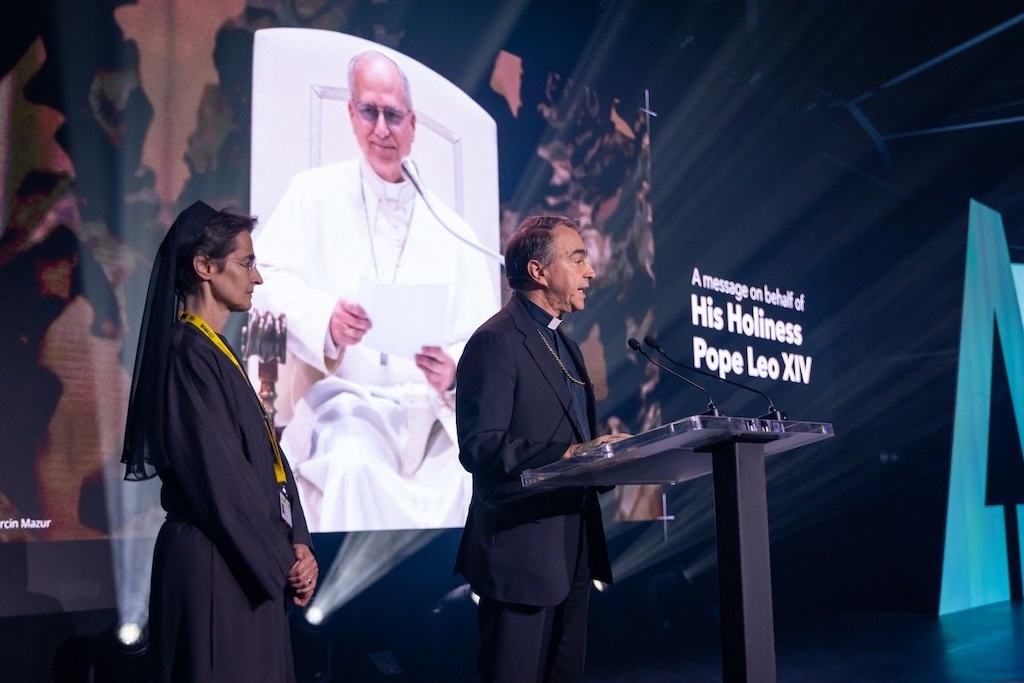
Di seguito il messaggio integrale di Papa Leone XIV, letto dall’Arcivescovo Ettore Balestrero, Osservatore Permanente della Santa Sede presso l’Ufficio delle Nazioni Unite ed Istituzioni Specializzate a Ginevra:
Message of His Eminence Cardinal Pietro Parolin
on behalf of His Holiness Pope Leo XIV
to the participants in the AI for Good Summit
Geneva, 10 July 2025
On behalf of His Holiness, Pope Leo XIV, I would like to extend my cordial greetings to all participants in the AI for Good Summit 2025, organized by the International Telecommunication Union (ITU), in partnership with other UN agencies and co-hosted by the Swiss Government. As this summit coincides with the 160th anniversary of the ITU’s foundation, I would like to congratulate all the Members and staff for their work and constant efforts to foster global cooperation in order to bring the benefits of communication technologies to the people across the globe. Connecting the human family through telegraph, radio, telephone, digital and space communications presents challenges, particularly in rural and low-income areas, where approximately 2.6 billion persons still lack access to communication technologies.
Humanity is at a crossroads, facing the immense potential generated by the digital revolution driven by Artificial Intelligence. The impact of this revolution is far-reaching, transforming areas such as education, work, art, healthcare, governance, the military, and communication. This epochal transformation requires responsibility and discernment to ensure that AI is developed and utilized for the common good, building bridges of dialogue and fostering fraternity, and ensuring it serves the interests of humanity as a whole.
As AI becomes capable of adapting autonomously to many situations by making purely technical algorithmic choices, it is crucial to consider its anthropological and ethical implications, the values at stake and the duties and regulatory frameworks required to uphold those values. In fact, while AI can simulate aspects of human reasoning and perform specific tasks with incredible speed and efficiency, it cannot replicate moral discernment or the ability to form genuine relationships. Therefore, the development of such technological advancements must go hand in hand with respect for human and social values, the capacity to judge with a clear conscience, and growth in human responsibility. It is no coincidence that this era of profound innovation has prompted many to reflect on what it means to be human, and on humanity’s role in the world.
Although responsibility for the ethical use of AI systems begins with those who develop, manage and oversee them, those who use them also share in this responsibility. AI therefore requires proper ethical management and regulatory frameworks centered on the human person, and which go beyond the mere criteria of utility or efficiency. Ultimately, we must never lose sight of the common goal of contributing to that “tranquillitas ordinis – the tranquility of order”, as Saint Augustine called it (De Civitate Dei) and fostering a more humane order of social relations, and peaceful and just societies in the service of integral human development and the good of the human family.
On behalf of Pope Leo XIV, I would like to take this opportunity to encourage you to seek ethical clarity and to establish a coordinated local and global governance of AI, based on the shared recognition of the inherent dignity and fundamental freedoms of the human person. The Holy Father willingly assures you of his prayers in your efforts towards the common good.
Card. Pietro Parolin
Secretary of State of His Holiness