Select your language

Saint of the day

Saint of the day

October 16: Saint Margaret Mary Alacoque

The Messenger of the Heart of Christ

In the heart of the 17th century, during the reign of Louis XIV (1638–1715), France was still bearing the wounds of the religious wars. Meanwhile, within the Church, a stern and austere spiritual current was spreading — Jansenism. This movement, far removed from the spirit of mercy, tended to instill fear rather than love of God in the faithful. At the same time, following the guidelines set by the Council of Trent, new religious communities were flourishing. Among them was the Order of the Visitation of Holy Mary, founded in Annecy in 1610 by St. Francis de Sales and St. Jane Frances de Chantal. The two founders saw their Order as a gift born from the very Heart of Jesus and Mary — the fruit of Christ’s sacrifice.

15 October: Saint Teresa of Jesus, Doctor of the Church

A woman who reformed men

The Apostolic Nuncio in Spain, Archbishop Filippo Sega, described Teresa of Jesus as “a restless and wandering woman… whose teachings opposed Saint Paul’s command that women should not teach”. His description of the restlessness of Teresa of Jesus, in the world Teresa de Ahumada, was accurate. Indeed, at the time of his comments, she had already founded 12 monasteries throughout Spain and had travelled more than 50,000 kilometres. And she had done all this with the travel means available at the time, journeying on roads that were not quite roads, with all the discomforts involved in moving from one side of the kingdom to the other, especially for a woman, and even more so, for a nun.  She managed to open 17 monasteries with very few funds, health problems and countless difficulties in finding homes that could be turned into religious convents. Her “crime” was that she was a woman, and above all, a reformer of consecrated life, including that of males.

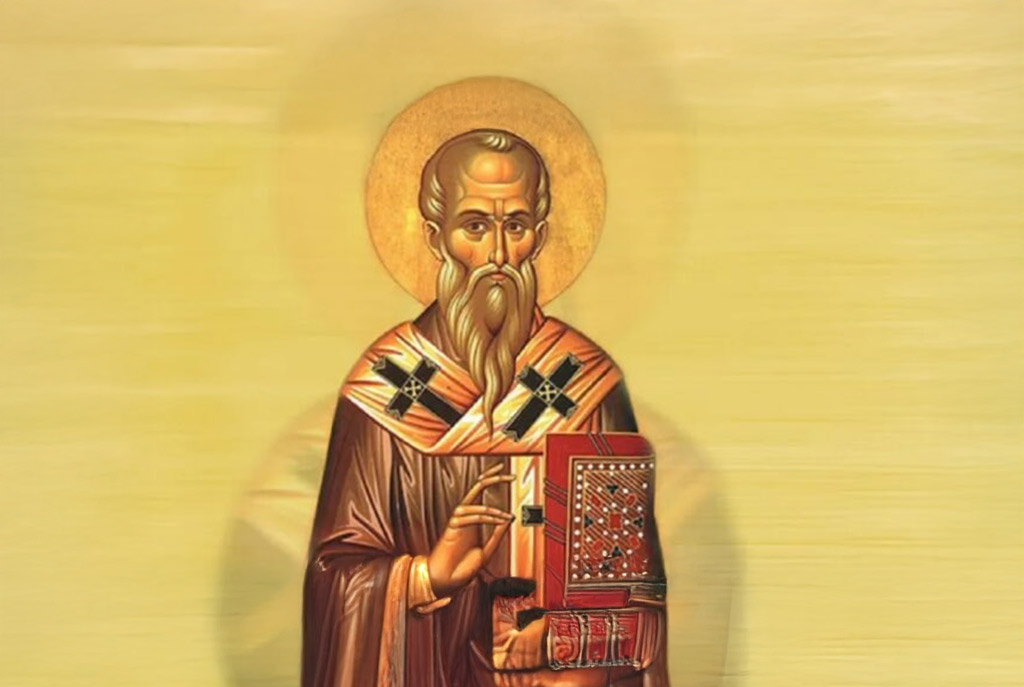
October 14: Saint Callistus I, Pope and Martyr

A Merciful Shepherd

Callistus, a complex and much-debated figure of the early Church, was born in Rome in the second half of the 2nd century into a Christian family of servile condition. While still young, he became a slave in the household of a wealthy Christian named Carpophorus, who was connected to the imperial court. Thanks to his enterprising spirit and a certain talent for business, Callistus was entrusted with managing a financial enterprise that served as a kind of deposit and exchange bank, frequented mostly by fellow Christians.

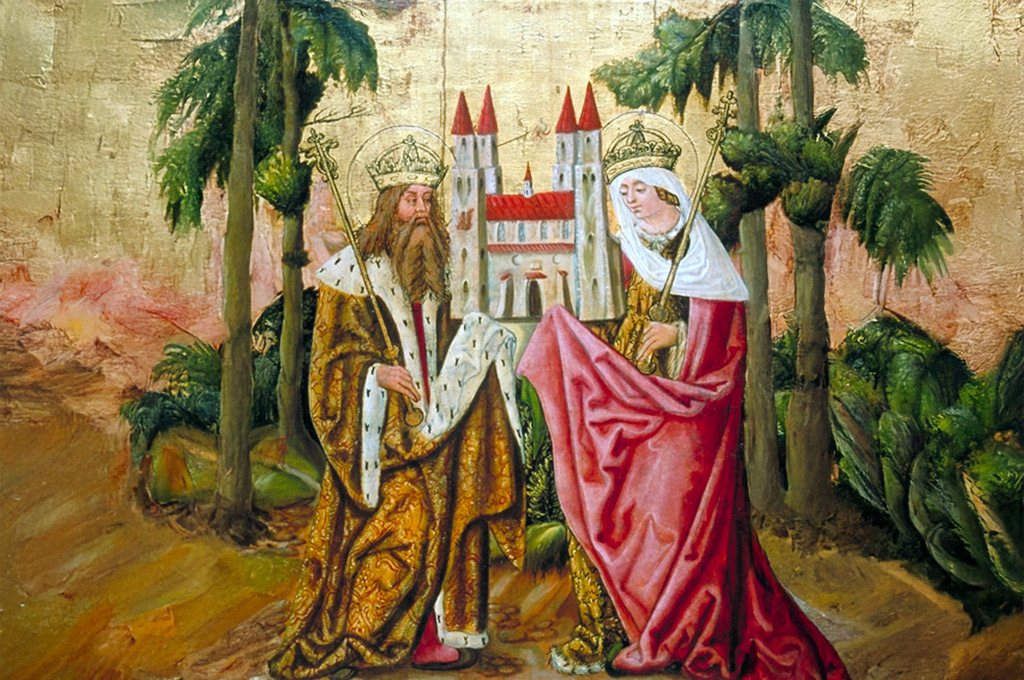
October 13: Saint Edward, King

The Patron of the English Monarchy

 Saint Edward the Confessor, venerated as the Patron Saint of the English monarchy, was born around the year 1002 in Islip, near Oxford. The son of the Anglo-Saxon King Æthelred II and the Norman Emma, sister of Duke Richard II of Normandy, he spent much of his youth in exile at the Norman court, where he had taken refuge following the Danish invasion of 1013. He remained in Normandy for about twenty-five years, during which he developed a deep spirituality and a profound attachment to the Christian faith.

October 12: Saint Carlo Acutis

A Model for Young People

Through his life, he showed that holiness is not reserved only for priests or religious, but can be lived by anyone — even at school, in the family or in front of a computer screen. He was able to speak about God to his peers using the language of technology, passion and friendship. His coherence between faith and daily life, his willingness to do good and his faith deeply rooted in the Eucharist and the Virgin Mary make him a model for young people of our time.

11 October: Saint John XXIII

The Pope of Peace and Dialogue with Everyone

“With your hand on your conscience may each one hear the anguished cry which is raised to the skies from all parts of the earth, from the innocent children to the elderly, from the people of the communities: Peace, peace! We renew this solemn plea today”. With these words broadcast on Vatican Radio on 25 October 1962, Saint John XXIII launched an appeal for peace to world leaders, in particular those of the United States of America and the Soviet Union. The world was in the midst of the Cuban missile crisis, and had not come this close to a third world conflict, since the end of World War II. Indeed, between 14 and 19 October, the world was on the very edge of a nuclear abyss. The words of the Pope, who had opened the Second Vatican Council on 11 October, were strongly persuasive on the consciences of people, especially those of John Fitzgerald Kennedy and Nikita Khrushchev ((Sergeevič Chruščëv).

Select your language