

July 30: Saint Peter Chrysologus, Doctor of the Church
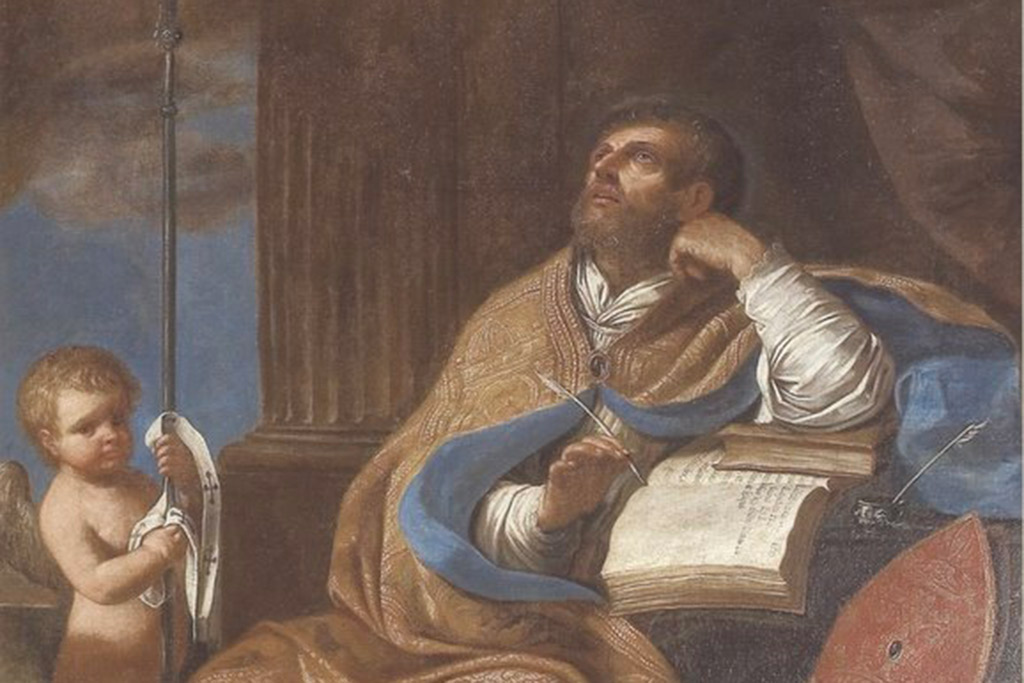

"Man of the Golden Words"
Saint Peter Chrysologus was likely born in Forum Cornelii (modern-day Imola) around the year 380. He was initiated into the Christian faith and ordained deacon by Bishop Cornelius of Imola. Between the years 424 and 429, he was appointed Bishop of Ravenna by Pope Sixtus III., Ravenna had been the seat of the emperor of the Western Roman Empire since the year 404. Peter was the first Metropolitan Bishop of Ravenna who was not of Eastern origin.
He maintained a close friendship and collaboration with Empress Galla Placidia and actively participated in the theological debates of his time, particularly those concerning the nature of Christ that preceded the Council of Chalcedon. It is certain that prominent figures such as Theodoret of Cyrrhus and Eutyches consulted him.
In particular, in 449, as bishop of the imperial see of the West, Peter Chrysologus was contacted by Eutyches, a presbyter and archimandrite of Constantinople, who had been condemned at the Synod of Constantinople in 448 for monophysitism. Peter reaffirmed his orthodox position on the Christological issue but chose not to take an active part in the controversy, since there was no written communication from Flavian. Instead, he urged Eutyches to humbly submit to the decisions of Pope Leo I.
Peter died sometime between 449 and 458.
He was named Chrysologus - which means “of golden speech” - for the renown he gained through his sermons. A total of 176 have been preserved. Most are homilies on the Gospels in which he demonstrates great pastoral sensitivity, deep understanding of the human soul, and a constant preaching of God's love. Among the most famous are those in which he repeatedly proclaims: “He who wishes to rejoice with the devil on earth will not rejoice with Christ in heaven.”
Doctrinally, his texts reflect the Christological controversies of the period between the Councils of Ephesus and Constantinople.
In 1729, he was declared a Doctor of the Church by Pope Benedict XIII.