


January 18: Saint Margaret of Hungary
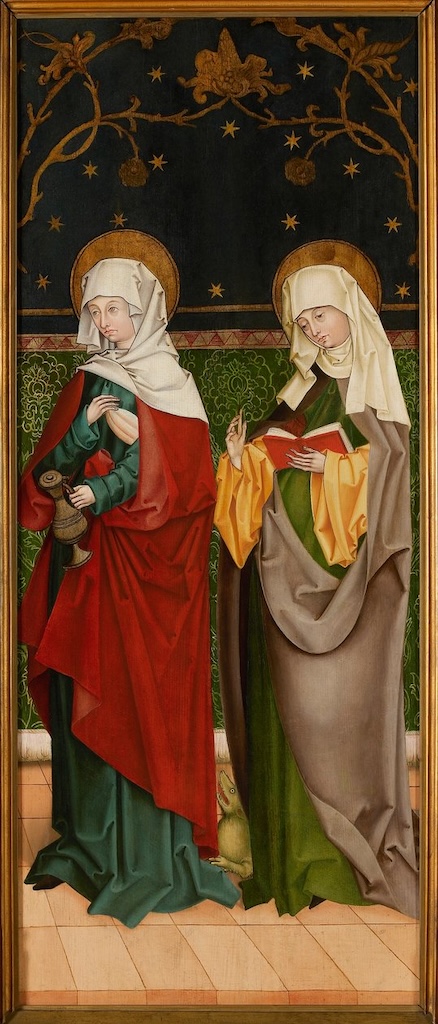

A Queen in the service of God and the poor
Margaret of Hungary was born in 1242, probably in the castle of Turóc, the daughter of King Béla IV and Queen Maria, of Byzantine origin. Her birth was linked to a dramatic moment for the kingdom: Hungary had been devastated by the Mongol invasion, and the royal family had taken refuge in Dalmatia. On that occasion, the sovereigns made a vow that, if a daughter were born, they would consecrate her to God as a sign of gratitude for the nation’s deliverance.
Still a child, around the age of four, Margaret was entrusted to a Dominican monastery, first in Veszprém and later transferred to the convent of Saint Mary on the small island in the Danube near Buda, founded specifically by her father. The island would later go down in history bearing her name. In this environment the young princess grew up, gradually developing an ever more conscious choice of religious life.
In 1254 she made her religious profession, and in 1261 she received the Dominican veil. Despite her royal origins, she firmly refused every privilege: when her father attempted to arrange a political marriage for her, in particular with Ottokar II of Bohemia, Margaret opposed it resolutely, reaffirming her desire to belong solely to Christ. Her choice also influenced other young Hungarian noblewomen, who followed her example by entering the convent.
Her cultural formation was simple: she could read and write, but did not possess an extensive education. She made up for this, however, by assiduously listening to the reading of the Sacred Scriptures and the lives of the saints, under the spiritual guidance of the Dominican friar Marcellus, formerly provincial of the Order in Hungary. Her inner life was intense and constant, marked by a particular devotion to the Passion of Christ and to the Eucharist.
Margaret observed the Dominican Rule with extreme rigor. Animated by a radical love for poverty and humiliation, she sought to imitate Christ in suffering: she voluntarily deprived herself of food and rest, devoted long hours to prayer, and joyfully accepted the humblest tasks of the monastery, such as cooking, laundry, and caring for sick sisters. She wore poor, patched clothing and was often found asleep on the floor beside the pallet on which she had knelt in prayer.
Although living in enclosure, she did not remain indifferent to the affairs of the kingdom. When a serious conflict broke out between her father Béla IV and her brother Stephen, who had taken up arms against him and caused many casualties, Margaret intervened with discretion and determination, managing to foster reconciliation between the two.
Her profound asceticism and total dedication to God earned her a reputation for holiness even during her lifetime. The sources attribute to her mystical experiences and visions, making her one of the most significant spiritual figures of medieval Hungary. She died on January 18, 1270, in the convent on the Island of the Danube. According to tradition, a sweet fragrance spread from her body, while her tomb immediately became a destination for pilgrimages and the site of numerous events considered miraculous.
Popular veneration was immediate. Just one year after her death, her brother Stephen V, having become king, asked the Pope to open a process regarding Margaret’s holiness. The first investigations were begun, but the documents were lost. A new process in 1276 met the same fate, although a copy of the acts was preserved within the Dominican Order. In the following centuries veneration to her never ceased, despite historical difficulties, such as the Turkish invasion that led to the transfer of the relics to Pressburg in 1618.
Only in the modern era did the cause regain momentum: the cult was progressively extended first to the Dominican Order and to some dioceses, then to the whole of Hungary. Finally, in 1943, Pius XII officially recognized her sanctity with an equipollent canonization.