


February 26: Saint Alexander, Patriarch of Alexandria
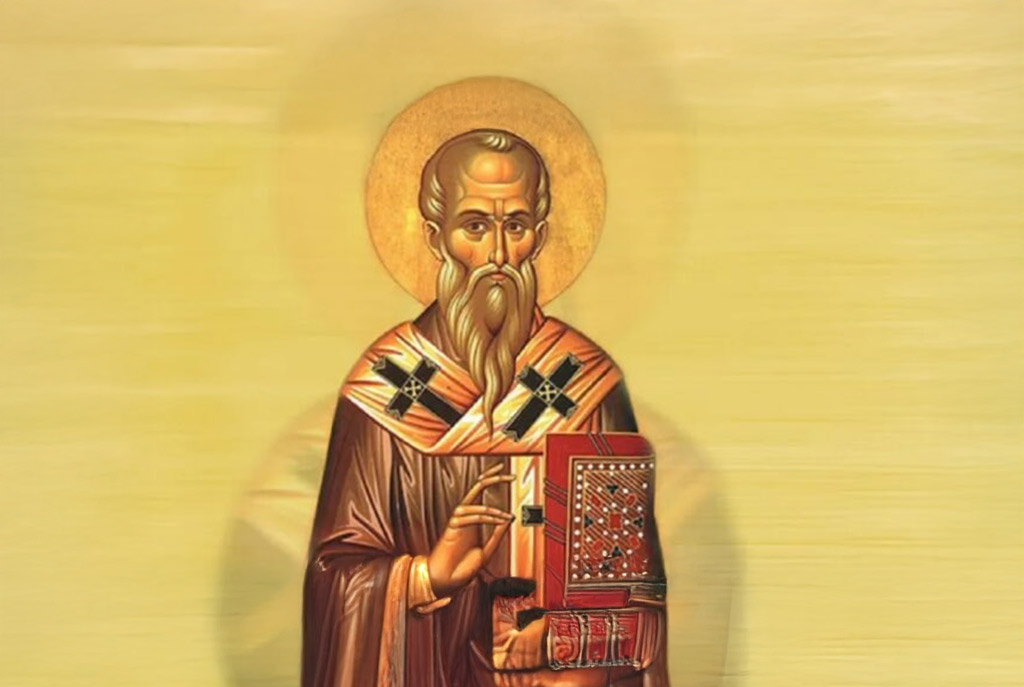

Defender of the Faith Against Heresy
Alexander, destined to become leader of the Church of Alexandria, was born in 250 and, in 313, assumed responsibility for the Patriarchate at a decisive moment in history. Christianity was emerging from being a clandestine religion, thanks to imperial measures that guaranteed its freedom.
The new climate of peace, however, did not lessen internal tensions. Among the most delicate issues was the reintegration of those faithful who, during the persecutions, had renounced their faith. Alexander addressed the matter with balance, avoiding extreme positions and seeking a path of reconciliation between rigor and mercy.
The most significant aspect of his episcopate, however, was his defense of the authentic faith, which was being challenged by a heretical doctrine that was spreading rapidly. A well-known presbyter, Arius, promoted a vision of the Trinity that denied the full divinity of Jesus Christ.
Patriarch Alexander initially pursued dialogue and confrontation in the hope of bringing the Arians back to ecclesial unity. But the heretics insisted in their positions and continued to gain support among clergy and laity.
Faced with the growing danger, Alexander convened an assembly of bishops from neighboring regions, who carefully examined the disputed theses and officially rejected them. Arius, rather than accepting the decision, moved to other parts of the East, presenting himself as a victim of injustice and gaining the support of influential ecclesiastical figures, thus deepening the division.
The controversy became so serious that it required the direct intervention of the emperor, who unsuccessfully attempted mediation. At Alexander’s urging, Emperor Constantine convened a great assembly of the entire Church at Nicaea in 325. Despite his advanced age and frail health, the Patriarch took part in the conciliar proceedings, accompanied by his trusted deacon Athanasius, who would succeed him as Patriarch. On that occasion, the Arian heresy was definitively condemned, and a profession of faith was formulated that clearly affirmed the substantial equality between the Father and the Son.
Upon returning to Alexandria, he devoted himself with tireless zeal to rebuilding ecclesial unity, caring for the formation of the clergy, promoting the life of the community, and seeking to heal the divisions left by the heresy. According to tradition, he died on February 26, 328.