

November 10: Saint Leo the Great, Pope and Doctor of the Church

At the Service of the Unity of the Ecclesial Community
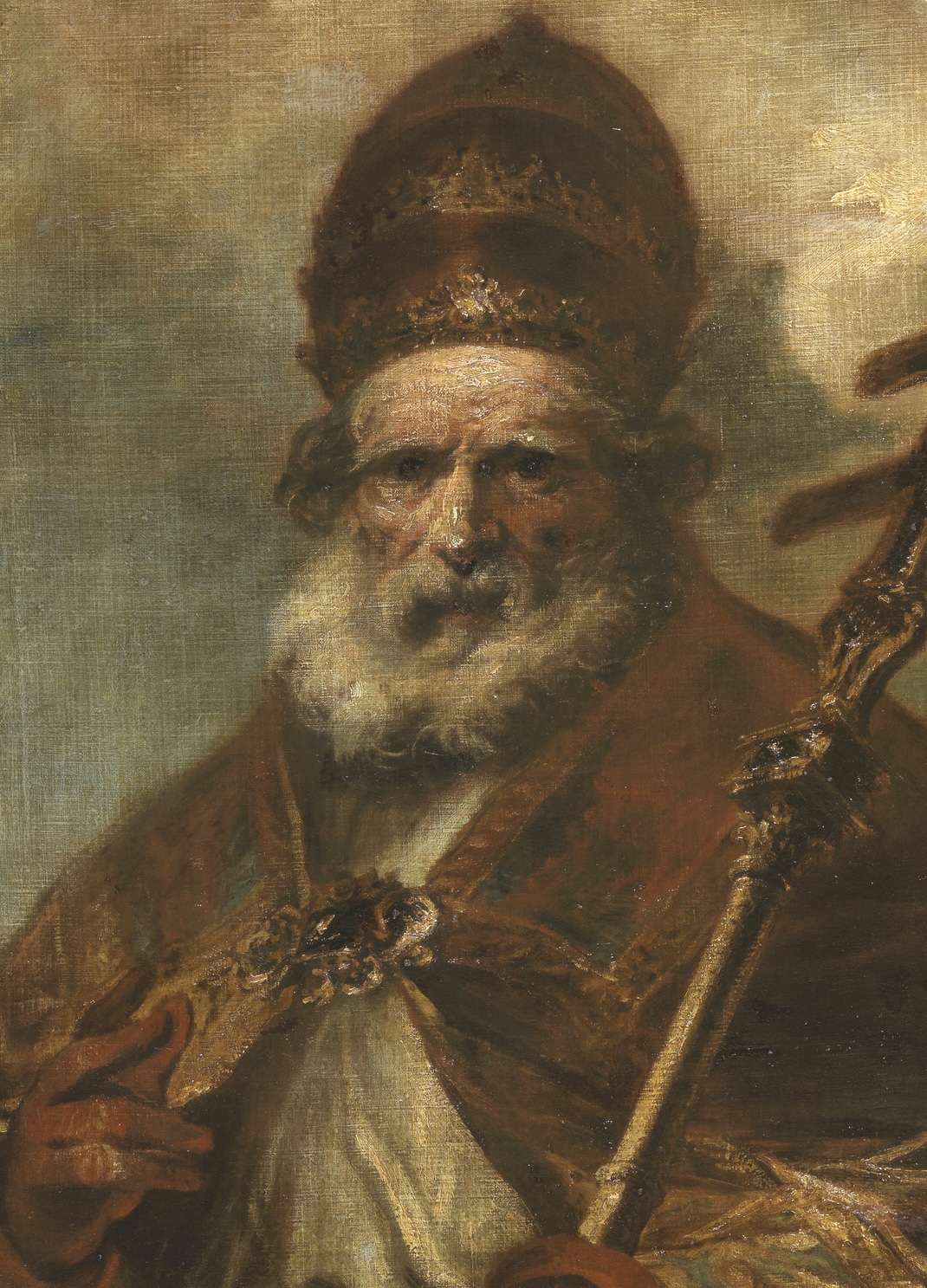
Saint Leo shares with Pope Saint Gregory the title of “the Great.” He was born at the end of the 4th century in Etruria. Initially a deacon in Rome, he was ordained a priest and carried out a mission in Gaul before being elected Pope in 440, serving for twenty years during a time of great difficulty.
One of the most famous episodes of his pontificate is the encounter in Mantua with Attila, king of the Huns, in 452. Armed only with his courage and faith, Leo succeeded in persuading Attila to give up the siege of Rome, thus saving the city from destruction. However, three years later, although he obtained from the Vandals a promise to spare the Roman citizens, he could not prevent the city from being sacked.
As a tireless defender of the faith, Leo firmly confronted the heresies of his time, especially Monophysitism, which denied the two natures of Christ. In his famous letter to Archbishop Flavian of Constantinople, he reaffirmed the doctrine received from the Apostles, according to which Christ is true God and true man. This truth was confirmed by the Council of Chalcedon in 451, a central event of his pontificate.
His witness resounds every time we profess in the Creed our faith in the Incarnation of Jesus, the Son of God. In his writings and homilies, he invited Christians to remember their baptismal dignity: “Remember, Christian, your greatness! You are part of the Body of Christ.” His commitment was not limited to Rome; he sought to maintain unity among the various local Churches, promoting with determination the primacy of Rome as a service to the unity of the universal Church.
His pastoral action was marked by great wisdom, combining theological rigor with care for the people. His liturgy and preaching closely connected faith with daily life, making every celebration a moment in which the divine mystery becomes present in concrete reality. This ability to unite tradition and contemporaneity testifies to his great spiritual charisma. Leo died in Rome on November 10, 461.