


23 November: Saint Clement, Pope
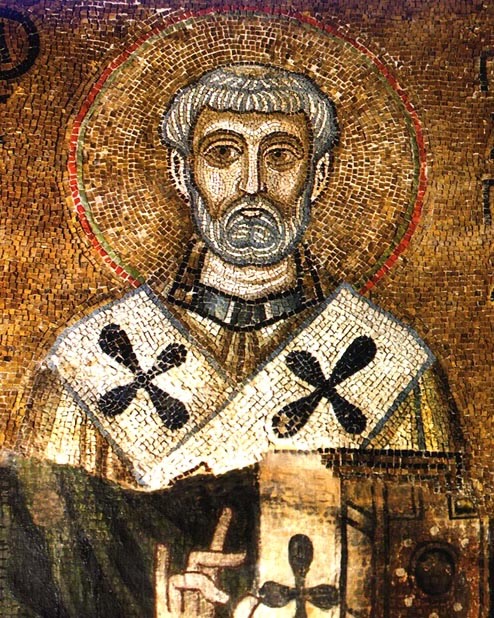

Martyr of Christ
The figure of Clement, a pontiff who lived between the end of the 1st and the beginning of the 2nd century, remains shrouded in considerable historical silence. The ancient episcopal lists place him at the head of the Christian community of Rome immediately after the first direct successors of the Apostle Peter.
A text of particular importance is attributed to him: a long exhortation addressed to the community of Corinth toward the end of the 1st century. In that letter—written not in a personal capacity but as the official voice of the Church of Rome—Clement intervened to mend a serious internal rift that had arisen among the Christians of that city. For many generations, the document was considered so authoritative that even centuries later it was read in the liturgical assemblies of Corinth alongside the Gospel readings.
Tradition remembers him as a martyr. Beginning in the 4th century, accounts circulated stating that under the emperor Trajan, Clement had been exiled to Crimea and forced into hard labor in the mines. There he is said to have carried out intense apostolic activity among soldiers and convicts, obtaining numerous conversions. To put an end to his influence, he was reportedly drowned in the Black Sea, tied to an anchor.
In the Roman basilica dedicated to him, the main altar rises above the confessio of a martyr: an urn placed at the heart of the sanctuary contains relics attributed to Clement and to Saint Ignatius of Antioch, venerated as a tangible reminder of the faith of the early Church.