


December 11: Saint Damasus, Pope
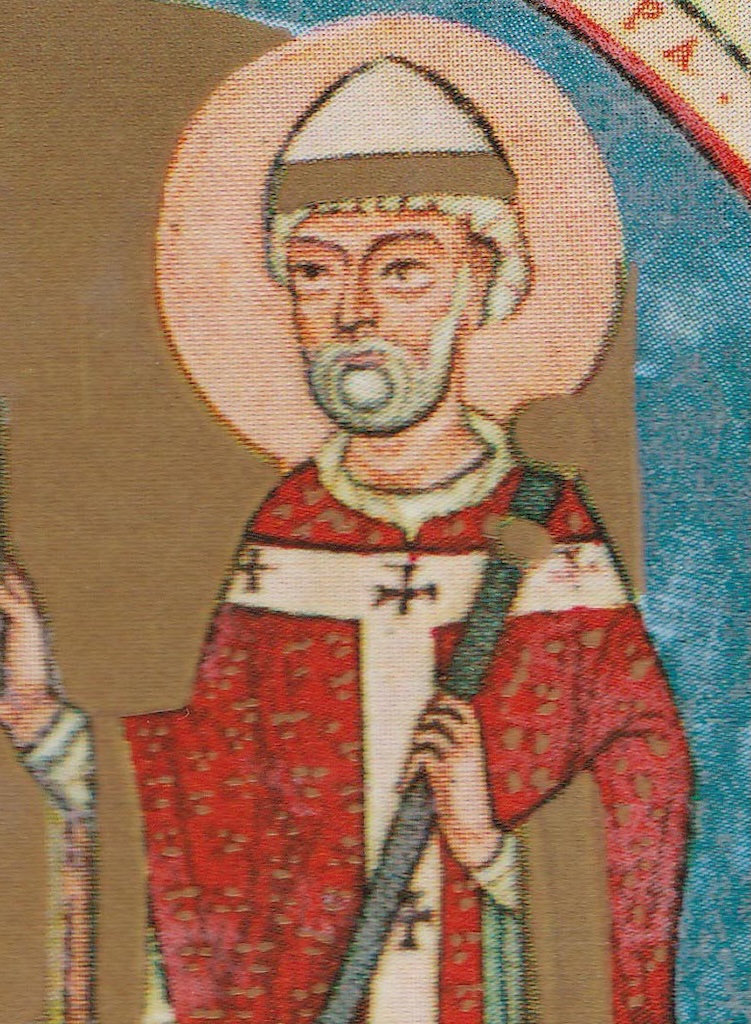

Defender of the Nicene–Constantinopolitan Creed
Saint Damasus, born around 305, led the Church as Bishop of Rome from October 1, 366, until his death on December 11, 384. He succeeded Pope Liberius, with whom he had shared a period of exile, and he found a community troubled by the presence of numerous heretical groups—Arians, Novatians, Donatists, and Luciferians—who were very active in the capital.
The first years of his pontificate were particularly turbulent also due to the appearance of two antipopes: first, Felix, who died in 367, and then Ursinus, who occupied a Roman church, provoking violent clashes with casualties.
In this tense climate, Damasus was for a time driven into exile in Gaul; once he returned, he also underwent a trial based on unfounded accusations of adultery, brought against him by political opponents. Despite everything, he proved steadfast in guiding the Church and equal to his pastoral mission.
Tradition attributes to him three major achievements. The first concerns the reaffirmation of the Nicene doctrine: under his pontificate, at the council later recognized as the Ecumenical Council of Constantinople, the profession of faith that is still recited at Mass today was confirmed. His second merit was calling Saint Jerome to Rome and entrusting him with the revision and Latin translation of the Bible, from which the renowned Vulgate was born. The third glory associated with his name is his commitment to honoring the memory of the martyrs: he had their burial sites adorned with verse inscriptions that he personally composed, engraved in elegant characters—later called “Damasian”—by the calligrapher Furius Dionysius Filocalus. He is also credited with introducing Latin as the ordinary language of Western liturgy, except for the Kyrie.
His pontificate took place during what history remembers as “the golden century of the Fathers,” a period of extraordinary spiritual richness. Between East and West flourished figures of exceptional stature: Athanasius, Basil, Gregory Nazianzen, Gregory of Nyssa, Cyril of Jerusalem, Epiphanius, Didymus, and Ephrem in the East; Hilary of Poitiers, Eusebius of Vercelli, Ambrose, Augustine, Jerome, Prudentius, and Paulinus of Nola in the West. Damasus died at an advanced age and was buried in the church of San Lorenzo in Damaso.