


July 22: Saint Mary Magdalene, Disciple of the Lord
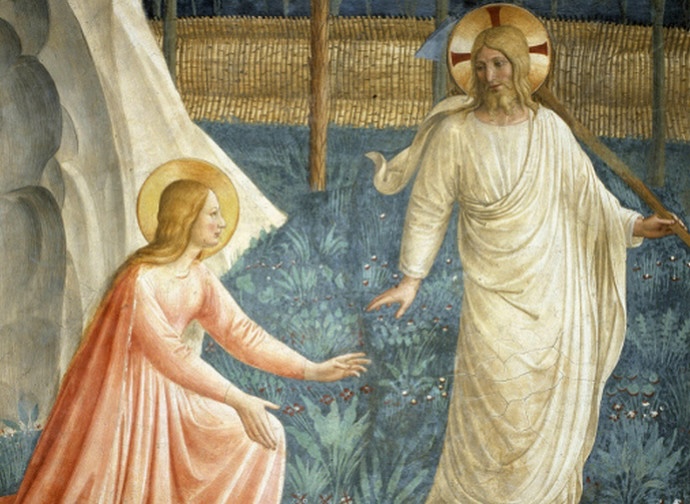

Apostle to the Apostles
Mary Magdalene is known as the “Apostle to the Apostles” because she was the first to announce Jesus’ resurrection to the other disciples. She is also called an “evangelist” because she was a messenger of the Good News.
According to tradition, Mary Magdalene began following Jesus after He freed her from “seven demons.” This encounter ignited a deep faith within her, leading her to respond wholeheartedly to the love she had received. From that moment on, Mary followed only the Lord and was present at the key moments of His Passion and Resurrection. As a sign of gratitude for the salvation she had received, she chose to support Him with her own resources, as other women also did.
The Gospel of Luke (8:2–3) tells us that, along with the Twelve, there were some women who had been healed of evil spirits and infirmities: Mary called Magdalene, from whom seven demons had gone out; Joanna, the wife of Chuza, Herod’s steward; Susanna; and many others. These women provided for Jesus and His mission out of their own means.
The evangelist John presents Mary Magdalene at the foot of the cross, alongside the Virgin Mary and Saint John. Her presence next to Jesus’ Mother and His beloved disciple suggests the depth of her love for Christ: “Standing by the cross of Jesus were his mother, his mother’s sister, Mary the wife of Clopas, and Mary Magdalene” (John 19:25–27).
After Jesus’ death, once the Sabbath had passed, Mary went to the tomb with other women, bringing spices and perfumes. When they found the tomb empty, the others ran to tell the apostles, while she stayed behind, grieving and searching for “the beloved of her heart.”
It was to her that the risen Jesus first appeared, calling her by name and entrusting her with a special mission: to go to the disciples and announce that He was ascending to the Father. Mary Magdalene immediately ran to deliver the news, thus becoming the first witness to the Resurrection.
According to some traditions, after Jesus’ death and resurrection, Mary Magdalene moved to Ephesus—the same city where it is believed Mary, the Mother of Jesus, and the Apostle John also lived.
Mary was originally from Magdala, a fishing village in Galilee on the shore of the Sea of Tiberias, also known as the “tower of fish.”
Already commemorated as an obligatory memorial in the Roman Calendar, Pope Francis elevated her liturgical celebration to the rank of a feast on June 3, 2016.