Select your language

Saint of the day

Saint of the day

April 21: Saint Anselm of Aosta, Doctor of the Church

Father of Scholasticism

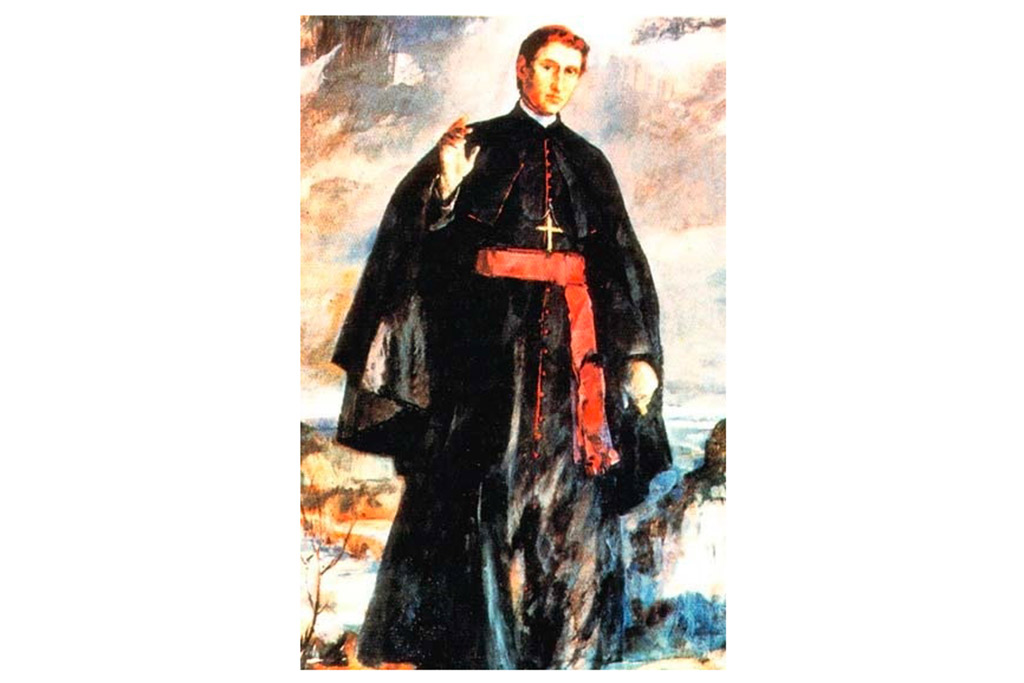
A Benedictine monk, later Abbot and Archbishop of Canterbury, and an eminent theologian, he was proclaimed a Doctor of the Church. This is Saint Anselm of Aosta, whose most famous work is the Proslogion (“Discourse”), known for its ontological argument for the existence of God. Born in Aosta in northern Italy, around 1033, he received both human and religious education from his mother, who later entrusted his formation to the Benedictines of a priory in Aosta.

April 20: Saint Agnes of Montepulciano

In the service of peace in the name of Christ

The most reliable biographical source on Saint Agnes Segni is the Legenda, written in 1366 by the Dominican Blessed Raymond of Capua, who lived for four years in Montepulciano as rector of the monastery founded by the Saint. He was able to gather testimonies from several sisters and many people who had known her, and he also consulted documents from the monastery’s archive.

April 19: Saint Emma of Lesum (of Saxony)

A noblewoman with abundant charity toward the poor

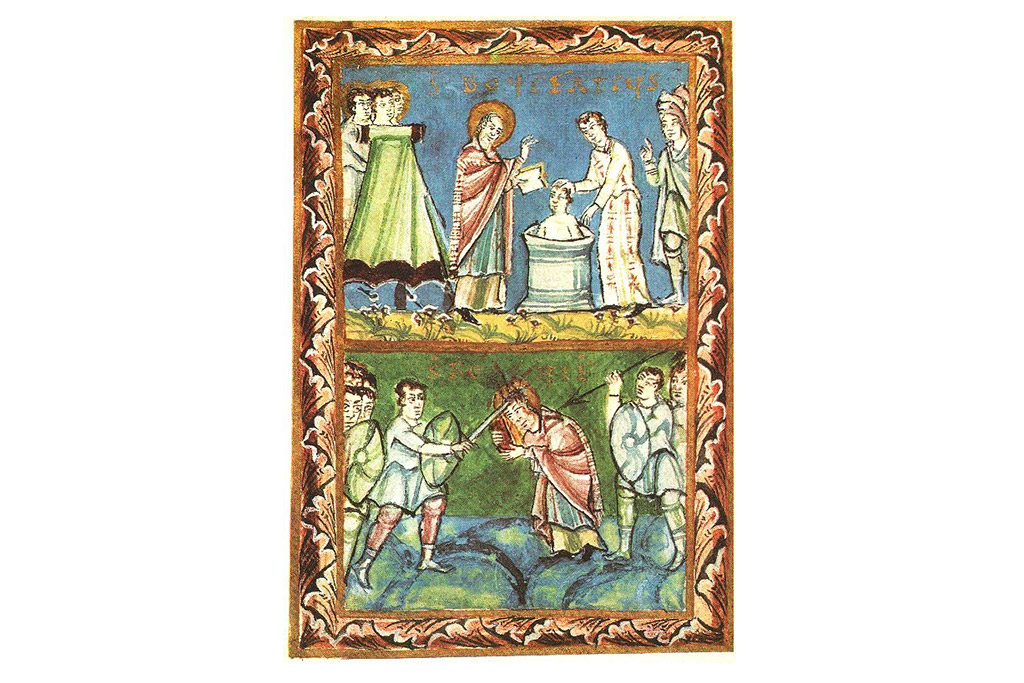
Emma was the daughter of the noble Saxon count Immed IV and Adela of Hamaland. Born in 982 in Saxony [modern day Germany], she married Liudger, son of the Duke of Saxony, Hermann Billung. In 1001, Emperor Otto III granted the couple the royal palace of Stiepel.

April 18: Blessed Savina Petrilli

Dedicated to the service of orphans, needy young women, and the poor—for whom she founded the Congregation of the Sisters of the Poor of Saint Catherine of Siena.

April 17: Saint Robert of Molesme, Abbot

Founder of the Cistercian Order

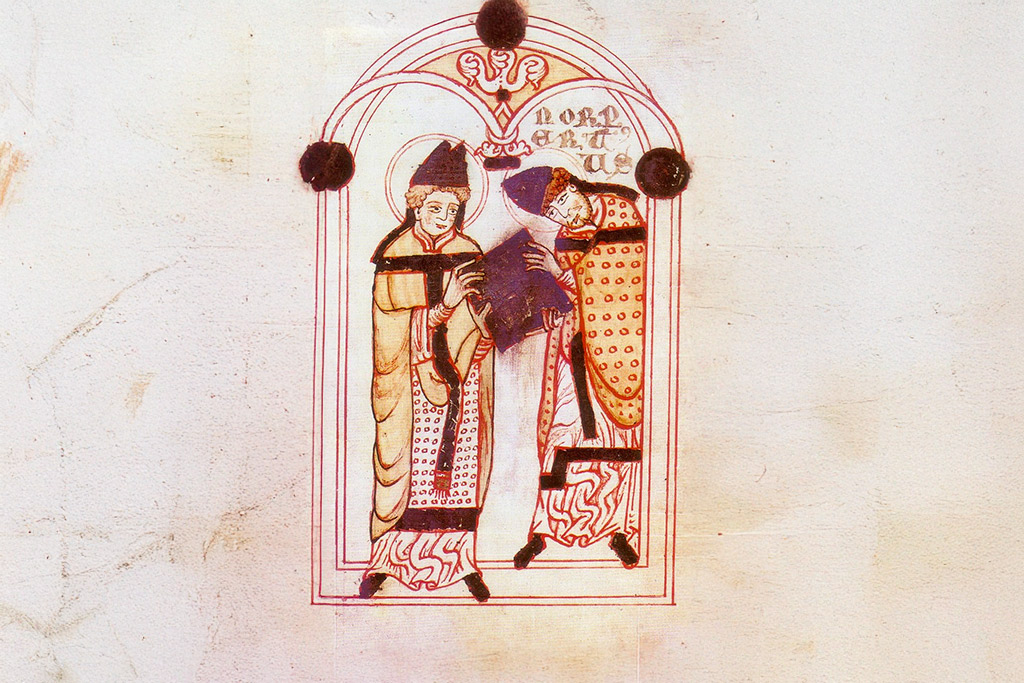
He is counted among the founders of the Cistercian Order. Deeply devoted to the Virgin Mary, he promoted a return to a simple and austere monastic life. This is Saint Robert of Molesme, born in Troyes, in Champagne, in 1028 or 1029, into a noble family. His parents were Thierry and Ermengarde, counts of Tonnerre from the Maligny branch.

April 16: Saint Benedict Joseph Labre

The Beggar and Wanderer of God 

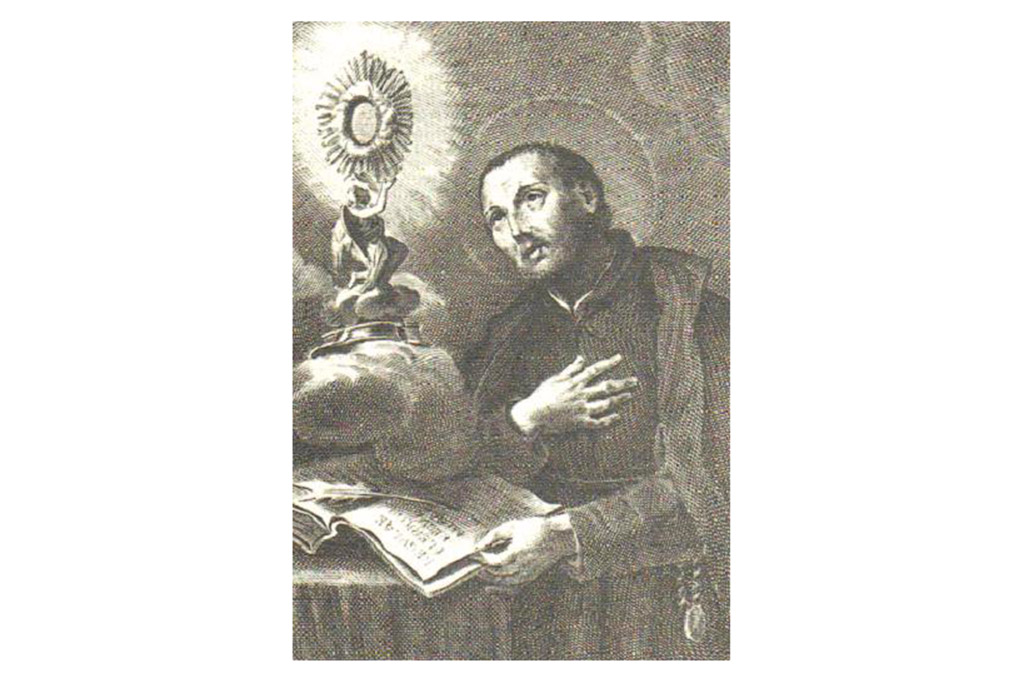
In our era he may have been called a globetrotter because he loved to visit the main Sanctuaries of Europe on foot: from Santiago de Compostela to Loreto, from Rome to Gargano. He is Saint Benedict Joseph Labre, known as the beggar or wanderer of God. In less than fifteen years, it is estimated that he traveled thousands of kilometers until he settled in Rome. At first, he found refuge under an arch of the Colosseum and people brought him alms which he promptly distributed to those he considered poorer than himself. He then found a place near the Basilica of Saints Sylvester and Martin, in Rome’s Monti district.

Select your language