Select your language

Saint of the day

Saint of the day

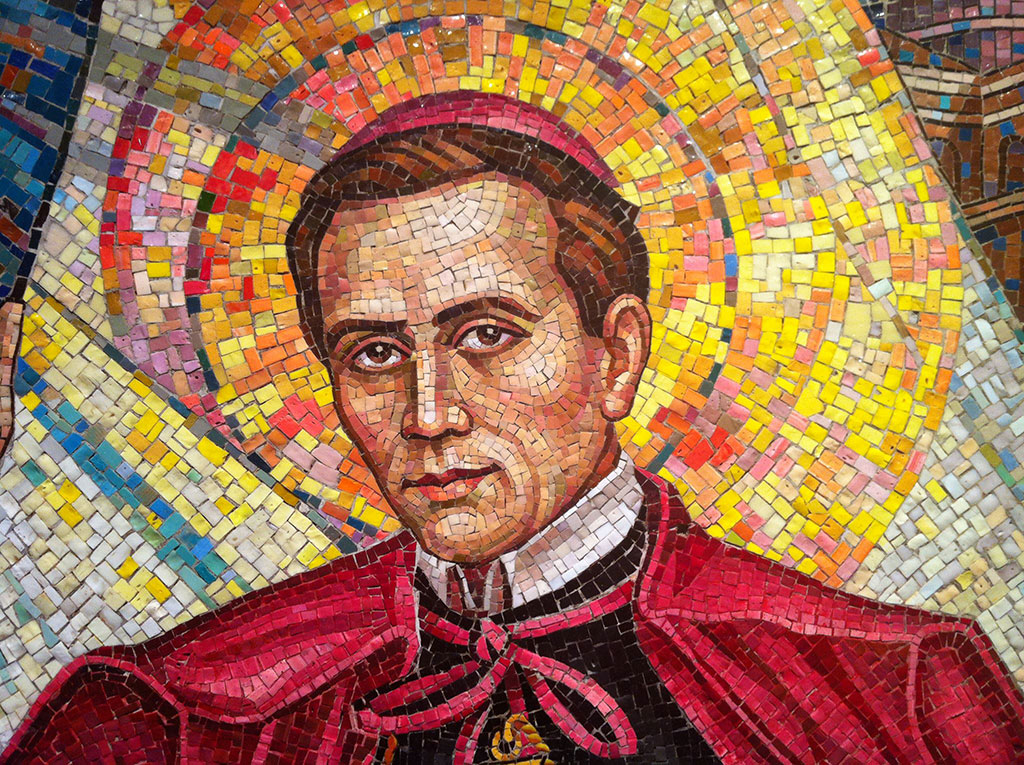
July 5: Saint Anthony Maria Zaccaria

Founder of the Barnabites

“It is truly the mark of great hearts to serve others without expecting anything in return” so often said Saint Anthony Zaccaria.

He was born into a noble family in Cremona, Italy in 1502. Left fatherless at an early age, he was lovingly raised by his mother, who was herself still very young.

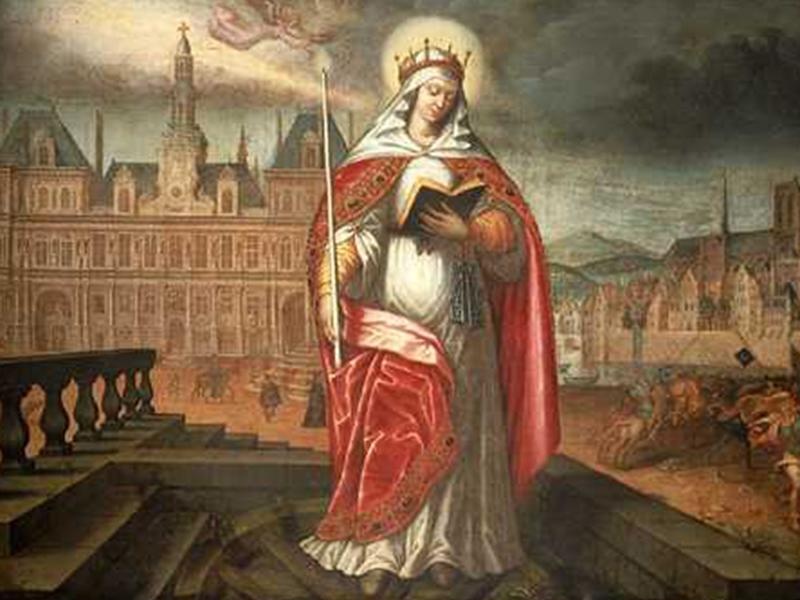
July 4: Saint Elizabeth of Portugal

From the Royal Throne to Franciscan Poverty

Isabella of Aragon, Queen of Portugal, distinguished herself through her dedication to promoting peace among rulers and her generosity toward the poor. After the death of her husband, King Denis, she chose to consecrate her life to God by joining the Third Order of Saint Clare in the convent of Estremoz, which she herself had founded.

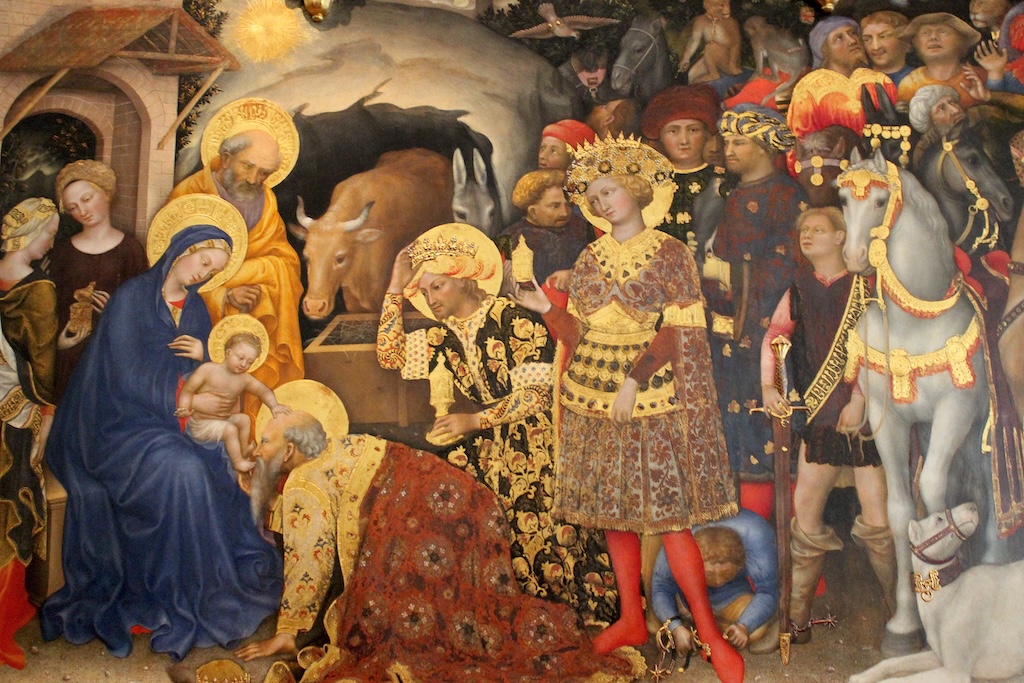
July 3: Saint Thomas the Apostle

“My Lord and my God”

Thomas, also called Didymus (which means “Twin”), was part of the small group of disciples chosen by Jesus from the very beginning of His public ministry. He was one of the Twelve Apostles, as emphasized by the Evangelist John. John also recounts several episodes that help us understand Thomas’s personality.

July 1: Saints Julius and Aaron, Martyrs

True Witnesses of the Gospel

The center of the veneration of Saints Julius and Aaron is Caerleon, a Celtic name meaning “City of the Legions” (Quadrata Legionum). Caerleon, located in southern Wales, was a fortress permanently occupied by the Second Augustan Legion from 75 to 431 AD.
The two were likely martyred during the Diocletian persecution, around the year 304.

June 30: Holy Roman Protomartyrs

Faithful to Christ unto the ultimate sacrifice

The memory of the First Martyrs of the Church of Rome is celebrated immediately after the feast of Saints Peter and Paul. This commemoration has always been connected to the location of the Circus built by Emperor Caligula, later known as Nero’s Circus. It stood in the Gardens of Agrippina (Caligula’s mother), on the southern slope of the Vatican Hill, from where the Via Aurelia, Via Cornelia, and Via Triumphalis began.

June 29: Saints Peter and Paul, Patrons of the Eternal City of Rome

United in martyrdom for the love of Christ

“Basing itself on the tradition of the fathers, knows that they did not actually suffer in the course of the same day between sunrise and sunset. So Paul suffered on Peter's birthday (natalitium), not the day he emerged from his mother's womb to join the ranks of mankind, but the one on which he was released from the bonds of the flesh and born into the light of the angels.

Select your language